
Deciding whether to read The Reason I Jump depends entirely on what you hope to gain from its pages. If you are searching for a clinical guide, a step-by-step behavioral therapy manual, or a universal scientific explanation of autism, this book is not the right fit. However, if you want an intimate, deeply personal glimpse into the sensory world and emotional landscape of a nonverbal autistic teenager, this memoir offers a unique perspective that can transform your empathy and understanding.
To get the most out of this reading experience, you must align your expectations with the book’s actual format and scope. It serves as a powerful conversation starter and a tool for building compassion, but it should never replace professional medical advice or structured educational strategies. By assessing your specific role and goals, you can determine if this celebrated text will truly serve your journey.
Understanding the Unique Perspective and Format
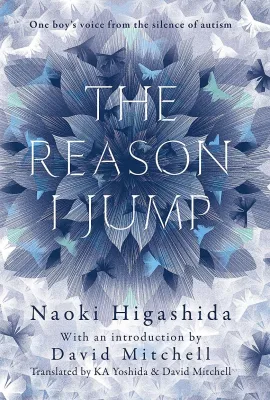
Before purchasing a copy from an online marketplace or a local bookstore, it is essential to understand how The Reason I Jump was created. Written by Naoki Higashida when he was just thirteen years old, the book does not follow a traditional narrative arc. Instead, it is structured as a series of answers to fifty-eight frequently asked questions about autism, ranging from why he makes certain repetitive movements to why he prefers being outdoors in nature.
Products mentioned in this guide






Prices are valid at publication and may change. Please refer to the product page for the latest price.
Higashida, who is nonverbal, composed these responses using an alphabet grid, pointing to characters to spell out his thoughts. This painstaking communication method highlights both his determination and the rich inner life that often goes unnoticed in nonverbal individuals. Reading this book means engaging directly with the voice of a young person finding his way through a world that rarely understands him.
Because of this unique origin, the text is a subjective memoir rather than an academic textbook or a clinical study. It reflects one individual’s lived experience at a specific point in his development, offering a personal testimony of sensory overload and cognitive processing.
Additionally, international readers should keep translation and cultural context in mind. The English edition was translated by novelist David Mitchell and his wife, KA Yoshida, who wanted to understand their own autistic child. While the translation is highly praised for its accessibility and emotional resonance, it is still an interpretation of Higashida’s original Japanese text. Recognizing this layer of translation helps you appreciate the book as a cross-cultural bridge rather than an absolute, unmediated transcript.
Self-Assessment: Is This Book the Right Fit for Your Role?
Different readers approach literature on neurodiversity with distinct needs, questions, and responsibilities. To determine if this book is the right tool for you, it helps to evaluate how its specific strengths align with your daily life, whether you are caring for a family member, managing a classroom, or exploring your own identity.

For Parents and Caregivers Seeking Empathy
If you are a parent or caregiver, you might find yourself reading this book in the quiet hours of the evening, perhaps under the gentle hum of a ceiling fan after a long, humid day of managing sensory meltdowns or communication barriers. The Reason I Jump can provide profound emotional validation, offering a potential window into why your child might struggle with eye contact, repeat certain phrases, or find comfort in repetitive actions.
However, you must approach the text with a clear boundary between empathy and clinical utility. While Higashida’s explanations offer comforting possibilities for what your child might be feeling, his experiences are his own. This memoir cannot replace professional developmental assessments, speech therapy, or individualized behavioral plans. Use it to fuel your patience, but rely on qualified local specialists to design your child’s actual care routines.
For Educators and Support Professionals
For teachers, shadow teachers, and school administrators, this book offers a valuable exercise in professional empathy. In a busy classroom setting, it is easy to misinterpret an autistic student’s behavior as defiance. Higashida’s explanations of sensory distractions can help you view these behaviors through a lens of sensory overload rather than behavioral non-compliance.
At the same time, educators must recognize the limits of a personal memoir. The book does not provide evidence-based pedagogical frameworks, lesson plans, or legal guidelines for special education. It should be treated as a supplemental reading to foster a compassionate classroom culture, not as a professional training manual.
For Autistic Individuals and Curious General Readers
If you are an autistic individual, reading this book can be a double-edged sword. Some neurodivergent readers find Higashida’s descriptions of sensory challenges deeply validating. For others, however, his specific struggles and the heavy focus on the difficulties of autism can feel emotionally overwhelming or unrepresentative of their own lives. It is important to check in with your emotional capacity before diving into his reflections.
For the general reader who has no direct connection to autism, this book serves as an excellent introduction to neurodiversity. If your goal is to move beyond clinical definitions and understand the human element of living on the spectrum, this memoir is highly effective. If you are looking for a sociological study, you may want to pair this book with broader academic texts.
Managing Expectations: What the Book Will and Will Not Do
One of the most common pitfalls when reading The Reason I Jump is treating it as a universal guide to autism. Autism is a highly individualized spectrum, and one person’s experience does not universally represent all autistic individuals. Higashida’s sensory sensitivities, his relationship with language, and his coping mechanisms are unique to him and may not apply to another autistic person you know.
It is crucial to remember that this book is a memoir, not a diagnostic tool or a medical guide. It does not offer a checklist to determine if someone is on the spectrum, nor does it provide medical advice. Relying solely on this book to make decisions about therapy, medication, or lifestyle adjustments can lead to misaligned expectations and ineffective support.
To ensure safety and proper care, always cross-reference the insights you gain from personal narratives with professional guidance. If a concept in the book inspires you to try a new communication method, discuss it with a qualified therapist first. Direct communication with the autistic individuals in your life, tailored to their unique communication styles, remains the most reliable way to understand their needs.
How to Approach Reading and Applying the Insights
To get the most value from The Reason I Jump, treat it as a companion piece rather than a standalone authority. Read it alongside clinical literature, evidence-based guides, and professional advice to build a well-rounded understanding of neurodiversity. This balanced approach ensures you gain both the emotional empathy of a personal story and the practical tools of scientific research.
Consider discussing the book’s themes with others in your community. If you are part of a local support group, a school faculty, or a therapy team, sharing your reflections can spark meaningful conversations about how to improve local support systems. Discussing the text with a professional can also help you contextualize his insights for your specific environment, ensuring you apply them safely.
Finally, establish clear criteria for when to pause your reading. If you find that the emotional weight of the memoir is causing caregiver burnout, or if the author’s experiences conflict with an established, successful professional care plan, it is perfectly acceptable to step away. Protecting your mental well-being and maintaining consistency in professional therapy should always take priority over finishing a book.
Frequently Asked Questions (FAQ)
Is 'The Reason I Jump' suitable for young children to read on their own?
The book is written in simple, direct language, but the emotional themes and abstract concepts regarding sensory processing and isolation require a mature level of comprehension. It is generally better suited for teenagers and adults. If you want to introduce these concepts to younger children, consider reading the book together so you can explain the ideas and answer any questions they may have in a supportive environment.
Does the book offer practical advice for handling severe behavioral challenges?
No, the book does not provide practical, step-by-step clinical strategies or safety protocols for managing severe behavioral crises or self-injurious behaviors. While Higashida explains the sensory and emotional reasons behind his own physical impulses, his reflections are meant to build understanding rather than offer crisis intervention techniques. For managing severe challenges, always consult with certified behavioral therapists.
Are there different editions or formats I should consider before buying?
Yes, The Reason I Jump is available in several formats, including paperback, hardcover, e-book, and audiobook. If you prefer listening, the audiobook can be a powerful way to experience the Q&A format. When purchasing from an online marketplace, verify the publisher, publication year, and translator (such as the translation by David Mitchell and KA Yoshida) to ensure you are getting the complete, authorized edition that matches your reading preferences.

Community discussion
Share your experience or ask a question. Comments are reviewed before publication.