
Separating Social Media Hype from True Collectible Value
The “raise a wolf not a sheep book” has captured significant attention across social media platforms, transforming from a viral reading recommendation into a highly discussed title among modern book collectors. For anyone building a library of rare or special editions, the immediate question is whether this trending status translates into genuine, long-term collectible value. While a sudden surge in online visibility can drive initial demand, true bibliophilic collectibility is governed by classic market principles rather than temporary digital algorithms.
A book does not become a valuable collectible simply because it populates lifestyle feeds or aesthetic book shelves. True collectibility relies on structural scarcity, material craftsmanship, historical or literary significance, and sustained secondary market demand. When a title goes viral, publishers often capitalize on the momentum by releasing eye-catching editions, but these do not automatically carry long-term value if they lack the physical and structural hallmarks of a genuine limited release.
Understanding this distinction is vital for collectors, especially when premium prices are involved. High initial demand driven by influencer marketing can create an artificial bubble where buyers pay inflated retail or secondary prices out of fear of missing out (FOMO). Once the online conversation shifts to the next trending title, these mass-produced “special” editions frequently lose their premium, leaving buyers with books that are difficult to liquidate. This guide will help you evaluate the specific physical features, market realities, and local logistical factors to determine if this edition is a worthy addition to your collection.
Products mentioned in this guide
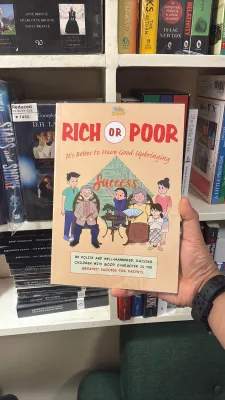
Prices are valid at publication and may change. Please refer to the product page for the latest price.
Core Criteria to Evaluate This Limited Edition
Before investing your hard-earned money into a premium edition of the “raise a wolf not a sheep book,” you must look past the cover design and evaluate its structural and physical merits. A systematic evaluation helps you distinguish a high-quality collector’s item from a standard book wrapped in a decorative dust jacket.

Verifying Print Run and Authenticity
The primary driver of long-term value in book collecting is absolute scarcity. To verify this, you must first inspect the book’s colophon—the page containing the publication details, copyright information, and printing history. A true limited edition will explicitly state the total number of copies produced (for example, “This edition is limited to 500 copies”) and will often feature a unique handwritten or stamped number, such as copy 142 of 500.
It is critical to differentiate between a strictly capped limited edition and an open-ended “special edition.” Many modern publishers release special editions that are only limited by a pre-order time window rather than a fixed print run. Because there is no cap on production, thousands of copies can be printed to meet demand, which significantly dilutes their rarity and secondary market value over time.
Additionally, always cross-reference the book’s ISBN (International Standard Book Number) and specific edition statements with the publisher’s official catalog or database. When a book trends globally, unauthorized third-party reprints and bootleg copies frequently appear on online marketplaces. Verifying the ISBN ensures you are purchasing a legitimate, authorized product rather than a high-quality counterfeit that holds zero collectible value.
Assessing Physical and Material Enhancements
A premium price tag must be justified by superior craftsmanship and durable materials. Start by examining the binding method of the book. True collector’s editions feature Smyth-sewn bindings, where groups of pages (signatures) are folded and sewn together with strong thread before being bound to the spine. This method ensures the book can open flat without cracking the spine and will endure for decades, unlike cheap perfect-bound books that rely solely on glue to hold pages together.
The paper quality is another critical factor to assess. Collectible books should utilize heavy, acid-free, archival-grade paper that resists yellowing, embrittlement, and degradation over time. Standard trade editions often use wood-pulp paper that deteriorates rapidly, especially when exposed to environmental fluctuations.
Beyond the core structure, evaluate the exclusive aesthetic enhancements that add tangible value. Look for premium cover materials such as genuine leather, high-grade book cloth, or intricate foil stamping, rather than basic paper boards. Exclusive inserts—such as an authentic author signature, original artwork plates, custom-designed slipcases, or stenciled, sprayed, or gilded page edges—greatly enhance the book’s appeal. However, always ensure these visual upgrades are built upon a durable, high-quality foundation, as cosmetic elements on a poorly bound book will not preserve its value.
Market Demand and Resale Liquidity in the Philippines
Evaluating the collectible value of the “raise a wolf not a sheep book” also requires a realistic look at market demand and resale liquidity, particularly within the local context of the Philippines. Collecting books in a specific regional market introduces unique logistical and financial dynamics that differ significantly from global trends.
To gauge true resale liquidity, you must research actual transaction data rather than active asking prices. Sellers on e-commerce platforms and social media groups often list books at highly inflated, speculative prices, but these listings do not reflect what buyers are actually willing to pay. Instead, search for completed or sold listings on reputable international book-collecting forums, specialized auction groups, or local collector communities to see the prices at which transactions were successfully finalized.
For collectors in the Philippines, local availability and shipping logistics play a massive role in the overall cost of acquisition. Importing limited editions from overseas publishers often incurs high international shipping fees, local customs duties, and potential handling charges. If you pay ₱5,000 for a book where ₱2,500 of that cost is purely shipping, your initial investment is highly inflated. If you decide to sell the book locally later, the local market may only value the book based on its intrinsic worth, meaning you may struggle to recoup the high shipping overhead unless there is intense local demand.
Furthermore, consider the size and stability of the local book-collecting community in the Philippines. While global trends can create temporary spikes in local interest, a sustainable secondary market relies on a dedicated group of collectors who value the specific genre or author. If the “raise a wolf not a sheep book” is a niche title with limited local appeal, finding a buyer in the future may prove difficult, forcing you to hold the book long-term or sell it at a steep discount. Remember that genuine book collecting is rarely a short-term financial venture; it is a long-term hobby where appreciation, if it occurs, happens gradually over years.
Red Flags When Buying Trend-Driven Collectibles
Navigating the world of trending book releases requires a cautious approach to avoid common pitfalls, artificial scarcity, and outright scams. When a title gains sudden popularity, several market behaviors can emerge that put collectors at risk.
One major red flag is the proliferation of artificial scarcity created by publishers. Be wary of publishers who repeatedly release multiple “limited” variants of the same book within a short period—such as Variant A with blue sprayed edges, Variant B with gold foil, and Variant C with alternative cover art. This practice, often referred to as “variant fatigue,” is designed to exploit collector FOMO and rarely results in long-term value, as the market becomes oversaturated with multiple “exclusive” versions of the exact same text.
Another critical risk is purchasing from unauthorized sellers on local online marketplaces. When demand outstrips supply, unauthorized sellers often list counterfeit copies, standard trade editions falsely labeled as “rare limited editions,” or digital scans printed on low-quality paper with glued bindings. Before making a purchase, always request clear, high-resolution photos of the colophon, the binding, and any certificates of authenticity, and buy from established, reputable book dealers whenever possible.
The physical condition of a modern collectible is paramount. Even minor defects can dramatically reduce a book’s value on the secondary market. A bumped corner, a small tear in the dust jacket, a sunned spine from UV exposure, or minor scuffing can cut a book’s collectible value by half. When buying online, ensure the seller packages the book securely in a sturdy box with ample bubble wrap, as standard bubble mailers rarely protect heavy books from damage during transit.
Finally, collectors in the Philippines must contend with the challenges of a tropical, humid climate. High relative humidity (frequently exceeding 70-80%) and elevated temperatures create an ideal environment for mold, mildew, and foxing—the brown, rusty spots that appear on paper as it degrades. If you do not have a dedicated, climate-controlled space to store your books, the materials can deteriorate rapidly, completely erasing any collectible value the book originally possessed.
Final Verdict: Buy, Wait, or Skip?
Deciding whether to add the “raise a wolf not a sheep book” to your limited edition collection depends on a careful balance of verified product attributes and your personal collecting goals. Use this conditional decision matrix to guide your choice.
Conditions to Buy
- Verifiable Scarcity: The edition has a verifiably low, strictly capped, and individually numbered print run (ideally under 1,000 copies).
- Archival Quality: The physical construction is of archival quality, featuring a Smyth-sewn binding, acid-free paper, and premium cover materials.
- Reasonable Cost: The total acquisition cost, including shipping and taxes to the Philippines, fits comfortably within your disposable hobby budget.
- Personal Connection: You have a deep personal or thematic appreciation for the book's content, ensuring that you will value the book on your shelf even if its market price fluctuates or declines.
Conditions to Wait
- Market Inflation: The current secondary market price is heavily inflated by social media hype and speculative resellers.
- Unstable Secondary Market: The book has been released very recently, and the secondary market has not yet stabilized to show its true, long-term value.
- Reprint History: The publisher has a history of reprinting supposedly "limited" editions or releasing identical variants, which could dilute the value of the current release.
Conditions to Skip
- Lack of Scarcity: The book is an open-ended "special edition" with no fixed print-run cap, meaning it can be reprinted indefinitely to meet demand.
- Poor Construction: The physical quality is poor, utilizing cheap perfect (glued) binding, standard wood-pulp paper, or superficial aesthetic upgrades that will not stand the test of time.
- Speculative Motives: Your primary motivation is short-term financial flipping; modern trend-driven books are highly volatile and rarely yield reliable short-term profits once the initial hype fades.
Frequently Asked Questions (FAQ)
How do I verify if a limited edition book is authentic?
To verify authenticity, inspect the copyright or colophon page for specific edition statements, printing numbers, and the official ISBN. Cross-reference the ISBN with the publisher’s official database. Look for publisher-issued certificates of authenticity, unique holographic seals, or matching hand-numbered plates on the book or its slipcase.
Does a signed copy always increase a book's collectible value?
A genuine author signature generally increases a book’s value, but the premium depends on the author’s long-term legacy and the scarcity of signed copies. Flat-signed copies, where the author signs directly on the page, are typically more valuable than tipped-in pages or bookplates. Always verify the signature’s provenance or buy from authorized publisher events.
How should I store limited edition books in a humid climate?
Store books upright on sturdy shelves in a cool, dry room away from direct sunlight, which causes spine fading. In humid climates like the Philippines, use enclosed glass bookcases equipped with rechargeable silica gel dehumidifiers or run a room dehumidifier to keep relative humidity below 55%, preventing mold, warping, and foxing.
Community discussion
Share your experience or ask a question. Comments are reviewed before publication.