
Deciding whether a self-help book is worth your time requires looking past the marketing buzz and evaluating how its core concepts apply to your daily life. For Filipino readers navigating a rapidly changing economic landscape, high-pressure careers, and deeply rooted family expectations, Joseph Murphy’s classic The Power of Your Subconscious Mind offers a fascinating framework for personal development. The book argues that by changing your deeply held beliefs, you can fundamentally alter your external reality. This promise carries a unique appeal in the Philippines, where the intersection of faith, daily resilience, and strategic resourcefulness defines how people overcome adversity.
Understanding whether this book deserves a spot on your bookshelf involves analyzing its core psychological and metaphysical premises, its alignment with local cultural values, and its practical limitations. While the book was written in the mid-20th century, its teachings on mental programming continue to influence modern self-help literature. By examining how these principles translate to the modern Filipino experience—from managing workplace stress in bustling metropolitan hubs to reshaping long-held beliefs about financial scarcity—you can make an informed choice about whether this classic guide aligns with your personal growth goals.
Core Principles: What the Book Actually Teaches
At the heart of Joseph Murphy’s philosophy is the division of the human mind into two distinct but deeply interconnected parts: the conscious mind and the subconscious mind. The conscious mind acts as the gatekeeper, processing objective reality, making logical decisions, and filtering the information we encounter daily. In contrast, the subconscious mind is subjective, operating beneath our active awareness to control involuntary bodily functions, store memories, and process emotional responses. Murphy uses the classic metaphor of a garden to illustrate this relationship: the conscious mind is the gardener sowing seeds, while the subconscious mind is the fertile soil that nurtures whatever is planted, whether those thoughts are constructive or destructive.
Products mentioned in this guide
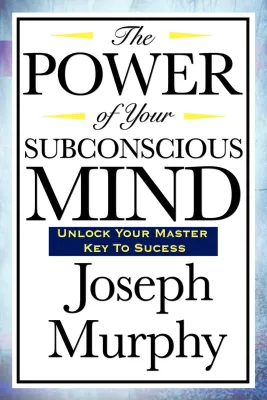
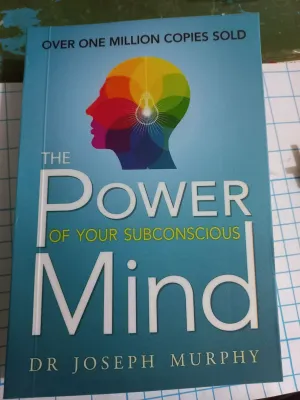
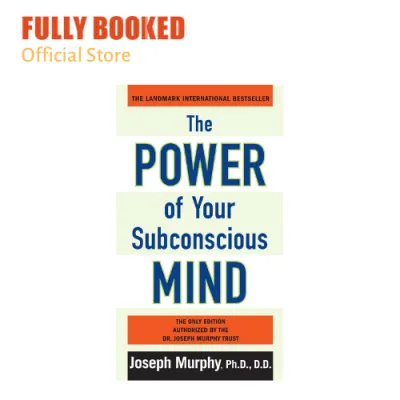

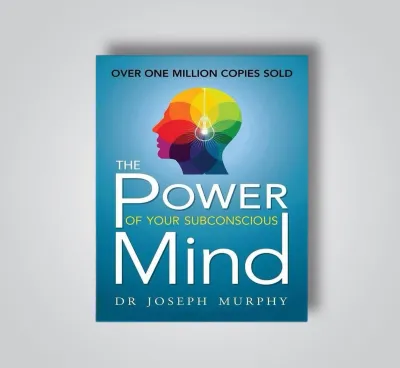
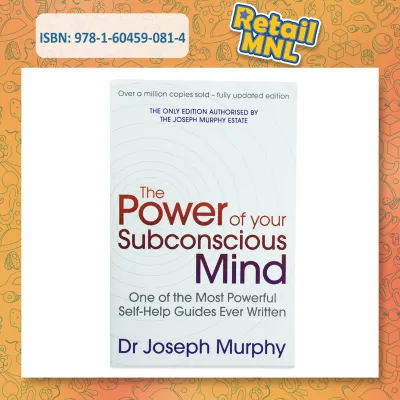
Prices are valid at publication and may change. Please refer to the product page for the latest price.
To influence this powerful inner mind, the book advocates for several key techniques designed to bypass the critical analytical filter of the conscious state. The primary method is autosuggestion, which involves deliberately feeding positive, constructive statements to the subconscious mind to replace deeply ingrained negative beliefs. Visualization is another cornerstone technique, requiring readers to construct vivid mental images of their desired outcomes as if they have already been achieved. Additionally, Murphy places a strong emphasis on using affirmations immediately before sleep, a state when the conscious mind naturally relaxes, allowing the subconscious to be highly receptive to new suggestions.
To evaluate the book fairly, readers must understand its historical context. Originally published in 1963, The Power of Your Subconscious Mind belongs to the New Thought movement, a metaphysical philosophy that gained immense popularity in the mid-20th century. Because of this era, the writing style can feel dated, featuring formal language and highly optimistic, anecdotal case studies rather than clinical data. Recognizing this context helps set realistic expectations; the book functions primarily as an inspirational and philosophical guide rather than a modern, peer-reviewed psychological manual.
Cultural Resonance: Why It Connects with the Filipino Mindset
The enduring popularity of Murphy’s work in the Philippines is deeply connected to how its core concepts align with fundamental Filipino cultural values. The book’s emphasis on faith, unwavering belief, and maintaining a positive mental attitude mirrors the profound spiritual foundation and natural optimism that characterize Filipino society. In times of crisis, whether navigating natural disasters or economic challenges, the cultural concept of pag-asa (hope) and pananalig (faith) serves as a vital coping mechanism. Murphy’s assertion that an unseen, higher power within the mind can bring about positive change resonates naturally with a culture that routinely relies on faith to navigate life’s uncertainties.

Furthermore, the book’s focus on reprogramming the mind to achieve success provides a psychological foundation for diskarte—the highly valued Filipino trait of resourcefulness, adaptability, and street-smart strategic thinking. While diskarte is often applied as a survival mechanism to get through daily hardships, Murphy’s teachings encourage readers to shift this resourcefulness from a state of mere survival to one of proactive goal manifestation. By transforming the subconscious belief system, a reader can transition from a passive acceptance of difficult circumstances to an active, strategic pursuit of new opportunities, utilizing their innate resourcefulness with greater confidence.
Family dynamics in the Philippines also provide a fertile ground for these teachings. Many local households operate within tight-knit, extended family structures where financial stress, expectations, and behavioral patterns are passed down through generations. The book’s focus on identifying and breaking limiting subconscious beliefs offers a practical path for individuals looking to break these generational cycles. Whether it is overcoming a shared family anxiety regarding financial insecurity or establishing healthier emotional boundaries in relationships, the practices outlined by Murphy can assist readers in fostering a more supportive, abundance-oriented environment for their loved ones.
Practical Applications for Career, Wealth, and Relationships
Applying the book’s principles to the competitive professional landscape of the Philippines can yield highly practical benefits, particularly for those working in high-stress sectors like business process outsourcing (BPO), corporate finance, or creative industries. Many young professionals grapple with imposter syndrome or the intense pressure of urban workplace environments. By practicing targeted visualization and autosuggestion, employees can train their minds to remain calm under pressure, project confidence during critical presentations, and overcome the fear of failure. This mental preparation helps individuals present themselves more assertively, opening doors to promotions and leadership roles in a crowded job market.
When it comes to financial habits, many individuals struggle with a scarcity mindset, often encapsulated by the local phrase isang kahig, isang tuka (a hand-to-mouth existence). While structural economic factors are very real, a subconscious belief that one is destined to remain financially strained can prevent people from seeking out financial education, investing, or pursuing entrepreneurial ventures. Murphy’s teachings encourage a shift toward an abundance mindset, prompting readers to view wealth not as a limited resource but as an achievable state of security. This psychological shift can motivate individuals to proactively develop healthier wealth-building habits, seek out upskilling opportunities, and make more calculated financial decisions.
In the realm of health and personal relationships, the book explores how our mental state directly influences our physical well-being and interpersonal connections. In close-knit communities where social harmony is highly prized, unresolved conflicts can lead to prolonged emotional stress and psychosomatic symptoms. Murphy emphasizes the power of forgiveness and mental rehearsal to heal emotional wounds and resolve interpersonal friction. By mentally wishing others well and visualizing peaceful resolutions, readers can reduce daily anxiety and foster healthier, more cooperative relationships with colleagues, friends, and family members.
To integrate these practices into a demanding daily routine, readers do not need to dedicate hours of uninterrupted silence. A simple, realistic framework involves utilizing the natural transition states of the day, such as the morning commute or the minutes just before falling asleep. Spending ten minutes in the morning visualizing a successful workday, or repeating specific, quiet affirmations before bed while the body is fully relaxed, allows these techniques to fit seamlessly into a busy lifestyle without adding to daily stress.
Limitations: What the Book Cannot Do
While The Power of Your Subconscious Mind offers valuable motivational tools, maintaining an objective perspective requires recognizing its clear boundaries. First and foremost, the book is a philosophical and self-help guide, not a medical or psychiatric resource. It must never be used as a substitute for professional mental health care, clinical therapy, or prescribed medical treatments. For conditions such as clinical depression, severe anxiety disorders, or other psychological challenges, readers must consult qualified healthcare professionals rather than relying solely on subconscious affirmations or positive thinking.
Additionally, readers must be wary of the “action gap” that can sometimes arise from a superficial reading of New Thought literature. Reprogramming the subconscious mind is an excellent tool for building confidence and reducing anxiety, but mental exercises alone cannot replace tangible, real-world action. Visualizing career success or financial abundance will not yield results without practical steps such as budgeting, continuous upskilling, networking, and executing strategic plans. The power of the mind should serve as the fuel for your efforts, but those efforts must still be physically carried out in the real world.
Finally, the anecdotal case studies presented by Murphy must be approached with a healthy degree of critical thinking. Many of the examples featured in the book are highly simplified accounts from the mid-20th century, often attributing sudden, dramatic physical healings or financial windfalls entirely to mental shifts. Modern readers should view these stories as illustrative metaphors rather than literal, scientific guarantees. By extracting the underlying psychological principles—such as the power of belief to reduce stress and improve focus—and combining them with modern, evidence-based personal development strategies, readers can enjoy the benefits of the book without falling prey to unrealistic expectations.
Buyer’s Guide: Choosing the Right Format and Edition
When deciding to purchase The Power of Your Subconscious Mind, navigating the variety of available editions is crucial to ensuring a complete and satisfying reading experience. Since the original text was published in 1963, the book has entered the public domain in several jurisdictions, leading to a wide array of editions, modern revisions, and abridged versions. Before making a purchase, it is vital to verify the edition, language, medium or file format, regional restrictions, device compatibility, content completeness, and authorized source. Never infer the exact contents of an edition simply from its title or cover art, as publishers often release variations with different prefaces, modern edits, or simplified summaries. For those seeking the author’s original, unaltered philosophy, purchasing an unabridged edition is highly recommended.
The choice of media format should align with your specific lifestyle, learning preferences, and reading habits. Physical copies, such as paperbacks or hardcovers, are excellent for readers who prefer to actively engage with the text by highlighting passages, writing reflections in the margins, and easily flipping back to reference specific affirmations. Physical books also make thoughtful gifts for family members or friends embarking on a personal growth journey. On the other hand, e-books offer unmatched portability for those who want to read during long daily commutes on the MRT or LRT, allowing you to adjust font sizes and carry an entire library on a single digital device. If choosing an e-book, always verify that the file format is fully compatible with your specific e-reader model or reading application to avoid formatting errors.
For busy individuals who struggle to find dedicated reading time, the audiobook format is an exceptional alternative. Listening to the book during heavy traffic, household chores, or workouts can turn otherwise unproductive hours into valuable self-improvement sessions. Before purchasing an audiobook, it is wise to listen to a sample to verify the narrator’s pacing, tone, and clarity, ensuring it fits your listening preferences. Additionally, check for any regional restrictions or platform compatibility requirements that might affect your ability to download or stream the audio file in the Philippines.
To ensure you receive a high-quality copy, pay close attention to the purchasing channels you use. When shopping on major online marketplaces or visiting local brick-and-mortar bookstores, verify that the seller is an authorized distributor. The market is often flooded with unauthorized, pirated reprints that suffer from poor print quality, smudged ink, thin paper, and even missing chapters or pages. Investing in an official copy from a reputable bookstore guarantees a durable product and supports the publishing ecosystem. Lastly, while the primary text is written in English, readers who prefer local languages should check for officially licensed translations, making sure to verify that the translator has accurately preserved the core psychological and metaphysical terminology of the original work.
Frequently Asked Questions (FAQ)
How long does it take to see results from the subconscious mind techniques?
Joseph Murphy suggests that consistency is the key to reprogramming the subconscious, often pointing to a period of 21 to 30 days of daily practice to begin establishing new mental habits. However, there is no universal timeline for experiencing tangible results. The duration depends heavily on the depth of your existing limiting beliefs, the emotional intensity behind your affirmations, and how consistently you practice the techniques. Some readers may notice a shift in their mood and anxiety levels within a few days, while shifting long-held beliefs about wealth or self-worth can require months of dedicated, daily mental alignment.
Is the book suitable for readers who prefer science-backed psychology?
If your personal development preference leans strictly toward modern, peer-reviewed cognitive behavioral therapy (CBT) or neuroscience, this book may not fully align with your expectations. The Power of Your Subconscious Mind is rooted in mid-century New Thought philosophy, relying heavily on metaphysical concepts, spiritual anecdotes, and subjective experiences rather than clinical trials or modern brain-imaging data. However, analytically minded readers can still find value in the book by treating it as a powerful motivational tool and a historical precursor to modern concepts of neuroplasticity and cognitive reframing.
Should I buy the physical book or the audiobook version?
The ideal format depends entirely on how you plan to interact with the material. If you want to use the book as an active study guide—highlighting key sentences, writing down personalized affirmations, and revisiting specific chapters during morning study sessions—the physical book or a high-quality e-book is the superior choice. If you have a busy schedule with limited stationary reading time, the audiobook allows you to absorb the core concepts passively while commuting, cooking, or exercising. Many readers find that combining both formats—listening on the go and using a physical copy for deep reflection—provides the most comprehensive learning experience.
Community discussion
Share your experience or ask a question. Comments are reviewed before publication.