
Quick Answer: Should You Read It?
If you are looking to build long-term wealth, this classic personal finance book is highly worth your time, but it requires a thoughtful local translation. The core premise of the book is that true wealth is rarely flashy; instead, it is built through consistent frugality, disciplined saving, and smart investing rather than high consumption or status symbols.
For readers in the Philippines, this message is incredibly valuable because it directly challenges the social pressures of lifestyle inflation and conspicuous spending. However, you cannot apply the book’s specific dollar benchmarks or US-centric investment vehicles directly to your financial plan.
If you read this book as a guide for shifting your financial mindset rather than a literal step-by-step manual, it will serve as an excellent foundation for your wealth-building journey. It is best paired with local resources that address the specific financial systems and cultural realities of the local market.
Products mentioned in this guide
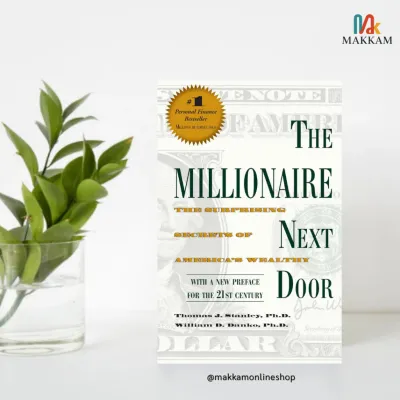



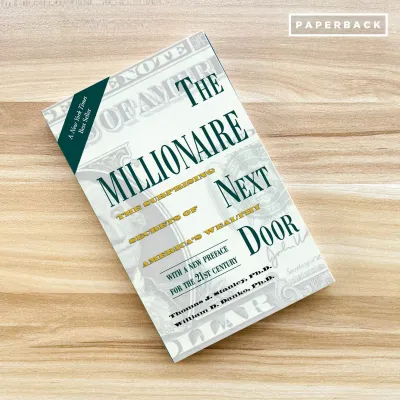



Prices are valid at publication and may change. Please refer to the product page for the latest price.
Core Wealth Principles and Their Local Relevance
The book’s foundational concept centers on the stark difference between looking rich and actually being wealthy. In a modern consumer-driven culture where social media feeds are filled with luxury travel, designer goods, and brand-new vehicles, this distinction is more critical than ever. The authors argue that many people with high incomes actually have very low net worth because they spend almost everything they earn to maintain an affluent appearance.

Practicing frugality and living below your means is the cornerstone of the book’s philosophy. In local urban centers where massive shopping malls serve as the default weekend hangout and online shopping festivals occur multiple times a month, resisting the urge to spend is a constant battle. Adopting the book’s defensive financial mindset helps you view saving not as deprivation, but as the active accumulation of personal freedom and security.
Another major pillar of the book is the rejection of get-rich-quick schemes in favor of slow, disciplined, long-term investing. The local financial landscape is frequently disrupted by speculative trends, high-yield investment scams, and pressure to make quick profits. By contrast, the book champions the quiet, boring, and consistent accumulation of assets, reminding readers that real wealth-builders focus on steady growth over decades rather than overnight success.
Finally, the book introduces the concepts of Prodigious Accumulators of Wealth (PAWs) and Under Accumulators of Wealth (UAWs). PAWs are excellent at transforming their income into net worth, while UAWs struggle to retain what they earn. This framework is highly relevant for local high-earning professionals, such as those in the thriving business process outsourcing (BPO) sector, corporate management, or tech industries, who often find themselves living paycheck to paycheck despite earning significantly above the national average.
Adapting the Advice to Philippine Financial Realities
While the behavioral principles in the book are universal, the statistical benchmarks and financial environments are highly specific to the United States. To make the book truly useful, you must actively translate its concepts to fit local economic realities.
First, you must recalibrate the book’s income and net worth benchmarks. The book frequently references millionaires in US dollars, which is a massive sum when converted. Instead of focusing on the absolute dollar figures, focus on the relative formulas, such as calculating your expected net worth based on your age and current annual income. Keep in mind that local salary scales, cost of living, and inflation rates differ significantly, so your personal benchmarks should reflect your local career trajectory and financial goals rather than historical American data.
Second, the investment vehicles discussed in the book—such as 401(k) plans, Individual Retirement Accounts (IRAs), and specific US tax-exempt bonds—do not exist in the local market. You must map these concepts to locally available options. For instance, you can build a disciplined investment portfolio by exploring the Pag-IBIG MP2 savings program, the Personal Equity and Retirement Account (PERA), local Unit Investment Trust Funds (UITFs), mutual funds, or low-cost index funds that track the Philippine Stock Exchange. Always verify the registration, fees, and terms of these options with official regulatory bodies like the Securities and Exchange Commission (SEC) or the Bangko Sentral ng Pilipinas (BSP) before committing your funds.
Third, the book assumes an individualistic family structure where financial independence is the default expectation. In the local context, family dynamics are deeply collectivist. Many aspiring wealth-builders face significant financial expectations, such as supporting aging parents, funding the education of younger siblings, or contributing to extended family emergencies. This cultural reality can make strict frugality more challenging. To adapt the book’s advice, you must learn to balance personal wealth-building with family obligations, perhaps by treating family financial support as a structured, budgeted expense rather than an open-ended drain on your savings.
Who Should Read It (and Who Should Skip It)
This book is not a one-size-fits-all solution, and its value depends heavily on your current financial stage and learning needs. Understanding who will benefit most can help you decide whether to purchase a copy.
You should read this book if you are:
- An early-career professional who is starting to earn a steady income and wants to establish healthy financial habits before lifestyle inflation sets in.
- A chronic overspender who struggles with the social pressure to buy expensive items, dine out constantly, or upgrade gadgets to keep up with peers.
- Anyone who wants to build a strong psychological foundation for personal finance and understand the behavioral traits of self-made wealthy individuals.
You should skip this book (or look for other resources first) if you are:
- Currently dealing with high-interest consumer debt and need immediate, step-by-step debt relief strategies or budgeting templates.
- An experienced investor looking for highly technical trading guides, stock-picking formulas, or advanced corporate tax-sheltering strategies.
- Seeking a practical, step-by-step guide on how to start a local business, negotiate real estate deals, or navigate local tax laws.
Ultimately, the book is a study of wealth behaviors rather than a tactical financial manual. If you manage your expectations and read it for its psychological insights, it can be a transformative addition to your library.
Buying Guide: Formats, Editions, and Where to Shop
If you decide to purchase the book, choosing the right format and verifying the authenticity of your copy will ensure a better reading experience and protect your investment.
When comparing formats, consider your lifestyle and reading environment:
- Physical Paperbacks or Hardcovers: These are excellent for active reading, allowing you to easily highlight key passages and write notes in the margins. However, because of the high humidity in tropical climates, physical books are susceptible to yellowing, foxing, or mold. If you choose a physical copy, store it in a well-ventilated area or a sealed container with silica gel packets to preserve the pages.
- E-books: This format is highly portable, immune to humidity, and perfect for reading during long commutes in heavy traffic. It also allows you to adjust font sizes and search for specific terms instantly.
- Audiobooks: Ideal for busy individuals, audiobooks let you absorb the material while commuting, exercising, or doing household chores.
When shopping for physical copies, it is crucial to verify the authenticity of the book. Online marketplaces and ecommerce platforms often host third-party sellers offering counterfeit or pirated prints. These bootleg copies frequently suffer from missing pages, blurry text, poor binding, and low-quality paper. To ensure you receive a genuine edition, purchase from reputable local bookstores, official brand stores, or established international book retailers.
Before finalizing your purchase, compare prices in ₱ across different platforms. Be cautious of prices that seem unusually low, as this is a common indicator of a pirated copy. Check customer reviews for photos of the actual book, paying close attention to comments about print quality and binding durability. Additionally, look for updated anniversary editions or prints with modern forewords, as these often provide helpful context that bridges the gap between the book’s original publication date and today’s financial landscape.
Frequently Asked Questions (FAQ)
Is the data in the book still relevant today?
Yes, the core behavioral principles remain entirely relevant, even though the specific statistical data is dated. The book was originally compiled using research from the late 20th century, meaning the specific dollar amounts, car models, and industry examples reflect that era. However, the underlying habits of self-made wealthy individuals—such as living below your means, prioritizing financial independence over social status, and investing consistently—are timeless. When reading, focus on these behavioral patterns rather than the exact historical net worth figures.
Are there local alternatives to this book?
While there are several excellent personal finance books written by local authors, they are best used as companions to this book rather than direct replacements. When evaluating local personal finance resources, verify the author’s credentials, professional background, and whether their advice aligns with current local tax laws and financial regulations. Use ‘The Millionaire Next Door’ to build your psychological foundation and wealth mindset, and then pair it with reputable local books or guides to execute specific investment strategies, tax planning, and budgeting within the local financial system.
Community discussion
Share your experience or ask a question. Comments are reviewed before publication.