
The Short Answer: Should You Read It?
If you constantly find yourself exhausted by the actions, opinions, and choices of the people around you, The Let Them Theory is highly worth your time. The book centers on a simple yet liberating premise: letting go of the urge to control others so you can reclaim your own mental peace and emotional energy. It is an ideal read if you are looking for an accessible, conversational guide to setting boundaries without feeling guilty. However, if you are searching for highly technical psychological research or deep trauma therapy, this book might feel overly simplistic or repetitive. For most readers seeking immediate, practical relief from daily interpersonal stress, it offers a refreshing and actionable framework.
Core Concepts: What the Book Actually Teaches
At its core, the book teaches a profound psychological shift: moving away from the exhausting task of managing other people’s behaviors and focusing instead on your own reactions. Many of us waste immense emotional energy wishing people would act differently, whether it is a partner who refuses to change, a colleague who misses deadlines, or a family member who constantly offers unsolicited advice. By practicing the “let them” mindset, you acknowledge that you cannot force others to align with your expectations, which immediately diffuses unnecessary conflict.

This philosophy is particularly relevant when navigating complex relationship dynamics, family expectations, and workplace friction. In close-knit social environments, personal boundaries can easily become blurred, leading to resentment and burnout. The book provides a practical roadmap for stepping back from these power struggles, allowing you to preserve your energy for things you can actually influence.
Products mentioned in this guide
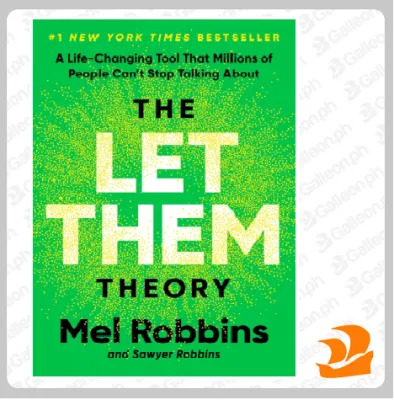
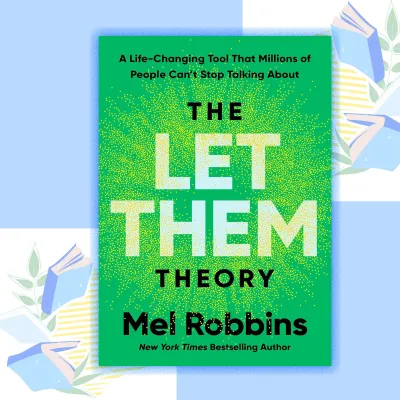
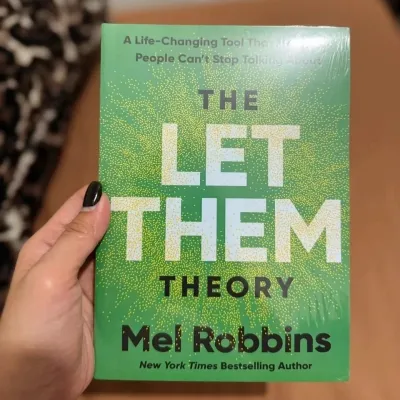
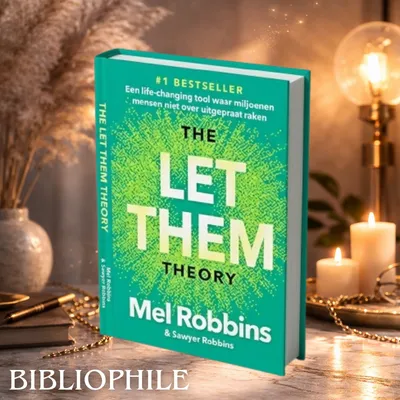
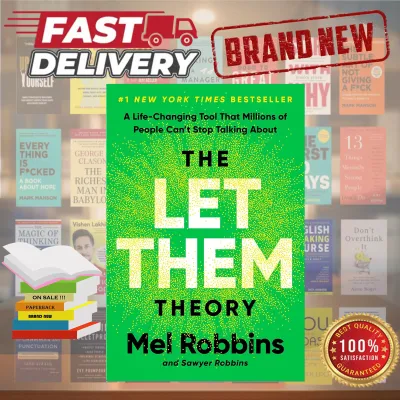
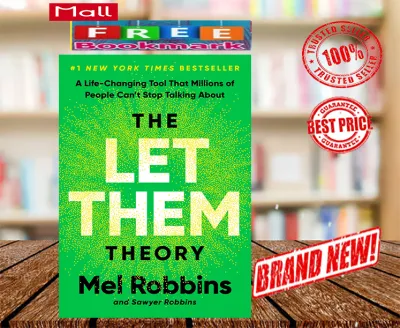
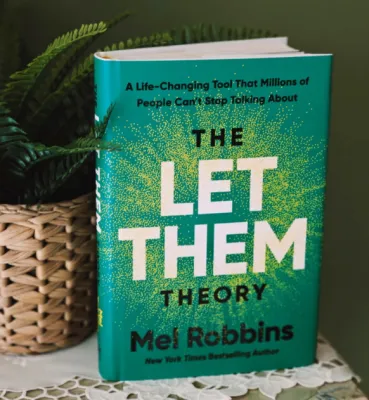
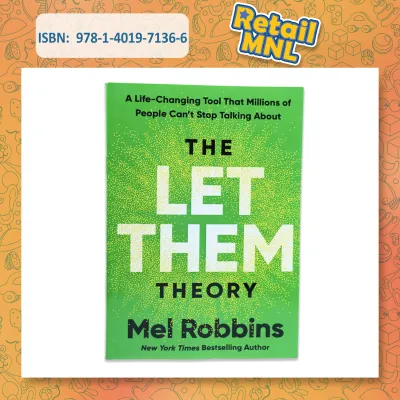
Prices are valid at publication and may change. Please refer to the product page for the latest price.
Crucially, the author distinguishes between healthy emotional detachment and passive indifference. “Letting them” does not mean allowing others to mistreat you or staying silent in the face of injustice. Instead, it is about accepting reality as it is so you can make clear, rational decisions about your own boundaries. It empowers you to say, “I will let you make your choice, and I will choose how I respond to protect my own well-being.”
Who Will Get the Most Value from This Book?
This book is exceptionally valuable for chronic people-pleasers, over-givers, and individuals experiencing severe emotional burnout. If you routinely prioritize the comfort of others at the expense of your own mental health, the strategies outlined here will help you break that cycle. It speaks directly to those who feel an intense, self-imposed responsibility to fix everyone else’s problems, offering a guilt-free path toward self-preservation.
Overthinkers and anxious minds who constantly micromanage the choices of their loved ones will also find immense relief in these pages. If you lose sleep worrying about decisions your siblings, parents, or friends are making, this book acts as a gentle intervention. It helps you realize that allowing others the freedom to make their own mistakes is often the most loving—and sanity-preserving—action you can take.
Additionally, readers who prefer actionable, real-world frameworks over abstract philosophical theories will appreciate the book’s structure. Instead of bogging you down with dense academic jargon, the text focuses on relatable scenarios and straightforward communication strategies. It provides clear, everyday language you can use to establish boundaries, making it highly practical for anyone ready to make immediate changes in their daily interactions.
When to Skip It: Limitations and Alternative Approaches
While the book offers excellent tools for everyday stress, it is not a universal solution for every interpersonal challenge. You should skip this approach in situations that require active intervention, such as abusive relationships, severe mental health crises, or safety concerns involving children or vulnerable individuals. In these high-stakes scenarios, “letting them” behave without intervention is dangerous; instead, active protection, legal measures, or professional crisis intervention are absolutely necessary.
Furthermore, readers seeking deep clinical psychology, trauma-focused therapy, or peer-reviewed academic research will likely find the book’s conversational tone too light. The concepts are designed for broad, mainstream appeal rather than clinical depth. If you are trying to heal from deep-seated childhood trauma or complex psychological conditions, a structured therapeutic workbook or professional guidance would be a far more appropriate investment.
Finally, if your primary personal development goals lie in other areas—such as building daily habits, mastering financial literacy, or learning technical career skills—this book will not address those needs. It is highly specialized around emotional boundaries and relationship dynamics. If those are not your current pain points, your time and money are better spent on books tailored to those specific disciplines.
Evaluating the Investment: Formats, Editions, and Local Availability
Deciding how to consume this book depends heavily on your lifestyle, daily habits, and how you prefer to study self-help material. If you face long daily commutes in heavy city traffic, the audiobook format can turn stressful travel time into a productive self-reflection session. On the other hand, if you enjoy highlighting key passages, writing in the margins, and revisiting specific exercises, a physical paperback or hardbound copy remains the superior choice. Keep in mind that the tropical humidity in the Philippines can damage physical pages over time, so storing your books in a dry, well-ventilated space is essential if you plan to build a lasting home library.
When purchasing your copy, it is crucial to verify authorized sellers to avoid pirated, poorly printed, or incomplete editions. E-commerce platforms and online marketplaces are often flooded with cheap, unauthorized reprints that suffer from missing pages, illegible text, and low-quality paper. To ensure you are supporting the author and receiving a complete, high-quality text, buy directly from reputable local brick-and-mortar bookstores or their official online storefronts.
In terms of pricing, physical paperbacks at major local bookstores typically range between ₱600 and ₱1,200, while digital e-books and audiobooks may vary depending on the platform and current exchange rates. Before checking out, look for legitimate bookstore promotions, loyalty card discounts, or bundle deals that can make the physical copy more budget-friendly. Always cross-check the publisher’s details on the copyright page to confirm you are purchasing an authentic edition.
Frequently Asked Questions (FAQ)
How long does it take to read 'The Let Them Theory'?
At a casual reading pace, most readers can finish the book in about four to six hours. The book is structured with clear, digestible chapters that make it easy to read in short segments, such as during a lunch break or before bed. However, to get the most value out of the material, it is best to pace yourself. Instead of rushing through the pages, take a few days to reflect on each chapter and complete the journaling prompts or exercises before moving on to the next section.
Is the audiobook version worth it compared to the physical book?
The audiobook is highly recommended if you appreciate hearing the author’s personal voice, emotional emphasis, and conversational humor. Listening can make the concepts feel like a supportive chat with a close friend, which helps the advice resonate on a deeper level. However, the primary drawback of the audio format is the difficulty of referencing specific exercises, charts, or reflection prompts. If you choose the audiobook, keeping a dedicated journal nearby to jot down key takeaways and complete the exercises is a highly effective workaround.
Can this book replace professional therapy or counseling?
No, this book cannot replace professional therapy, counseling, or psychiatric care. Self-help literature is designed to be a supplementary tool for personal growth and general self-reflection, not a clinical treatment for mental health conditions. If you are struggling with severe anxiety, depression, unresolved trauma, or relationship distress that feels overwhelming, it is important to seek support from a licensed psychologist or counselor. In the Philippines, many clinics and mental health organizations offer both in-person and online consultations to help you navigate these challenges safely.
Community discussion
Share your experience or ask a question. Comments are reviewed before publication.