
The viral rise of “The Let Them Theory” across online platforms has left many readers wondering if the full-length book by Mel Robbins is truly worth the investment of time and money. The short answer is yes, but with important caveats. For individuals who constantly battle people-pleasing tendencies, overthinking, and the emotional exhaustion of trying to control others, this book provides a highly practical, structured framework that goes far beyond the simplified soundbites found online. However, for those already well-versed in classical philosophy or advanced psychological boundary-setting, the concepts may feel familiar and overly simplified.
In the Philippines, where cultural values heavily emphasize close family ties, community harmony, and the social pressure of maintaining smooth interpersonal relationships, the struggle to set personal boundaries is incredibly common. This review examines whether the book delivers actionable value for local readers navigating these unique social dynamics, how the written text compares to free online content, and how to make an informed purchasing decision.
What Is The Let Them Theory and Why Is It Trending?
The core philosophy of the book centers on a deceptively simple premise: letting go of the desire to control other people’s actions, choices, and opinions. Instead of wasting emotional energy trying to force others to behave, care, or respond in specific ways, the theory advocates for stepping back and allowing them to reveal their true colors. This shift in perspective does not mean passive resignation; rather, it frees up mental space so you can focus entirely on your own choices, reactions, and personal boundaries.
Products mentioned in this guide
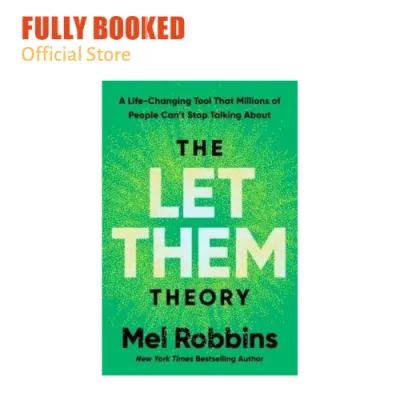
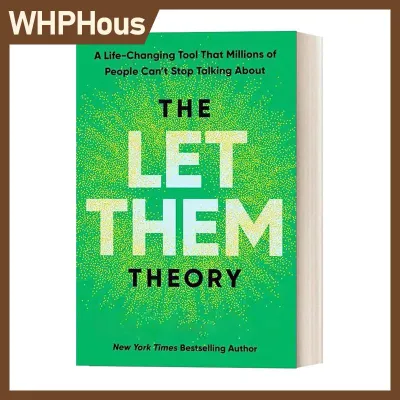
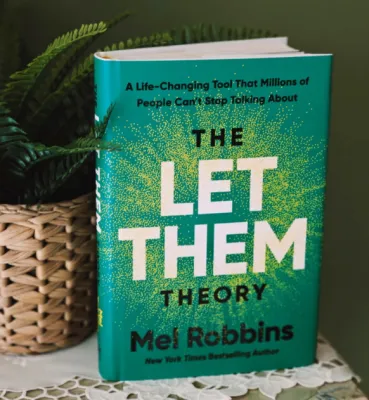
Prices are valid at publication and may change. Please refer to the product page for the latest price.
While the concept gained massive traction through short-form videos and viral social media posts, a brief clip cannot capture the full utility of the philosophy. The complete book provides the necessary nuance, explaining that “letting them” is not about accepting mistreatment or neglecting your responsibilities. It offers a structured approach to understanding why we feel compelled to control situations and how to systematically detach from outcomes that are entirely out of our hands.
For readers seeking a deep, academic psychological treatise, this book may not fit the bill. It is designed as an accessible, conversational self-help guide rather than a clinical study. The trending popularity of the book stems from this very accessibility, translating complex cognitive behavioral concepts into everyday language that anyone can immediately apply to their daily life.
Core Concepts: Does the Theory Offer Practical Value?
The practical utility of the book lies in its direct application to boundary management and emotional preservation. In daily life, we often exhaust ourselves by mentally policing the behavior of colleagues, friends, and family members. By adopting this mindset, you learn to observe rather than react, which drastically reduces the daily friction of interpersonal relationships and helps prevent burnout.

This approach proves highly effective when dealing with situations that are genuinely beyond your control. For example, if a coworker consistently submits their portion of a project late, or if a friend repeatedly cancels dinner plans at the last minute, constantly arguing or stressing will not change their habits. “Letting them” do as they please allows you to see their reliable patterns clearly, enabling you to make practical decisions—such as setting firmer deadlines or choosing not to make plans with them in the future—without the accompanying emotional drama.
However, the theory has distinct limitations that readers must recognize. It is not a universal solution for every life scenario. The mindset is entirely inappropriate for parenting young children who require active guidance, discipline, and intervention for their safety and development. Furthermore, it should not be applied to situations involving systemic injustice, workplace harassment, or contractual breaches, where active advocacy, legal recourse, or direct intervention is necessary to protect your rights.
Who Will Benefit Most From The Let Them Theory Book?
The ideal reader for this book is someone who struggles with chronic overthinking, people-pleasing, and the heavy emotional burden of trying to keep everyone around them happy. If you find yourself constantly anxious about how others perceive you, or if you feel personally responsible for fixing the lives of the adults around you, the structured exercises and relatable anecdotes in this text will provide a much-needed sense of relief and clarity.
Conversely, readers who are already familiar with Stoicism—specifically the dichotomy of control popularized by ancient philosophers—or those who have read extensively on boundary-setting may find the content repetitive. The book repackages these foundational ideas into a modern, highly digestible format, but it does not necessarily introduce groundbreaking psychological theories. If you have already mastered the art of emotional detachment and boundary-setting, this book might serve as a gentle reminder rather than a source of new revelation.
When deciding whether to purchase the complete book or simply rely on free summaries and podcast episodes, consider your personal learning style. While a podcast episode can introduce the concept and offer a quick motivational boost, the book provides a cohesive, step-by-step journey. The written format allows you to engage with self-reflection prompts, work through specific exercises, and absorb the philosophy at a pace that encourages long-term behavioral change.
How to Buy and Read the Book in the Philippines
When preparing to purchase the book, readers can choose from several formats, including physical paperback, hardcover, e-book, and audiobook. Your choice should align with your reading habits and lifestyle. Physical copies are excellent for those who prefer a tactile reading experience and enjoy highlighting key passages, while e-books offer instant delivery and are highly portable for daily commutes.
Given the tropical climate and high humidity levels in the Philippines, physical books require careful maintenance to prevent yellowing, foxing, and mold. If you choose a physical paperback or hardcover, consider storing it in a well-ventilated area away from direct sunlight, or keeping it in a sealed container with silica gel packets to absorb excess moisture. For many local readers, digital formats like e-books or audiobooks are highly practical alternatives that eliminate these preservation challenges entirely.
To ensure you are purchasing a genuine copy, always buy from authorized book retailers or verified official brand stores on major online marketplaces. The local market is unfortunately flooded with cheap, unauthorized reprints that suffer from missing pages, blurry text, and poor binding quality. Expect to pay around ₱600 to ₱1,200 for a legitimate copy, depending on the format and current bookstore promotions, and always verify seller reviews and product ratings before finalizing your purchase.
Frequently Asked Questions (FAQ)
Is the audiobook version worth it compared to the physical copy?
The audiobook version offers a unique advantage because it is narrated by the author, allowing you to hear the exact tone, emphasis, and emotional nuance intended for each chapter. This format is highly beneficial for busy individuals who want to consume the content during long daily commutes or while performing household chores. However, if you prefer to actively study the material, write down personal reflections, and easily flip back to reference specific frameworks, a physical copy or an e-book remains the superior choice for active learning.
Can this book replace professional therapy or counseling?
No, this book is a self-help resource designed for personal growth and mindset adjustment, and it cannot replace professional therapy or counseling. While the concepts can help you manage everyday stress and minor interpersonal conflicts, they are not designed to treat clinical conditions such as anxiety disorders, depression, or deep-seated trauma. If you are experiencing severe emotional distress, persistent mental health struggles, or abusive relationship dynamics, you should seek the guidance of a licensed mental health professional rather than relying solely on self-help literature.
Community discussion
Share your experience or ask a question. Comments are reviewed before publication.