
Deciding whether to purchase and read a specialized health book requires a careful look at how its concepts translate to your daily life. For readers in the Philippines, evaluating the “how to starve cancer book” involves more than just reading the back cover. It requires understanding how the book’s metabolic theories, dietary restrictions, and supplement suggestions fit into local food systems, cultural dining habits, and the standard of care provided by Filipino oncologists. This guide offers a practical framework to help you determine if this specific title is a valuable addition to your personal health library.
Understanding the Core Premise of the Book
Before investing in any health-focused self-help book, it is crucial to analyze its foundational arguments and the background of its author. The “how to starve cancer book” centers on the concept of targeting the metabolic pathways of abnormal cells through specific dietary interventions, supplements, and off-label therapies. To evaluate if this approach aligns with your needs, start by researching the author’s background, credentials, and the specific scientific or personal journey that led to these findings. Knowing whether the author is a medical professional, a researcher, or a patient sharing a personal anecdote helps you contextualize the advice.
Next, examine the table of contents of the specific edition you are considering. A thorough review of the chapter titles will reveal whether the book focuses heavily on complex biochemistry, practical meal planning, or specific supplement protocols. This step is essential because different editions of the book may contain updated information, revised protocols, or new chapters addressing reader feedback. Checking the publication date ensures that the nutritional theories presented have not been superseded by more recent clinical trials or updated oncology guidelines.
Products mentioned in this guide
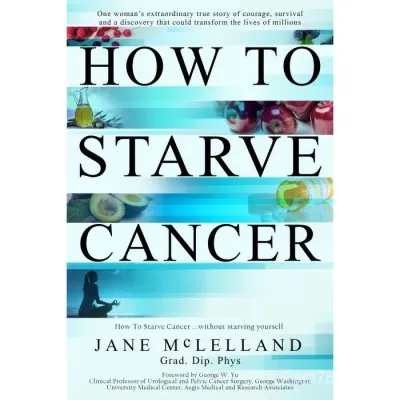
Prices are valid at publication and may change. Please refer to the product page for the latest price.
Additionally, verify the medium and format of the book before purchasing. Whether you choose a physical paperback, a digital e-book, or an audiobook, ensure that the edition is complete and authorized by the publisher. Some digital versions on unauthorized platforms may suffer from formatting issues, missing charts, or omitted appendices that contain vital protocol details. Checking these technical aspects beforehand prevents frustration and ensures you have access to the complete text as intended by the author.
Evaluating Relevance for the Filipino Diet and Lifestyle
One of the greatest challenges when reading international health and nutrition books is translating their dietary recommendations to the local context. Many Western health books advocate for specific organic produce, grass-fed meats, and temperate-climate vegetables that are either difficult to find or highly expensive in the Philippines. For instance, if a protocol heavily relies on fresh berries, kale, or specific cold-water fish, a Filipino reader must evaluate whether these can be substituted with local alternatives without compromising the underlying nutritional strategy.

To adapt these concepts successfully, you must assess the availability of local substitutes in your neighborhood wet market or supermarket. Leafy greens like malunggay (moringa), kangkong (water spinach), and local cruciferous vegetables like pechay can often serve as nutrient-dense alternatives to Western greens. However, substituting ingredients requires a basic understanding of their macronutrient and micronutrient profiles. If the book’s protocol demands strict adherence to specific chemical compounds found only in rare imported foods, the practical feasibility of the diet drops significantly for those living outside major metropolitan areas.
Beyond individual ingredients, cultural dining habits play a massive role in how sustainable a dietary shift will be. In the Philippines, meals are traditionally shared family affairs, often centered around white rice, rich stews, and fried dishes. Adopting a highly restrictive metabolic diet can create social friction during family gatherings, salo-salo, or community fiestas. You must consider whether you are prepared to prepare separate meals for yourself or if your family is supportive of adjusting their collective eating habits to accommodate your nutritional goals.
Finally, the financial aspect of sourcing specialized supplements and imported specialty foods cannot be ignored. Many metabolic protocols recommend high doses of specific vitamins, minerals, or herbal extracts that are not commonly stocked in local pharmacies. Importing these items through online marketplaces or specialty health stores can quickly become a significant monthly expense. Before committing to the book’s advice, it is wise to list the recommended supplements and check their local availability and pricing to ensure the protocol is financially sustainable over the long term.
Medical and Scientific Considerations Before Reading
While self-help books can offer empowering perspectives, they must never be viewed as a replacement for conventional medical treatments. Oncology is a highly complex field, and standard therapies such as chemotherapy, radiation, immunotherapy, and surgery are backed by rigorous clinical trials. Any dietary protocol, no matter how compellingly written, should only be considered as a supportive, complementary tool under strict medical supervision.
Before implementing any dietary changes or supplement regimens found in the book, schedule a detailed consultation with your oncologist or a registered dietitian who specializes in oncology. Some supplements or extreme dietary shifts can actively interfere with the efficacy of chemotherapy drugs or radiation treatments. For example, certain high-dose antioxidants can protect cancer cells from the therapeutic effects of radiation, while other herbal extracts can strain liver or kidney function during active treatment. Presenting the book’s protocols to your medical team allows them to identify potential contraindications specific to your diagnosis.
It is also vital to develop a critical eye for red flags when reading health literature. Be cautious of texts that promise guaranteed cures, use overly sensationalized language, or actively discourage readers from pursuing standard medical therapies. Reputable health books should present their findings as supportive strategies rather than absolute alternatives to professional clinical care. If a book suggests that you should hide your dietary choices from your doctor, it is a clear sign that the material may not be safe or scientifically sound.
How to Decide If This Book Belongs on Your Shelf
To determine if the “how to starve cancer book” is a worthwhile investment for your personal library, it helps to use a structured decision-making framework. Start by assessing your primary goal: are you looking for a general understanding of metabolic health, or are you seeking a highly specific, actionable protocol to accompany active medical treatment? If your goal is the latter, the book’s utility depends entirely on whether your medical team approves of and can monitor the suggested changes.
Before purchasing a physical copy, which can range from ₱800 to over ₱2,000 depending on the edition and retailer, consider exploring lower-risk options. You can search for authorized digital summaries, read verified reader reviews on reputable book platforms, or check if a copy is available to borrow from a local library or a support group. This allows you to preview the complexity of the writing and the strictness of the protocols before committing your financial resources.
Additionally, compare the cost of the book and its recommended lifestyle changes against other health investments. Sometimes, spending your budget on a personalized consultation with a local registered dietitian who understands Filipino food preferences is more beneficial than buying an international bestseller. If you decide to purchase the book, ensure you buy from an authorized bookstore or a verified seller on local ecommerce platforms to avoid counterfeit copies that may contain printing errors or missing pages.
Frequently Asked Questions (FAQ)
Where can I find reliable health books in the Philippines?
Reliable health and wellness books can be purchased through major physical bookstore chains located in leading shopping malls across the country. Many of these retailers also maintain official stores on major online marketplaces, ensuring you receive genuine, high-quality prints. For academic or highly specialized medical texts, university libraries—particularly those with strong medical or nursing programs—and large public library systems are excellent resources for borrowing or referencing literature without the upfront cost of purchasing.
Should I follow the diet in the book exactly as written?
It is highly discouraged to follow any complex dietary protocol exactly as written without personalizing it to your unique health profile. Every individual has distinct metabolic, genetic, and medical needs that a general-audience book cannot account for. Adopting extreme dietary restrictions or introducing high-dose supplements without clinical supervision can lead to nutritional deficiencies, muscle wasting, or dangerous interactions with prescribed medications. Always work with a qualified healthcare professional to adapt any book-based advice to your specific medical situation.

Community discussion
Share your experience or ask a question. Comments are reviewed before publication.