
Quick Answer: How to Tell If This Book Fits Your Needs
Deciding on a comprehensive Catholic reference book depends on your current learning objectives and how you prefer to study. “The Faith Explained” is designed as an accessible, structured guide to the teachings of the Catholic Church, making it highly suitable if you want to understand the reasons behind doctrines, sacraments, and moral teachings. It serves well as a systematic study tool or a reliable household reference for answering everyday questions about the faith.
However, this book may not suit your needs if you are searching for deep, academic theological treatises or purely devotional, emotional prayer guides. Before purchasing, the critical first step is to verify the specific edition, publisher, and table of contents to ensure the text aligns with your study goals and contains the necessary ecclesiastical approvals.
Assessing Your Current Catholic Knowledge Level
To determine if a general faith reference book is the right fit, you must first evaluate your current understanding of Catholic doctrine. If you are a beginner, an inquirer, or someone returning to the Church after a long absence, you likely need clear, foundational explanations. A comprehensive reference book can help demystify the sacraments, the structure of the liturgy, and core beliefs without overwhelming you with dense academic jargon.
Products mentioned in this guide
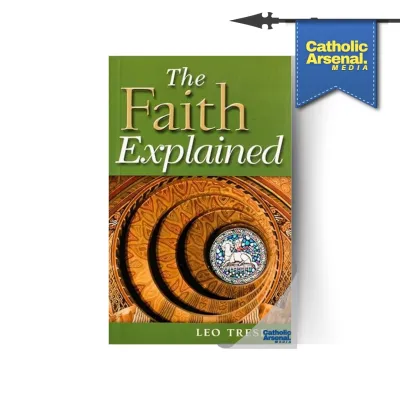
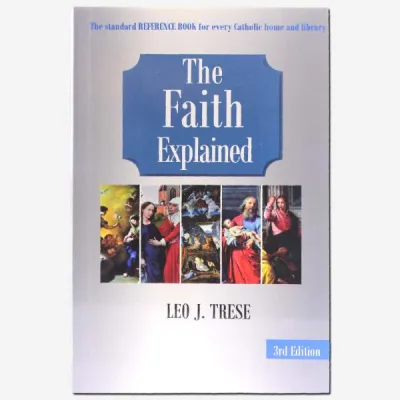
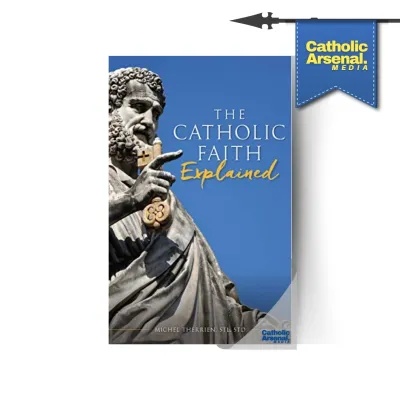
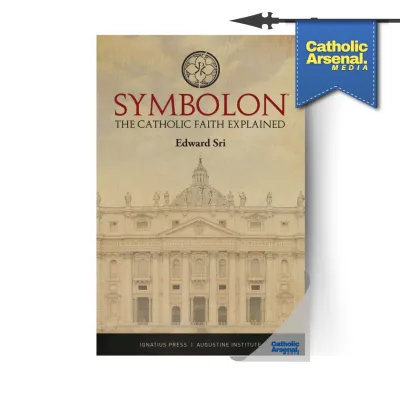
Prices are valid at publication and may change. Please refer to the product page for the latest price.

For intermediate learners, the goal often shifts from learning what the Church teaches to understanding how to articulate and defend those beliefs. If you find yourself in discussions with friends or family and struggle to explain the biblical roots of Catholic traditions, a structured reference book provides the apologetic tools you need. It bridges the gap between simple catechism answers and complex theological arguments.
Conversely, you might already possess a strong grasp of the basics and require something more specialized. If you are looking to analyze specific scriptural passages line-by-line or study the historical development of early Church doctrines, a general overview will likely feel too broad. In such cases, your spiritual journey would be better served by dedicated biblical commentaries, historical documents, or the direct writings of the Church Fathers.
Evaluating the Book's Content, Edition, and Format
When shopping for a religious reference book, examining the physical and structural attributes of the volume is essential to ensure a fruitful study experience. Start by reviewing the table of contents, the index, and the glossary. A well-organized index is particularly crucial for a reference book, as it allows you to quickly locate specific topics, such as Catholic social teaching or moral guidelines, without reading the entire volume sequentially.
Equally important is verifying the specific edition, publication year, and publisher of the book. Catholic teachings and their pastoral applications are presented through authorized translations and texts that carry official ecclesiastical approvals, such as the Imprimatur and Nihil Obstat. Checking for these declarations ensures that the explanations you read are free from doctrinal error and align fully with the Magisterium of the Church.
You must also weigh the practical benefits of physical versus digital formats based on your personal study habits. A physical book is excellent for highlighting, writing marginal notes, and keeping on a family altar or bookshelf, though you must take care to protect paper pages from the high humidity and tropical climate of the Philippines. On the other hand, a digital version offers unmatched portability and instant keyword searching, making it a convenient companion for daily commutes or parish discussion groups, provided your reading device is compatible with the file format.
Aligning the Book With Your Specific Spiritual Goals
Your choice of reading material should directly support the practical ways you intend to live out and study your faith. If you are currently participating in a structured parish program, such as the Rite of Christian Initiation of Adults (RCIA), or preparing to teach catechism classes, a comprehensive reference book serves as an invaluable companion. It provides a reliable framework that mirrors formal instruction, helping you prepare for weekly discussions.
For families, a solid reference book acts as a dependable household anchor. When children ask challenging questions about faith, morals, or Church history, having a trusted volume on hand allows you to find accurate answers together, fostering a culture of shared learning in the home. This proactive approach turns potentially confusing moments into opportunities for family bonding and spiritual growth.
However, it is vital to distinguish between intellectual study and devotional prayer. While a reference book informs your mind and strengthens your intellectual conviction, it is not a substitute for devotional classics, saint biographies, or guided prayer journals designed to move the heart. Balancing your reading list with both informative reference texts and reflective spiritual works ensures that your intellectual growth does not outpace your personal relationship with God.
What to Do If 'The Faith Explained' Isn't the Right Fit
If your self-assessment reveals that “The Faith Explained” does not quite match your current needs, there are many alternative paths to explore. If you find a general reference book too dry, you might pivot toward narrative-driven spiritual classics, such as the confessions of saints, or practical guides on Christian living written by contemporary authors. These formats often present profound truths through personal stories and relatable daily struggles.
When navigating the vast landscape of Catholic literature, seeking personalized guidance can save you time and prevent frustration. Consider speaking with your parish priest, a spiritual director, or the knowledgeable staff at a local Catholic bookstore. Describing your current spiritual state, your reading preferences, and the specific questions you are trying to answer can help them recommend a book tailored precisely to your situation.
Ultimately, building a spiritual library is a lifelong, evolving process. Do not feel pressured to understand every complex theological concept immediately; instead, select books that challenge you just enough to grow without causing discouragement. By starting with resources that match your current level and gradually introducing more advanced texts, you will create a balanced reading habit that continuously nourishes both your mind and your soul.
Frequently Asked Questions (FAQ)
Where is the most reliable place to buy authentic Catholic books in the Philippines?
To ensure you receive complete, authorized, and high-quality editions of Catholic texts, it is best to purchase from official Catholic bookstores, diocesan offices, or direct parish shops. When browsing online marketplaces or ecommerce platforms, look for verified flagship stores of established Catholic publishers and distributors. Always check the seller’s credentials, read customer feedback regarding print quality, and verify that the book includes the necessary ecclesiastical approvals before finalizing your purchase.
Should I read a Catholic reference book cover-to-cover or use it as a topical guide?
How you read a reference book depends entirely on your learning style and immediate goals. If you are using the book as a primary study text or a supplement to a formal catechism course, reading it systematically chapter-by-chapter will help you build a cohesive, structured understanding of the faith. However, if you are looking for quick answers to specific moral, historical, or doctrinal questions, utilizing the index and cross-references to read topically is highly efficient and prevents information overload.
Community discussion
Share your experience or ask a question. Comments are reviewed before publication.