
Deciding whether to invest your time and money in a global bestseller like The Diary of a CEO by Steven Bartlett requires looking past the online hype. For aspiring entrepreneurs in the Philippines, the book offers a compelling mix of psychological insights and foundational business pillars, but its ultimate value depends on your ability to translate global concepts into local actions. While the book provides a solid framework for personal growth and leadership, you must actively filter its high-budget, Western-centric case studies to fit the realities of the local market.
If you are looking for a step-by-step manual on navigating local business permits, tax compliance, or setting up a shop on a local online marketplace, this book will not provide those specific answers. However, as a guide for developing the mental resilience and strategic thinking required to launch a venture, it serves as a valuable tool. The key is knowing how to separate the universal truths of human psychology from the highly specific, resource-heavy strategies that may not align with a lean startup budget in a developing economy.
Core Themes and Actionable Value for New Business Owners
The core of the book revolves around a series of fundamental laws designed to guide personal and professional mastery. For a new business owner, these principles are organized into pillars that cover the self, the story, the philosophy, and the team. Rather than offering a rigid business plan, the text focuses heavily on the psychological traits required to survive the volatile early stages of entrepreneurship, emphasizing that your business cannot grow faster than your personal development.
Products mentioned in this guide
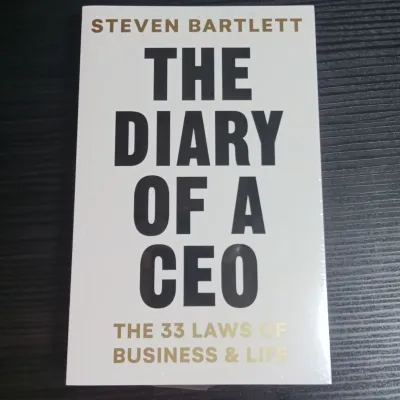
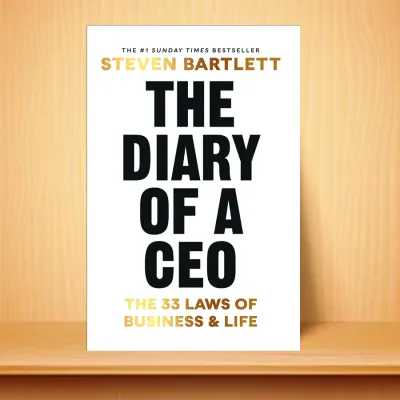
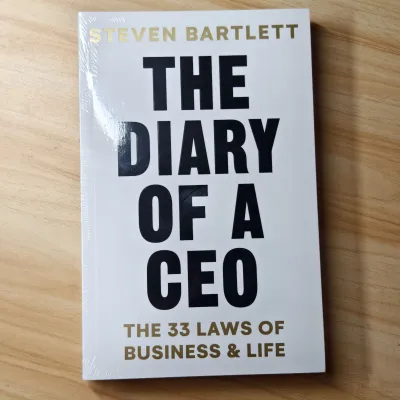
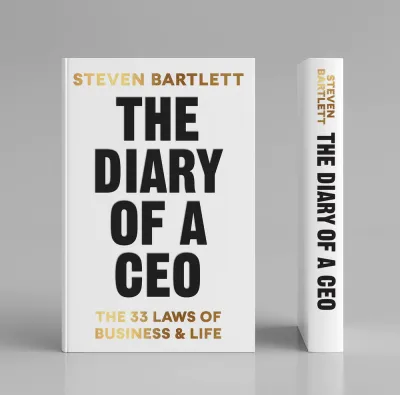


Prices are valid at publication and may change. Please refer to the product page for the latest price.
One of the most actionable aspects of the book is its focus on habit formation and friction reduction. The author argues that small, incremental changes in your daily routine and operational processes yield massive compounding results over time. For someone starting a business from scratch, this means focusing on refining your daily workflow, managing your energy, and building a resilient mindset before attempting to manage a large team or secure major investments.
It is crucial, however, to distinguish between universal entrepreneurial psychology and industry-specific tactics. The psychological challenges of starting a business—such as managing fear, handling failure, and maintaining focus—are identical whether you are launching a tech startup in London or a boutique retail brand in Manila. The book excels at addressing these internal hurdles, making it highly valuable for founders who need to build emotional fortitude before facing the market.
On the other hand, the tactical advice regarding digital marketing, hiring, and scaling often assumes access to a highly mature corporate ecosystem. While the underlying theories of consumer attention and brand storytelling are universally applicable, the specific execution methods described in the book may require significant adaptation for early-stage businesses operating with limited local resources.
Evaluating Relevance to the Philippine Business Environment
To determine if this book is worth your investment, you must evaluate how its concepts perform when applied to the unique economic landscape of the Philippines. Many of the case studies and examples in the book feature companies with access to substantial venture capital, highly integrated digital infrastructure, and consumers with high disposable income. In contrast, the local business environment is dominated by micro, small, and medium enterprises (MSMEs) that often rely on bootstrapping, personal savings, or informal lending networks.

When the book discusses scaling operations or hiring specialized talent, a local founder must ground these ideas in reality. In the Philippines, building a team often involves navigating different labor dynamics, talent pools, and compensation expectations. A strategy that works for a venture-backed tech firm in a Western metropolis may need to be scaled down to a highly collaborative, relationship-driven team structure suitable for a local small business.
Marketing and operational advice also require a local lens, particularly when it comes to e-commerce. The book emphasizes digital brand-building and frictionless customer journeys, which are highly relevant. However, the practical execution in the local market must account for the dominance of conversational commerce—where transactions are initiated and finalized through direct messaging apps—and the widespread preference for cash-on-delivery (COD) and local digital wallets.
Despite these differences, the universal principles of consumer psychology highlighted in the book remain incredibly effective. The concept of reducing friction in the buying process is a prime example. Whether you are optimizing a global software-as-a-service platform or simplifying the ordering process on a local social media page, making it easier for the customer to say “yes” is a timeless strategy that directly impacts your bottom line.
Who Should Read It and Who Should Skip It
This book is highly recommended for early-stage founders, side-hustlers, and aspiring entrepreneurs who need a strong foundation in business psychology and leadership mindset. If you find yourself struggling with self-doubt, inconsistent habits, or difficulty defining your brand’s core story, the structured laws in this book will provide much-needed clarity. It is an excellent tool for shifting your perspective from that of an employee to that of a strategic decision-maker.
Conversely, you should skip this book if you are looking for a highly technical, localized operational manual. It will not teach you how to register a business with local government units, file taxes with the Bureau of Internal Revenue, or manage local supply chain logistics. If your immediate need is a practical guide to local regulatory compliance or specific coding and manufacturing tutorials, your time and money are better spent on localized business guides or professional consultations.
Ultimately, readers must set realistic expectations before purchasing. The book is designed to inspire, challenge your assumptions, and provide broad strategic frameworks. It balances motivational storytelling with conceptual business advice, meaning it should be treated as a compass to guide your overall direction rather than a detailed map of every local road you will encounter.
How to Maximize the Book's Value for Your Business
To get the most out of your purchase, avoid reading the book passively as if it were a novel. Instead, approach it with a notebook or digital document open, actively translating each “law” into a concrete checklist for your specific business model. For instance, when the book discusses the importance of a compelling brand narrative, immediately write down how you can refine your own business’s story to better resonate with local consumers.
Another highly effective strategy is to cross-reference the book’s advice with local business mentors, peer networks, or community business programs. Discussing these global concepts with experienced local entrepreneurs will help you identify which strategies are highly viable in the local market and which ones require significant modification. This collaborative approach helps ground the book’s high-level theories in practical, everyday reality.
Finally, implement a strict testing framework before making major changes to your business. Rather than overhauling your entire marketing or operational strategy based on a single chapter, select one or two core concepts—such as a new approach to customer feedback or a minor adjustment to your daily productivity habits—and test them for a month. Observe the results, gather feedback, and only scale up the practice once you have verified its effectiveness in your specific local context.
Frequently Asked Questions (FAQ)
Is the book readily available in local physical bookstores?
Yes, the book is generally available in major physical bookstore chains across the Philippines, particularly in larger metropolitan branches. However, stock levels, pricing, and available formats—such as paperback, hardcover, or international editions—can vary significantly. Before making a purchase, always verify the specific edition, language, medium or file format (such as physical print, e-book, or audiobook), and regional compatibility to ensure you are buying a complete and authorized copy from a reputable source.
Does it provide strategies for selling on local e-commerce platforms?
No, the book does not contain specific tutorials or step-by-step strategies for selling on local online marketplaces or e-commerce platforms. Instead, it focuses on high-level consumer psychology, brand positioning, and the general principles of digital marketing. To apply these insights successfully, you will need to take the book’s broad concepts on customer trust and friction reduction and adapt them to the specific interfaces, algorithms, and payment methods of the platforms you use locally.
Should I read this before or after launching my business?
Reading the book during the ideation and early launch phases is highly beneficial, as it helps establish the necessary mindset, discipline, and strategic frameworks before you face real-world operational pressures. However, the book also holds substantial value for existing business owners who are looking to pivot, scale, or refine their leadership style. If you have already launched, you can use the book’s laws as a diagnostic tool to identify friction points in your current operations and marketing.

Community discussion
Share your experience or ask a question. Comments are reviewed before publication.