
Quick Diagnosis: Is This Book the Right Starting Point?
If you are a young Filipino looking to kickstart your journey into business and personal finance, Steven Bartlett’s The Diary of a CEO is a compelling but highly specific read. It is not a step-by-step manual on how to budget your salary, invest in the local stock market, or build an emergency fund. Instead, the book serves as a masterclass in mindset, behavioral psychology, and the foundational laws of professional decision-making.
For beginners, the book is an excellent starting point if you want to understand the psychological traits of successful leaders and the underlying principles of modern entrepreneurship. However, if your immediate goal is to learn how to manage daily expenses, escape debt, or understand local tax structures, starting with a technical personal finance guide is a much more practical choice. The book is best suited for those who want to build a strong mental foundation before diving into the mechanical details of money management.
Assess Your Learning Goals and Current Knowledge
Before purchasing any book, it is essential to clarify what you actually need to learn at this stage of your life. Young professionals and students in the Philippines often face a choice between mastering the mechanics of money and developing the mental resilience required to build a career. If you find yourself struggling with procrastination, fear of failure, or a lack of direction, the mindset frameworks in this book can provide the clarity you need to take action.
Products mentioned in this guide
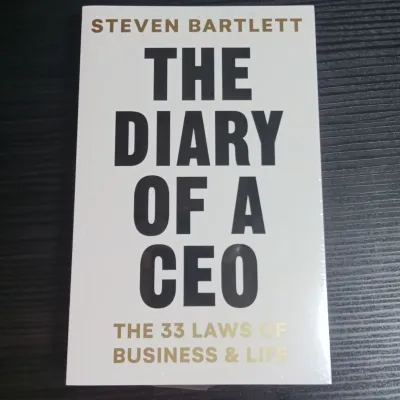
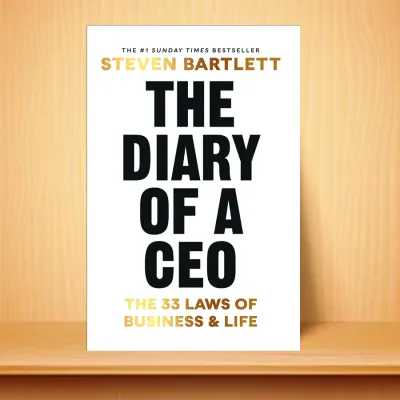
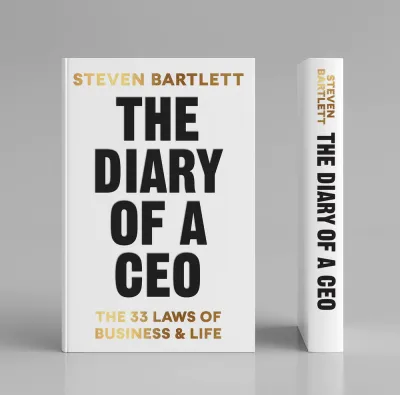
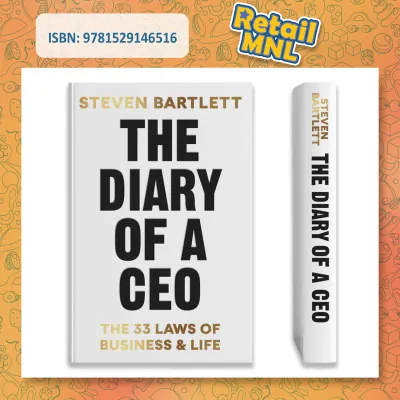
Prices are valid at publication and may change. Please refer to the product page for the latest price.

On the other hand, if you already have a clear business idea or career path but do not know how to balance a ledger, run a digital marketing campaign, or calculate profit margins, this book may feel too abstract. It focuses on high-level strategic laws rather than granular operational instructions. You must evaluate whether you are in the “inspiration and strategy” phase or the “execution and technical setup” phase of your journey.
For those who are completely new to the corporate world or starting a small online shop, mindset shifts are often more valuable than technical manuals. Understanding how to handle rejection, build a personal brand, and manage team dynamics can prevent costly mistakes early on. However, these concepts must eventually be paired with hard financial skills to ensure long-term success. If you lack the discipline to save money, no amount of high-level business strategy will keep your venture afloat.
Adapting Global Business Lessons to the Philippine Context
Reading international business literature requires a critical filter, especially when applying those lessons to the Philippine economic landscape. The book outlines laws of business that were developed in highly developed Western markets. While human psychology and leadership principles are universal, the infrastructure, regulatory environment, and consumer behavior in the Philippines present unique challenges.
For instance, concepts related to rapid scaling, venture capital funding, or digital-first business models must be adjusted to fit local realities. In the Philippines, traditional relationship-building, understanding local community dynamics, and navigating bureaucratic processes play a massive role in business execution. A young entrepreneur must learn to translate global strategies into localized actions that respect cultural nuances, such as the importance of interpersonal relationships (pakikisama) and community-based trust.
Furthermore, wealth creation concepts in the book often assume access to robust financial systems and high-disposable-income markets. When reading, you should focus on the core behavioral lessons—such as the value of consistency and the power of storytelling—and think about how to apply them within your local community or industry. Do not expect the book to address the specific economic hurdles, inflation rates, or employment conditions unique to the local market. Instead, use it as a tool to expand your perspective while keeping your feet firmly planted in local operational realities.
When to Choose Alternative First Reads
If your primary concern is surviving the monthly budget cycle or learning how to save your first ₱100,000, you should put this book on hold. A foundational personal finance book that explains interest rates, emergency funds, and debt management is a far better first step. These guides teach you the basic rules of survival before you attempt to master the rules of high-level business strategy.
Similarly, if you are preparing for a highly technical role or launching a business that requires immediate operational knowledge, prioritize guides on accounting, local tax compliance, or targeted digital marketing. These resources provide the immediate, actionable checklists that a philosophical book cannot offer. You cannot build a successful enterprise on mindset alone; you need to know how to register a business, manage cash flow, and comply with local regulations.
The ideal sequence for a young Filipino reader is to first establish financial stability through basic personal finance literacy. Once you have a stable grasp of your personal budget and a basic understanding of how money works, you can transition to The Diary of a CEO to elevate your strategic thinking, leadership capabilities, and long-term career vision. This sequential approach ensures you have both the practical tools to survive and the strategic mindset to grow.
Verifying Editions and Buying Safely
When you are ready to purchase, it is crucial to ensure you are getting an authentic, complete edition of the book. The market is often flooded with low-quality, pirated copies, especially on online marketplaces and social media storefronts. These counterfeit versions frequently suffer from missing pages, illegible printing, and poor binding that falls apart in high-humidity tropical climates.
To verify the edition, check the publisher details, ISBN, and page count against official listings. Authentic copies are typically printed on high-quality paper with clear typography and durable covers. Buying from authorized physical bookstores or their official online storefronts guarantees that you receive a complete text with all diagrams and formatting intact.
Compare the retail prices in ₱ across multiple authorized sellers before making a decision. If a listing on an ecommerce platform offers the book at a fraction of the standard retail price, it is highly likely a pirated copy. Investing in an authorized edition ensures a better reading experience and supports the creators who produce these educational resources. Always prioritize verified distributors to avoid the frustration of incomplete or poorly manufactured books.
Frequently Asked Questions (FAQ)
Does the book provide step-by-step investing or stock market strategies?
No, the book does not contain technical investment guides, stock market strategies, or portfolio management advice. It focuses on the psychological and strategic laws of business, leadership, and personal growth. If you are looking for step-by-step instructions on how to invest your savings, you should look for dedicated financial literacy books.
Is the audiobook a suitable alternative for beginners?
Yes, the audiobook is an excellent alternative, particularly for those who prefer auditory learning or have busy commutes. The author narrates the book, which adds a personal and engaging tone to the lessons. However, because the book contains visual frameworks and laws that you may want to reference later, having a physical or digital copy can make note-taking and long-term retention much easier. If you choose the audiobook, ensure you purchase the unabridged version from an authorized digital media platform.

Community discussion
Share your experience or ask a question. Comments are reviewed before publication.