
If you are a young Filipino looking to kickstart your career, launch a side hustle, or build a business, finding the right reading material can feel overwhelming. The book The Diary of a CEO has gained massive global popularity, leaving many wondering if it serves as a practical guide for the local market. The short answer is that while the book is an exceptional resource for cultivating an entrepreneurial mindset, understanding human psychology, and learning leadership principles, it is not a traditional personal finance or technical business manual.
If you expect step-by-step instructions on budgeting, local tax compliance, or investing your first savings, this book will not meet those specific needs. However, if you want to understand the mental frameworks required to navigate high-pressure decisions and build resilient systems, it offers invaluable modern insights. Deciding whether to read it depends entirely on your current goals and what skills you need to develop next.
How to Tell If 'The Diary of a CEO' Matches Your Current Stage
Before purchasing a copy, it is essential to evaluate your current knowledge level and clarify what you hope to gain from your next read. Young professionals and students in the Philippines often face a choice between studying high-level strategy or mastering day-to-day operational survival. If you are in the early stages of figuring out how to manage your personal monthly income or save for an emergency fund, your immediate priority should be basic financial literacy.
Products mentioned in this guide
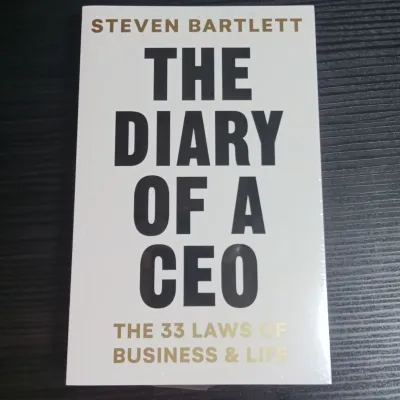
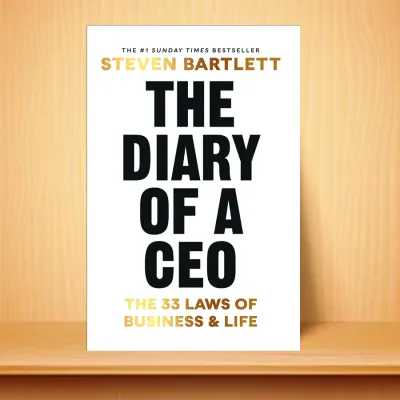
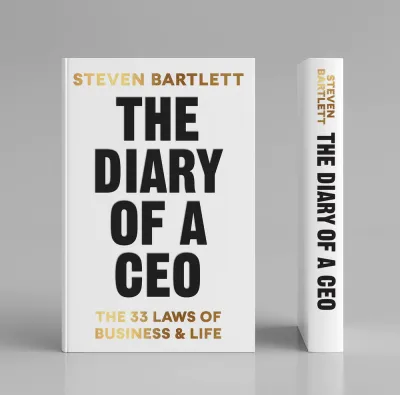
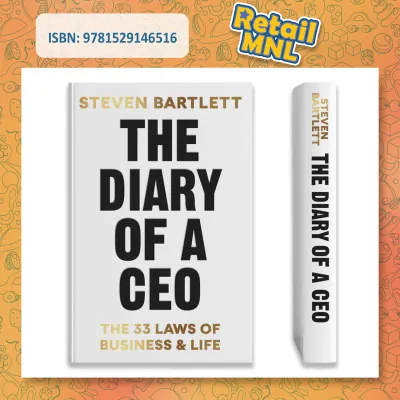
Prices are valid at publication and may change. Please refer to the product page for the latest price.
The Diary of a CEO operates at a different level, focusing primarily on the psychological and strategic pillars of business growth rather than personal budgeting. You should also consider your preferred learning style and how you absorb information. The book is structured around laws and principles derived from long-form, podcast-style interviews with highly successful global figures.
If you enjoy narrative-driven content, personal anecdotes, and philosophical reflections on success and failure, you will find the writing style engaging and easy to digest. Conversely, if you prefer highly structured textbooks, mathematical formulas, or concrete financial modeling templates, the conversational and reflective tone of this book might feel too abstract for your immediate goals.
Ultimately, matching this book to your current stage depends on whether you need a mindset shift or a technical toolkit. If you already have a basic grasp of business operations but struggle with self-doubt, leadership, or understanding consumer psychology, the insights here can help elevate your perspective. If you are still trying to understand how to calculate profit margins for a small local food stall or an online retail shop, you may want to pair this book with more practical, hands-on business guides.
Adapting Global Business Concepts to the Philippine Context
One of the greatest challenges for young Filipino readers engaging with international business literature is translation. The economic landscape in major Philippine urban hubs like Metro Manila, Cebu, or Davao differs significantly from the Western markets where many global business books are written. While universal truths about human behavior, motivation, and leadership remain constant across borders, the tactical execution of these ideas must be heavily adapted to survive locally.

For instance, global discussions on digital marketing, venture capital funding, and rapid scaling often assume access to mature financial ecosystems and high-income consumer bases. In the Philippines, a young entrepreneur must navigate unique local realities, such as a highly cash-reliant economy, varying internet speeds across provinces, and distinct consumer behaviors shaped by local purchasing power. A strategy that relies on high-friction digital checkouts or premium pricing models might fail in a local market where cash-on-delivery and budget-conscious retail options dominate.
Regulatory environments also require careful local validation. International authors rarely discuss the specific administrative hurdles of registering a sole proprietorship, securing local barangay clearances, or complying with national tax regulations. When reading about organizational design or hiring practices, you must filter these concepts through the lens of local labor laws and employment standards. Using global principles as a strategic compass is highly effective, but you must always design your operational map using local data, realistic logistics, and actual Philippine market conditions.
Setting Realistic Expectations: Mindset vs. Technical Finance
To get the most value out of The Diary of a CEO, you must set realistic expectations regarding its content focus. The book is fundamentally about entrepreneurial psychology, soft skills, and decision-making frameworks. It does not teach you how to read a balance sheet, analyze stock market trends, or calculate the return on investment for a real estate property. Understanding this distinction prevents the frustration of buying a book that does not align with your immediate learning objectives.
The author’s background as a digital marketing agency founder and media personality heavily influences the book’s perspective. The lessons focus on branding, storytelling, understanding human friction, and maintaining personal well-being amidst high-stress environments. These are critical components of long-term business success, but they represent the “soft” side of entrepreneurship. They assume that you will either learn the technical financial details elsewhere or hire specialists to manage them as your venture grows.
For a young reader starting a financial literacy journey, the realistic outcome of reading this book is a stronger mental foundation. You will learn how to approach failure as a data point, how to build better daily habits, and how to communicate more effectively with partners or customers. These mindset shifts are powerful, but they must be accompanied by hard financial skills if you want to build a sustainable business or achieve personal financial independence.
When to Look for Alternative Finance and Business Resources
Recognizing when to pivot to other educational resources is a key part of your learning journey. If your immediate goal is to organize your personal finances, pay off debt, or start investing in local financial instruments, you should look for resources tailored specifically to the Philippine financial system. Books and guides written by local financial planners will provide accurate information on local banking options, cooperative investments, and government-mandated savings programs.
Similarly, if you are planning to launch a specific type of business, such as a physical retail store, a local service agency, or an e-commerce brand, you will need technical operational manuals. These resources should cover practical topics like supply chain logistics, inventory management, local supplier negotiation, and digital marketing strategies tailored to local online marketplaces. Mindset books can inspire you to start, but operational guides are what keep your business running day to day.
The most effective approach for young Filipino readers is to build a balanced reading list. You do not have to choose exclusively between global inspiration and local practicality. Consider pairing a mindset-focused book like The Diary of a CEO with a practical guide on Philippine taxation, a basic accounting textbook, and local case studies of successful Filipino enterprises. This combination ensures you develop both the mental resilience required to lead and the practical skills required to manage your finances effectively.
Frequently Asked Questions (FAQ)
Is 'The Diary of a CEO' suitable for complete beginners in finance?
The book is not designed as a foundational text for basic personal finance or accounting. It does not cover topics like budgeting, debt management, or personal investing. Instead, it focuses on business philosophy, leadership, and entrepreneurial psychology, making it more suitable for those interested in business building rather than basic financial literacy.
Does the book provide step-by-step guides for starting a local business?
No, it does not offer step-by-step instructions or administrative guides for starting a business. You will not find information on local business registration, legal structures, or tax compliance. The book provides high-level strategic frameworks and mindset shifts that you must adapt to your own local regulatory and economic environment.

Community discussion
Share your experience or ask a question. Comments are reviewed before publication.