
Deciding to read a book about deep emotional recovery is a significant step in any personal wellness journey. “The Body Keeps the Score” by Dr. Bessel van der Kolk has become a widely discussed text in conversations around mental health, emotional healing, and personal development. However, before purchasing a copy, it is essential to understand whether this specific work aligns with your current emotional needs, reading preferences, and personal safety boundaries.
This book is not a typical light self-help guide filled with quick motivational quotes or simple daily checklists. Instead, it is a dense, scientifically grounded exploration of how deeply distressing experiences reshape both the human mind and the physical body. Understanding what the text offers—and what it demands of its readers—will help you determine if it is the right tool for your current stage of healing.
Understanding the Core Focus of 'The Body Keeps the Score'
At its core, the book explores the profound relationship between psychological trauma and physical physiology. Dr. Bessel van der Kolk, a veteran psychiatrist and researcher, uses decades of clinical experience to demonstrate that overwhelming stress does not merely exist as a memory in the mind. Instead, it physically alters the brain’s wiring, particularly the areas responsible for managing fear, safety, and emotional regulation.
Products mentioned in this guide
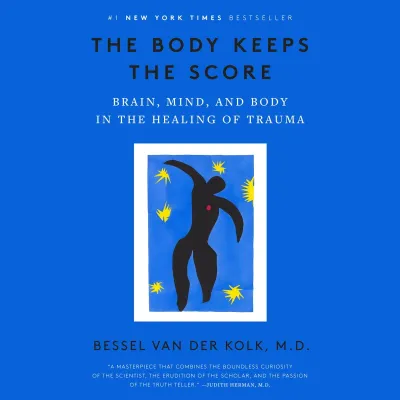
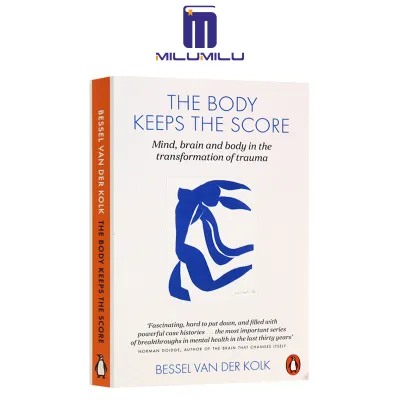
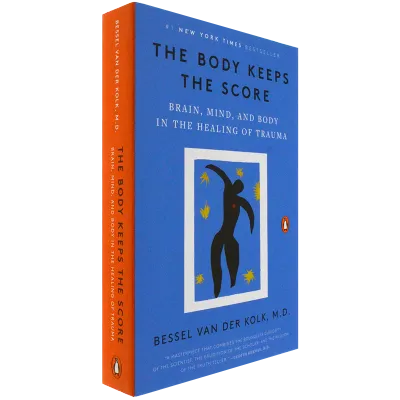
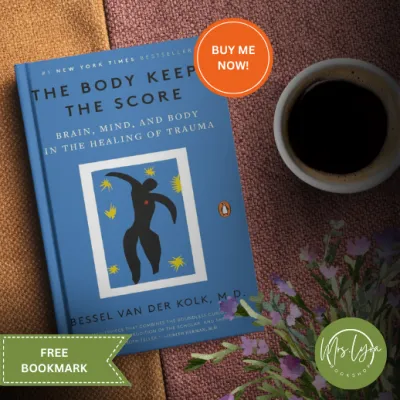
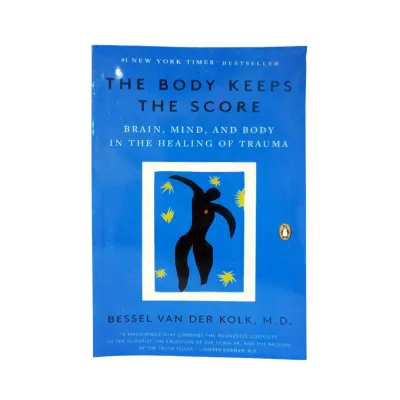
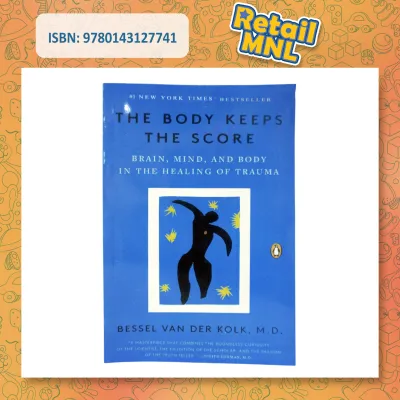
Prices are valid at publication and may change. Please refer to the product page for the latest price.
The narrative is structured as a blend of advanced neuroscience, detailed clinical case studies, and an evaluation of various therapeutic modalities. Readers will encounter in-depth explanations of how the nervous system reacts to threat, why traditional talk therapy sometimes falls short, and how somatic (body-based) practices can help release stored tension. It is a comprehensive academic and clinical study designed to explain the “why” behind chronic emotional struggles.
Because of this clinical foundation, the tone of the book is highly analytical and educational. It is vital to approach this text expecting the depth of a medical or psychological volume rather than a casual personal development book. The author’s perspective is that of a clinician seeking to revolutionize how the medical community treats trauma, which means the language is often technical, detailed, and uncompromising in its clinical descriptions.
Signs This Book Aligns With Your Healing Goals
This book may be highly beneficial if you are seeking to understand the mysterious ways your body reacts to stress and past experiences. Many people experience physical symptoms such as chronic muscle tension, unexplained fatigue, or sudden racing hearts without realizing these can be somatic responses to unresolved emotional pressure. If you want to connect the dots between your physical well-being and your psychological history, this text offers a clear scientific framework.

It is also an excellent match for readers who appreciate a rigorous, evidence-based approach to self-improvement. If you find yourself unsatisfied by vague advice and instead crave a deep dive into brain anatomy, nervous system pathways, and clinical research, the book provides the intellectual depth you desire. It empowers readers by explaining the biological mechanisms of survival instincts, helping to demystify feelings of shame or confusion.
Furthermore, the book is a valuable resource for those who support others on their recovery journeys. Caregivers, educators, and family members can gain profound empathy and practical insights into why a loved one might react strongly to certain triggers. By understanding the physiological nature of emotional dysregulation, supporters can move away from frustration and toward more patient, informed care.
When to Consider Alternative Self-Help Resources
While highly regarded, this book is not universally suitable for every reader or every situation. If your primary goal is to manage everyday work stress, mild burnout, or temporary situational anxiety, the heavy focus on severe psychological trauma may feel disproportionate and unnecessary. There are many excellent personal development books that focus specifically on time management, daily mindfulness, and light cognitive behavioral exercises better suited for general wellness.
It is also critical to recognize that reading about recovery is not a substitute for active, professional mental health care. If you are currently experiencing an emotional crisis, severe depression, or require immediate psychiatric support, a dense clinical text cannot replace a qualified therapist or medical professional. Using a book as a sole intervention during a period of acute instability can sometimes delay the personalized care you actually need.
Additionally, readers looking for a highly structured, step-by-step workbook with daily writing prompts or actionable exercises may find this volume frustrating. The book is primarily explanatory and diagnostic rather than prescriptive. While it discusses various healing paths—such as yoga, neurofeedback, and theater—it does not provide a direct, self-guided manual for practicing these techniques at home without professional guidance.
Strategies for Reading Trauma-Focused Material Safely
Engaging with heavy psychological material requires a conscious commitment to your own emotional safety. Because the book details real-world clinical cases, some chapters can be emotionally taxing or even triggering. It is entirely appropriate, and often necessary, to set firm personal boundaries around how much you read in one sitting, allowing yourself to close the book when a section feels too intense.
Pacing is key when navigating dense scientific and emotional concepts. You might choose to read only a few pages a day, giving your mind and body time to process the information. Pairing your reading journey with the support of a licensed counselor or therapist can also provide a safe space to discuss any personal memories or physical sensations that arise while reading.
Before opening the book, take a moment to assess your current emotional capacity and choose your reading environment carefully. Reading in a quiet, comfortable space where you feel secure can make a significant difference in how your nervous system processes the material. If you are already feeling overwhelmed by daily life, it may be wise to pause your reading and wait for a period of relative stability before tackling the more challenging chapters.
Choosing the Right Format and Where to Purchase
Selecting the right format for “The Body Keeps the Score” can greatly influence your reading experience. A physical paperback or hardcover book is often preferred by those who like to highlight key passages, write notes in the margins, and physically close the book when they need an emotional break. E-books offer portability and the ability to adjust text size, making them highly accessible, though they lack the tactile feedback of a physical volume.
Audiobooks present another alternative, allowing you to listen to the material during quiet moments or while engaging in light physical activity. However, because the content is dense and clinically detailed, some listeners find it more difficult to pause, reflect, or rewind when encountering complex scientific terms or emotionally heavy case studies. Consider your personal learning style and emotional pacing needs before deciding on a format.
When you are ready to purchase, look for reputable local book retailers, established online marketplaces, or official publisher distribution channels in the Philippines to ensure you receive an authentic, complete edition. Be sure to verify the specific edition, language, and current pricing in ₱ before completing your checkout. Checking the physical condition of the book or the file compatibility of an e-book beforehand ensures a smooth and uninterrupted reading experience.
Frequently Asked Questions (FAQ)
Is this book suitable for teenagers or young adults?
The book is written primarily for a mature audience, utilizing complex clinical terminology, academic research, and detailed case studies. While older teenagers with a strong interest in psychology may find the concepts fascinating, the heavy themes and academic language can be challenging to navigate alone. For younger readers dealing with personal challenges, it is highly recommended to approach this material under the guidance of a supportive parent, educator, or mental health professional.
Does the book contain graphic descriptions of traumatic events?
Yes, the book contains detailed clinical case studies that describe various difficult experiences, including military combat, severe neglect, and physical abuse, to illustrate how the brain processes extreme stress. These accounts are presented from a clinical, scientific perspective rather than for sensationalism, but they can still be highly distressing for sensitive readers. If you have specific sensitivities, it is advisable to approach these case studies with caution, skip them entirely, or focus primarily on the chapters detailing recovery and treatment methods.

Community discussion
Share your experience or ask a question. Comments are reviewed before publication.