
Choosing your first electronic drum kit requires matching the instrument’s physical design and digital features to your learning goals, available space, and budget. While the Aroma TDX15 is frequently considered by new players, determining if it is the right fit for you depends on how well its specific configuration supports foundational drumming techniques and daily practice. This guide provides a structured framework to evaluate the Aroma TDX15 against the core needs of a beginner, helping you make an informed decision before purchasing.
For aspiring drummers in the Philippines, finding an instrument that balances cost, physical size, and noise reduction is essential. Evaluating this kit requires looking closely at its pad materials, module features, and connectivity options to ensure it aligns with your practice routine before making a financial commitment.
Assessing Playability and Pad Response
When starting your drumming journey, the physical feel of the pads is the most critical factor for developing proper stick technique and muscle memory. You should check the manufacturer’s specifications to confirm whether the Aroma TDX15 utilizes mesh heads or rubber pads for its snare and toms. Mesh heads generally offer a more realistic rebound that closely mimics an acoustic drum, which helps prevent wrist fatigue during long practice sessions in warm, humid tropical climates.
Products mentioned in this guide
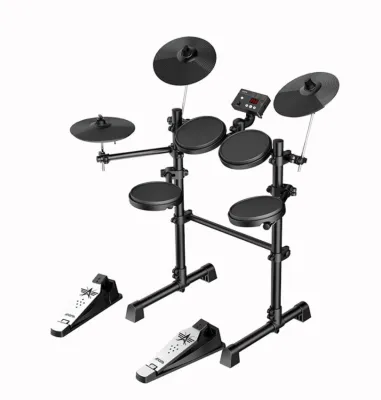
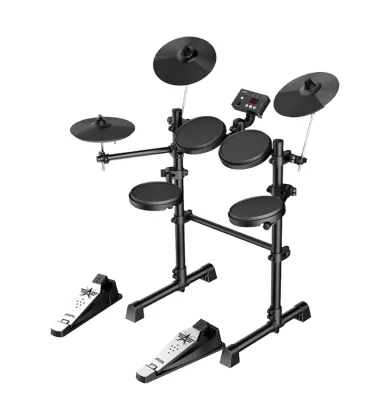
Prices are valid at publication and may change. Please refer to the product page for the latest price.
Next, verify the physical dimensions of the snare and tom pads. Smaller pads require highly precise stick placement, which can be excellent for developing accuracy but may lead to accidental rimshots or missed hits for absolute beginners. A standard configuration usually features an 8-inch snare pad; check if this size feels comfortable for your natural arm span and playing posture.
The kick drum setup is another vital component to inspect. Some entry-level kits use a simple beaterless foot pedal, while others feature a dedicated kick drum tower that accommodates a physical bass drum pedal and beater. Verify which design is included with the Aroma TDX15, as a physical kick tower provides a much more authentic pedal response, allowing you to practice proper heel-up or heel-down bass drum techniques. If you plan to use a double bass pedal in the future, confirm whether the kick pad surface is wide enough to accommodate two beaters side by side.
Evaluating the Sound Module and Practice Features
The drum brain, or sound module, is the digital heart of any electronic drum kit, translating your physical strikes into audible drum sounds. When evaluating the Aroma TDX15, review the module’s specifications to determine the size and variety of its built-in sound library. A good beginner module should offer a range of acoustic drum kit profiles—such as jazz, rock, and pop—alongside electronic percussion sounds, allowing you to explore different musical genres.

Effective practice requires structured tools, so you must check for built-in learning aids within the module. A reliable metronome is indispensable for developing a steady sense of timing, which is the foundation of all drumming. Look for additional features like pre-programmed play-along tracks that let you practice keeping time with a full band, as well as a basic recording function to capture and analyze your playing for self-correction.
Another practical feature to verify is the module’s mixing capability. Check if the interface allows you to adjust the individual volume levels of different drum pads and cymbals. Being able to boost the snare or quiet down the crash cymbal relative to the rest of the kit is highly beneficial for balancing your overall sound output and protecting your hearing during extended practice sessions.
Space, Setup, and Noise Management
Before purchasing any electronic drum kit, you must measure your available floor space and compare it against the rack dimensions of the instrument. In many Philippine homes, particularly urban apartments or shared family spaces, maximizing floor area is a priority. Ensure you have enough clearance not just for the rack itself, but also for a drum throne, your pedal setup, and the natural outward swing of your elbows while playing.
While electronic drums are significantly quieter than acoustic kits, they are not completely silent. The physical impact of wooden drumsticks hitting rubber or mesh pads, along with the downward vibration of the kick pedal on the floor, can transmit noticeable noise through walls and ceilings. If you live in a multi-story building or close to neighbors, consider placing a heavy non-slip mat or sound-absorbing tiles beneath the rack to dampen these low-frequency vibrations.
The structural integrity of the drum rack is equally important for long-term usability. Verify the stability, overall weight, and height adjustability of the frame. A sturdy rack prevents the pads from sliding or sagging during energetic play, while flexible height adjustments ensure that both younger students and taller adult players can maintain an ergonomically correct seating position.
Connectivity and External Device Integration
Modern drum education relies heavily on digital integration, making connectivity a key factor to analyze. Check whether the Aroma TDX15 module includes USB-MIDI or Bluetooth MIDI capabilities. These connections allow you to link the drum kit directly to a computer, tablet, or smartphone, enabling you to trigger high-quality virtual instruments or interface with interactive drum learning software and digital audio workstations (DAWs).
For daily practice, verify the presence of an auxiliary input (AUX IN) port. This feature allows you to connect your phone or media player via an audio cable, letting you stream your favorite songs or backing tracks directly into your headphones alongside your live drum sounds. This makes practicing much more engaging than playing to a simple click track.
Finally, inspect the physical audio outputs on the module. A standard 3.5mm or 6.35mm headphone jack is essential for private, silent practice sessions at any hour of the day. Additionally, check if there is a dedicated stereo or mono line output, which you will need if you eventually want to connect the kit to an external drum amplifier or a PA system for band rehearsals or small performances.
Budgeting and Long-Term Suitability
When budgeting for your first instrument, compare the retail price of the kit in ₱ against what is actually included in the box. Some packages are sold as complete bundles containing a drum throne, a bass drum pedal, drumsticks, and headphones, while other listings may only include the drum pads and rack. Calculating the total cost of these essential add-ons beforehand prevents unexpected expenses and ensures you can start playing immediately upon delivery.
Consider the hardware upgrade limitations of the kit as your skills progress. As you transition from a beginner to an intermediate player, you may want to add an extra crash cymbal or upgrade to a more sophisticated hi-hat controller that supports half-open sounds. Check the module’s rear panel to see if there are extra trigger inputs available for expansion, as a lack of inputs means you will eventually need to replace the entire kit rather than upgrading individual components.
Ultimately, you must decide if the Aroma TDX15 serves as a temporary, budget-friendly stepping stone or a durable, long-term practice companion. If your budget is tight and you want to test your commitment to the instrument without a massive upfront investment, an entry-level kit is highly practical. However, if you anticipate rapid progress and want an instrument that will satisfy your technical needs for several years, investing in a mid-range kit with advanced triggering capabilities might be more cost-effective in the long run.
Making Your Final Decision
The ideal user profile for the Aroma TDX15 consists of space-constrained beginners, hobbyists, or parents looking for an affordable, quiet entry point into drumming for their children. Its compact footprint and straightforward digital features make it highly accessible for those who need a simple, hassle-free setup for daily practice at home.
Conversely, if you have the space and freedom to make noise, an entry-level acoustic drum kit will always provide the most authentic physical feedback and dynamic range. Alternatively, if you are a serious student aiming for professional-level technique, you may want to look at higher-tier electronic kits that offer multi-zone cymbal choking, positional sensing, and more advanced sound customization options.
Before finalizing your purchase, take the time to verify the warranty coverage and return policies offered by local music stores or authorized online retailers in the Philippines. Electronic components can occasionally experience shipping damage or manufacturing defects, so buying from a reputable source with reliable customer support ensures your investment remains protected.
Frequently Asked Questions (FAQ)
Do I need to buy extra accessories for the Aroma TDX15?
Yes, you will likely need to purchase a few additional items depending on the specific package you choose. Always check the product listing to see if a drum throne, bass drum pedal, and drumsticks are included in the box. Additionally, standard packages rarely include headphones or external drum amplifiers, which you must purchase separately to hear your playing.
Can I use the Aroma TDX15 with drum learning apps?
Yes, provided the sound module features a USB-MIDI or Bluetooth MIDI output. This connection allows the kit to send MIDI data to your computer or mobile device, making it compatible with various interactive drum education and rhythm game apps. Be sure to check the specific app’s system requirements and compatibility guidelines before purchasing connection cables.
Community discussion
Share your experience or ask a question. Comments are reviewed before publication.