
Determining if The Action Bible is suitable for your child requires evaluating their emotional maturity, reading fluency, and natural preference for graphic novels, alongside your own expectations for visual biblical adaptations. This highly illustrated, comic-book style volume presents scriptural narratives with dynamic energy, making it a popular choice for young readers. However, because it departs from traditional text-heavy formats, its suitability depends heavily on whether a child can process dramatic visual storytelling without losing the core message. By assessing how your child interacts with sequential art and checking specific edition details, you can make an informed decision that supports their reading journey and spiritual development.
Assessing Age Appropriateness and Visual Themes
When deciding if this book fits your household, the first step is to consult the publisher’s official age recommendation, which is typically printed on the back cover or detailed in official online listings. While general age brackets provide a helpful starting point, every child develops at a unique pace. A child who easily handles standard schoolbooks might still find the intense, action-oriented illustrations of a graphic Bible surprising or overwhelming.
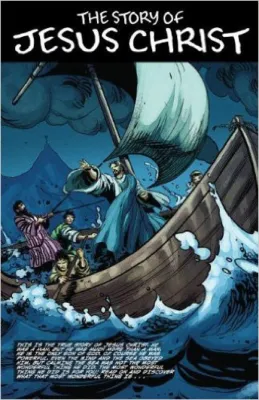
The visual style of this adaptation draws heavily on classic comic book aesthetics, featuring bold lines, dramatic shading, and dynamic action sequences. Biblical history includes historical conflicts, battles, and dramatic confrontations, which this format depicts with vivid artistic energy. Parents should gauge their child’s comfort level with illustrated warfare, heroic struggles, and intense facial expressions before purchasing. If your child is sensitive to dramatic tension or prefers soft, gentle illustrations, the high-energy panels might require some parental guidance.
Products mentioned in this guide
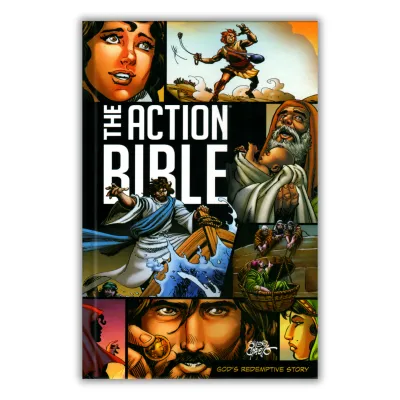
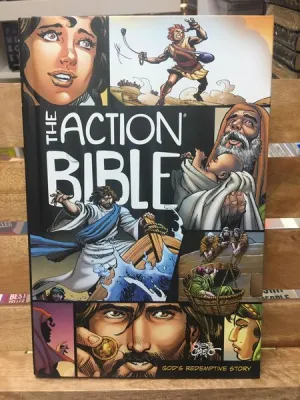
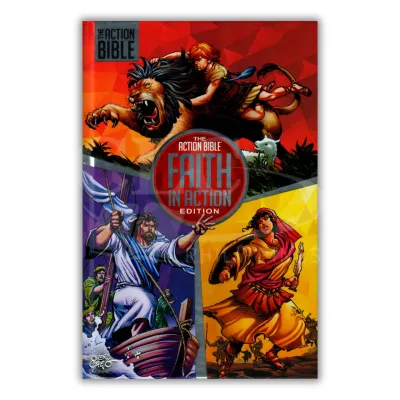
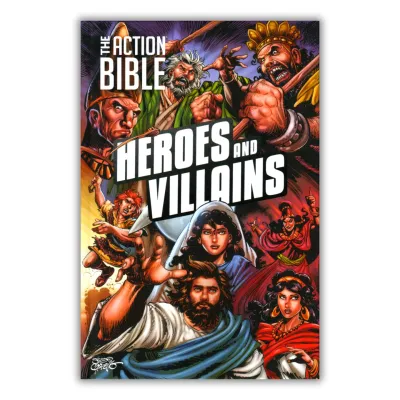
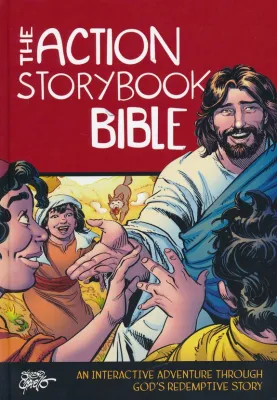
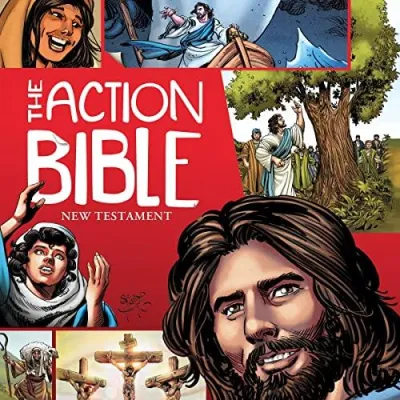
Prices are valid at publication and may change. Please refer to the product page for the latest price.
To ensure the visual tone and theological framing align with your family’s values, take time to review sample pages or publisher previews online. Many online bookstores and publishers offer a preview feature that displays several consecutive pages. Observing how key historical events are illustrated helps you determine if the artistic interpretation matches your educational and spiritual goals. This preview process is especially helpful in tropical climates where families often gather indoors during heavy monsoon rains, making a captivating book an excellent resource for quiet afternoon reading.
Evaluating Reading Level and Graphic Novel Format
Evaluating reading level for a graphic novel involves looking beyond simple word counts to examine how text and art interact. Start by comparing the vocabulary and sentence structure used in the book’s dialogue bubbles and captions with your child’s current independent reading materials. While the visual format makes the book highly accessible, the actual vocabulary often includes historical terms, geographical names, and mature sentence structures that require a solid foundation in reading fluency.

The graphic novel layout presents unique cognitive demands that differ significantly from traditional paragraph-based books. A reader must navigate speech bubbles, narrative captions, and sequential panels in a specific order to fully comprehend the storyline. This multi-directional reading flow requires visual literacy—the ability to interpret facial expressions, background action, and panel transitions simultaneously. For some children, this layout enhances comprehension by providing immediate visual context clues for difficult words.
For other readers, however, the busy layout can occasionally become a distraction, leading them to skip the text entirely in favor of looking at the pictures. You can observe your child’s readiness by introducing them to a short comic strip or a similar illustrated story. Watch whether they naturally track the narrative sequence from left to right and top to bottom, or if they struggle to connect the dialogue with the characters. Ensuring they can comfortably synthesize these visual and textual elements will help them absorb the deeper meaning of the text.
Pre-Purchase Checks for Editions and Physical Specs
Before finalizing your purchase on an ecommerce platform or at a local bookstore, it is essential to verify the exact edition, language, and publication year. Over the years, various editions, companion volumes, and devotional spin-offs have been released under similar titles. Carefully reading the product description ensures you are purchasing the primary narrative volume rather than a study guide, a coloring book, or a highly condensed version. Additionally, check that the translation or language matches your child’s primary language of instruction to prevent reading frustration.
The physical specifications of the book are equally important, especially for younger readers who may find heavy volumes difficult to handle. This publication is known for being quite thick and substantial, containing hundreds of fully illustrated pages. Check the listed dimensions and weight to determine if your child can comfortably hold the book while reading in bed, at a desk, or during family travel. A book that is too heavy may end up sitting on a shelf rather than being read regularly.
Consider the binding type carefully in relation to your child’s reading habits and your local environment. Hardcover editions offer excellent structural durability, protecting the pages from bending and wear during frequent handling. In warm, humid tropical environments, high-quality bindings are crucial for preventing pages from warping or loosening over time. If you plan to pack the book in a school bag or take it on outdoor trips, a sturdy hardcover provides the necessary resilience, while a lighter paperback might be preferred for easy carrying if your child is gentle with their belongings.
Exploring Alternatives if It Is Not the Right Fit
If your assessment reveals that this specific graphic adaptation is not the ideal match for your child’s current developmental stage, several excellent alternative formats are available. For children who already enjoy standard chapter books and possess strong independent reading skills, a traditional text-based children’s Bible might be more appropriate. These editions often feature simplified translations of the complete text, organized into standard chapters and verses, which helps build familiarity with traditional scriptural layouts without the potential distraction of comic-style panels.
For younger children or those who find the dense panel layouts of graphic novels visually overwhelming, a classic picture-book Bible is often a better starting point. These volumes typically feature large, gentle illustrations paired with short, simplified paragraphs of text. This format allows younger readers to focus on one central concept per page, making it easier to digest the narrative during bedtime reading or quiet family moments.
Conversely, older pre-teens and teenagers who have outgrown highly illustrated adaptations may benefit more from a standard youth study Bible. These editions transition away from comic-style illustrations, instead offering the complete biblical text supplemented by age-appropriate study notes, historical context, and practical application guides. Choosing a format that aligns precisely with your child’s current reading level ensures they remain engaged and motivated to read independently.
Frequently Asked Questions (FAQ)
Does The Action Bible include every book and story from the Bible?
Graphic adaptations are designed to emphasize chronological narrative flow, which means they do not contain the complete, word-for-word text of every biblical book. To maintain an engaging pace, these editions typically summarize or omit sections that do not follow a direct historical storyline, such as complex poetic books, detailed genealogical records, and specific pastoral letters. The focus remains primarily on the historical narratives, heroic accounts, and key events of both the Old and New Testaments. If you are looking for a specific historical account or teaching, it is highly recommended to review the publisher’s table of contents or online product previews before purchasing to confirm which stories are included.
Can this book replace a standard Bible for daily reading?
While this illustrated volume is an exceptionally engaging tool for introducing children to biblical history, it is best utilized as a supplementary reading resource rather than a permanent replacement for a standard Bible. The dynamic illustrations and simplified dialogue serve to spark interest and build a foundational understanding of the overarching narrative. As your child’s reading fluency and comprehension mature, you can use their interest in the graphic format to transition them toward standard text translations. Combining the illustrated stories with occasional readings from a standard translation helps bridge the gap, preparing them for deeper study and independent reading in the future.
Community discussion
Share your experience or ask a question. Comments are reviewed before publication.