
Robert Greene’s The 48 Laws of Power remains a highly debated title on corporate reading lists and social media feeds. For Filipino professionals navigating the complex waters of office politics, corporate hierarchies, and career advancement, the book offers a tempting promise: a master key to understanding influence and protecting oneself from workplace manipulation. However, its cold, calculating, and often ruthless strategies can feel deeply jarring when placed alongside the deeply relational and collaborative nature of local office culture. Deciding whether to invest your time and money into this polarizing text requires looking past the online hype to evaluate how these historical laws translate to your daily professional life.
In the Philippines, career growth is rarely a solo pursuit driven purely by strategic dominance. Instead, professional success is intricately tied to interpersonal harmony, mutual respect, and collective trust. While Greene’s work provides an eye-opening look at the darker side of human ambition, applying its laws literally can easily backfire in a workplace that highly values community and smooth interpersonal relations. To determine if this book is truly worth reading, you must weigh its educational value as a defensive shield against its potential to damage your professional reputation if its tactics are misapplied.
Understanding the Core Concepts Behind the Hype
To evaluate the book fairly, you must first understand what The 48 Laws of Power actually is—and what it is not. Published in the late 1990s, the book compiles historical anecdotes spanning thousands of years, drawing from the strategies of figures like Niccolò Machiavelli, Sun Tzu, and various historical monarchs. Greene uses these stories to illustrate 48 distinct “laws” that govern the acquisition, maintenance, and defense of power. The book is structured around dramatic historical narratives, making it an engaging, almost theatrical exploration of human psychology and ambition.
Products mentioned in this guide



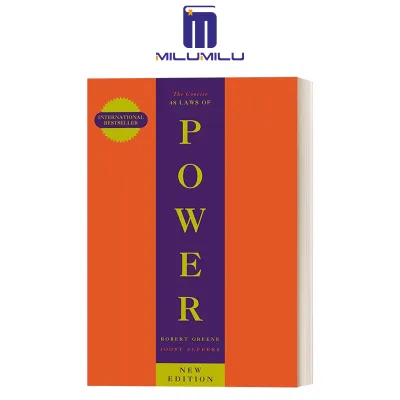


Prices are valid at publication and may change. Please refer to the product page for the latest price.
A common mistake among modern readers is treating the book as a literal, step-by-step instruction manual for the modern corporate office. Greene’s analysis is primarily descriptive, meaning he observes how power has historically been wielded rather than prescribing how ethical professionals should behave today. The original target audience was not necessarily the mid-level corporate manager or the creative professional, but rather individuals seeking to understand the timeless, often harsh realities of competitive environments.
Its resurgence on social media platforms has repackaged these historical lessons into bite-sized, highly competitive career advice. This modern framing often strips away the historical context, presenting ruthless self-interest as the only path to professional survival. For a discerning reader, the value lies not in adopting these laws as a personal code of conduct, but in recognizing when others might be using these tactics against you.
Evaluating Relevance in the Filipino Workplace Context
When you bring The 48 Laws of Power into the Filipino professional landscape, you immediately run into a cultural mismatch. Traditional corporate environments in the country are heavily anchored in respect for hierarchy, seniority, and age. Laws that advocate for outshining the master or subtly undermining authority figures can be incredibly risky. In local offices, challenging a superior too directly or failing to show proper deference—often expressed through polite language and indirect communication—can permanently stall a career, regardless of your technical competence.

Furthermore, the core of Filipino workplace culture revolves around pakikisama, or the preservation of smooth interpersonal relations. Collaborative success, shared goals, and a sense of community (bayanihan) are highly prized. Many of Greene’s laws, such as “Keep Others in Suspense” or “Pose as a Friend, Work as a Spy,” directly contradict these values. If you operate with a mindset of constant suspicion and strategic isolation, your colleagues will quickly sense the lack of sincerity, leading to exclusion from key projects and collaborative networks.
To make this book useful, you must apply a strict cultural filter. Instead of viewing the laws as tools for manipulation, reframe them as exercises in boundary-setting and strategic awareness. For example, Law 9 (“Win through your Actions, Never through Argument”) aligns beautifully with professional professionalism, encouraging you to let your high-quality work speak for itself rather than engaging in draining office disputes. Similarly, understanding how information can be manipulated helps you protect your own projects and intellectual contributions without resorting to underhanded tactics.
Red Flags: When the Book Might Do More Harm Than Good
Applying the more aggressive laws in a highly collaborative or transparent environment is a recipe for professional disaster. In close-knit teams where open communication is vital, attempting to create artificial scarcity or playing colleagues against one another will be noticed quickly. Once your team members perceive you as manipulative or untrustworthy, rebuilding those professional bridges is exceptionally difficult, especially in local industries where professional circles are relatively small and everyone seems to know everyone else.
Your professional reputation is your most valuable asset. In a culture where word-of-mouth recommendations and personal trust drive career transitions, being labeled as overly calculating or self-serving can follow you from one company to the next. If you find yourself tempted to use deceptive tactics to secure a promotion or sideline a rival, it is a clear sign to pause. Such actions often indicate a toxic work environment or a lack of healthy mentorship, neither of which can be solved by adopting a Machiavellian persona.
If your daily work life requires constant defensive maneuvering and strategic posturing just to survive, the solution is rarely to become more ruthless. Instead, it may be time to evaluate whether your current workplace aligns with your personal ethics and long-term career goals. Relying on manipulation to maintain your position is exhausting and unsustainable, eventually leading to burnout and a fractured professional network.
Checking Editions, Formats, and Availability Before You Buy
If you decide that the book is worth adding to your reading list, choosing the right format can significantly impact how much value you extract from it. For professionals facing long daily commutes through heavy city traffic or waiting in transit lines, the audiobook format can turn wasted hours into productive learning time. However, because the book is dense with historical references, an e-book or physical copy might be better suited for those who prefer to highlight key passages, take notes, and reflect on the material at their own pace.
When purchasing digital copies, always verify the publisher, language, and regional compatibility to ensure the file will open seamlessly on your preferred e-reader or mobile application. Imported physical books can sometimes vary in print quality and paper type, which is worth keeping in mind if you are a collector who values a durable, high-quality volume that can withstand tropical humidity.
You will also need to choose between the unabridged and abridged editions. The unabridged version contains the full historical narratives, fables, and detailed interpretations, which are crucial for understanding the context behind each law. The abridged version, often pocket-sized, strips away the historical storytelling to present only the core laws and brief explanations. If you are short on time and want a quick reference guide, the abridged version is highly efficient; however, if you want to truly analyze the psychology behind the strategies, the unabridged edition is the more comprehensive choice.
Alternative Books for Practical Career Growth
For readers who find Greene’s cynical view of human nature unappealing or counterproductive, several alternative genres offer practical, constructive career guidance. Books focusing on emotional intelligence, empathetic leadership, and assertive communication provide tools for navigating office politics without sacrificing your personal integrity. These resources teach you how to build strong alliances, negotiate effectively, and establish healthy boundaries based on mutual respect rather than dominance.
When selecting an alternative, consider your current career stage and the specific challenges you face. If you are a newly promoted manager, look for titles that emphasize team cohesion, psychological safety, and collaborative problem-solving. If you are an entry-level professional looking to build confidence, focus on books that teach assertive communication and career planning, ensuring you build a solid foundation of trust and competence from the very start of your professional journey.
Frequently Asked Questions (FAQ)
Is 'The 48 Laws of Power' banned in any professional settings?
While the book is famously banned in several high-security prisons due to concerns over behavioral manipulation, it is not officially banned in corporate offices or professional organizations. However, some progressive companies and leadership development programs actively discourage its promotion, preferring frameworks that champion transparency, diversity, and psychological safety. Ultimately, reading the book is a matter of personal discretion, but openly displaying it on your office desk might send the wrong message to your peers and superiors about your professional philosophy.
Should I read the abridged or unabridged version?
Your choice depends entirely on your learning style and available time. The unabridged version is highly recommended if you enjoy historical biographies and want to understand the deep psychological context of each law. If you find long historical anecdotes tedious and simply want a straightforward, highly portable summary of the core concepts to read during a quick break, the abridged pocket edition is a practical and time-saving alternative.
Where can I find authentic copies locally?
Authentic physical copies of the book can be found at established national bookstore chains across the country, as well as their official storefronts on major e-commerce platforms. To avoid counterfeit editions, which often suffer from poor binding, missing pages, and typographical errors, look for verified seller badges or purchase directly from authorized digital book retailers. Buying from reputable sources ensures you receive a complete, high-quality edition that will last for years on your bookshelf.

Community discussion
Share your experience or ask a question. Comments are reviewed before publication.