
Deciding whether to invest your time and money in a new self-help book can be challenging, especially when social media is flooded with productivity trends. “The 1 Percent” book offers a compelling premise: that making tiny, incremental improvements every day can lead to massive personal and professional transformations over time. For readers in the Philippines, where daily life presents unique systemic challenges—from unpredictable transport schedules to deep-seated family obligations—the promise of small, manageable adjustments is highly appealing. Instead of demanding a complete lifestyle overhaul, this philosophy suggests that optimizing just one percent of your daily routines can lead to significant long-term success.
However, the true value of any personal growth guide depends entirely on your willingness to bridge the gap between reading and doing. This guide breaks down what the book actually teaches, how to apply its concepts within the local cultural landscape, and how to make an informed purchasing decision.
Core Concepts vs. Marketing Hype: What the Book Actually Teaches
To make a smart decision, you must first separate the core teachings of self-help literature from the loud promotional campaigns that surround them. The fundamental premise of the “1% improvement” or “marginal gains” philosophy is rooted in the mathematical power of compounding. If you improve by just one percent every day for a year, those small changes accumulate into a massive shift over twelve months. In the context of personal growth, this means shifting your focus away from massive, intimidating goals and placing it entirely on your daily systems and habits.
Products mentioned in this guide
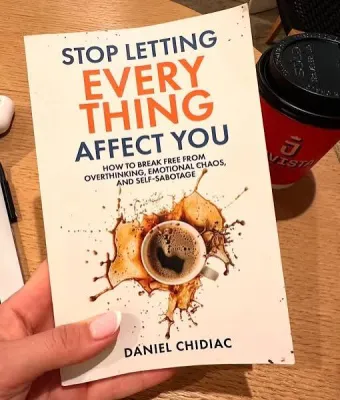
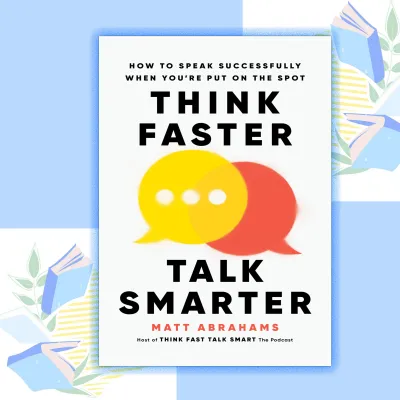

Prices are valid at publication and may change. Please refer to the product page for the latest price.
However, the self-help publishing industry frequently wraps these straightforward concepts in aggressive marketing hype. Terms like “the top 1% mindset” or “the ultimate success blueprint” are designed to trigger impulse buys by promising rapid, effortless transformations. Social media platforms are often filled with aesthetic photos of books next to coffee cups, accompanied by vague, motivational captions that do not reflect the actual depth of the text. To avoid falling for empty packaging, you must look closely at the book’s actual structure.
Before handing over your money, practice due diligence by inspecting the book’s framework. If you are browsing in a brick-and-mortar bookstore or viewing a preview on an ecommerce platform, turn to the table of contents, the introduction, and the index. A truly valuable personal development book will provide organized, step-by-step methodologies, self-assessment questionnaires, or practical templates. If the chapters consist primarily of repetitive anecdotes about wealthy individuals without explaining how to replicate their discipline, the book may rely more on motivational fluff than actionable instruction.
Your primary goal should be to verify whether the text addresses real, practical needs—such as breaking down complex projects, managing daily distractions, or maintaining consistency. If a book promises overnight success, immediate financial freedom, or effortless behavior changes, it is using marketing hyperbole. Real personal growth requires consistent, often tedious daily effort, and a high-quality guide should serve as a realistic, practical manual for that process rather than a collection of superficial promises.
Who Should Read It? Identifying Your Personal Growth Needs
Determining whether a self-help book is worth your time requires a clear assessment of your current life stage and personal development needs. The ideal reader for an incremental growth guide is someone who struggles with consistency. If you often experience a cycle where you start a new routine with high enthusiasm—such as a new exercise program, a study schedule, or a savings plan—only to abandon it after a couple of weeks due to exhaustion, the 1% approach is highly relevant. It is designed for those who need to build sustainable habits without overwhelming their already busy schedules.

This book is also highly beneficial for individuals who feel they have hit a plateau in their career, studies, or personal projects. When major changes seem too daunting or risky to implement, focusing on tiny, low-stakes adjustments can help you regain momentum. It teaches you to value the quiet, daily progress that eventually leads to significant breakthroughs, making it a great fit for patient, detail-oriented readers.
Conversely, certain readers will find very little value in this methodology. If you are looking for rapid, high-risk strategies to completely overhaul your financial situation or career in a matter of weeks, a book focused on slow compounding will feel incredibly frustrating. It is also not suited for those who prefer deeply scientific, academic, or peer-reviewed behavioral psychology texts. If you require dense data charts, neurological research, or clinical trial documentation to trust a methodology, a mainstream self-help book will likely feel oversimplified.
Additionally, if you have already read extensively in the productivity genre and have successfully implemented advanced time-blocking, habit-stacking, and systems-building routines, the concepts here may feel highly redundant. The ultimate value of any personal growth book depends entirely on your willingness to execute. If you read it merely as a form of passive entertainment or “productive procrastination”—feeling like you are making progress simply by reading about it—the book will not deliver any real results.
Applying the '1 Percent' Mindset in the Philippines
Universal self-help principles are often written from a Western perspective, assuming a level of control over one’s environment that may not align with daily life in the Philippines. To make these concepts work locally, you must actively adapt them to your specific cultural, economic, and physical realities. For example, standard time-management advice often assumes a highly predictable schedule, which is difficult to maintain when you are dealing with unpredictable, multi-hour commutes in major urban areas or navigating sudden rainy-season downpours.
To apply the 1% rule in this context, you need to focus on micro-habits that fit into the cracks of your day. Instead of trying to find a solid, uninterrupted two-hour block for self-improvement, look for tiny pockets of time during your daily transit. A 1% improvement could mean using a thirty-minute jeepney or bus ride to listen to an educational podcast, review vocabulary flashcards on your phone, or read a chapter of an e-book. By shifting your focus to these small, adaptable windows, you can turn otherwise stressful transit time into a productive habit.
Another unique factor is the deeply collective nature of Filipino family life. In close-knit households, personal time is often limited, and setting rigid boundaries to work on solo projects can sometimes be misunderstood by family members. Rather than attempting to isolate yourself completely, a more practical 1% adjustment might involve waking up thirty minutes before the rest of the household to enjoy quiet, focused time. Alternatively, you could involve your family in your goals, such as setting a shared daily quiet hour or working alongside your siblings or children as they study.
Local economic realities also require a realistic approach to resource allocation. Many self-help books recommend investing in expensive productivity tools, premium software subscriptions, or high-end gym memberships. In the Philippines, where budgeting is a critical daily practice, you should focus on low-cost or free alternatives. Use free digital note-taking apps, utilize local community spaces, or create simple paper-and-pen tracking systems.
Before fully committing to the entire philosophy or buying any supplementary materials, test the compounding concept with a simple, low-risk experiment in your daily routine. Choose one tiny action that takes less than five minutes and commit to doing it every day for a single week. This could be saving exactly ₱50 daily, drinking a glass of water immediately after waking up, or writing down your top three priorities for the day before checking social media. Tracking this single, micro-habit will demonstrate the power of consistency in your actual environment before you invest further.
Buying Guide: Verifying the Edition, Author, and Format
If you decide that this book aligns with your goals, your next step is to ensure you purchase the correct, high-quality edition. The self-help category is notorious for having books with highly similar or identical titles, often playing on phrases like “The 1%”, “One Percent”, or “The 1 Percent Mindset.” To avoid buying the wrong text, always verify the exact author’s name, the publisher, and the publication year before completing your purchase. Never infer the actual contents of an edition solely from its cover design or promotional title.
You must also carefully consider which format best suits your daily habits and reading preferences:
- Physical Books: Highly recommended if you learn best by highlighting key passages, writing notes in the margins, and physically turning pages. They provide a valuable screen-free experience, which is essential if your job requires you to stare at a computer monitor all day. However, keep in mind that physical books can be heavy to carry during long commutes, and they require proper storage to protect them from the high humidity of the tropical climate.
- E-books and Audiobooks: Offer unmatched portability and convenience. An audiobook is especially useful for multitasking, allowing you to learn while doing household chores, exercising, or walking. If you choose a digital format, always verify device compatibility, file formats, and check for any regional licensing restrictions that might prevent the file from opening in the Philippines.
Finally, protect yourself by purchasing only from authorized sellers, official brand stores, or reputable local bookstores. Online marketplaces are frequently flooded with cheap, unauthorized reprints or pirated digital copies. These illegal versions are often riddled with severe printing errors, missing pages, or poor formatting that makes reading difficult. Purchasing from legitimate sources guarantees you receive a complete, high-quality copy while supporting the author’s work.
When to Skip It: Alternative Self-Help Books to Consider
There are several clear conditions under which you should skip this book entirely. If you find that structured, advice-heavy guidebooks fail to keep you engaged, you will likely learn more effectively through narrative-driven biographies or memoirs of successful individuals. Similarly, if you want to understand the deep neurological mechanisms of how habits are formed rather than just receiving practical tips, you should seek out books written by clinical psychologists or neuroscientists.
If your goals are highly specific—such as learning how to manage personal finances, invest in the local stock market, or navigate the corporate ladder in Manila—a general mindset book may feel too broad. In those cases, looking for specialized financial guides or books written by local industry experts will provide more immediate, practical value.
If you decide to look elsewhere, consider established classics in the field of habit formation and incremental growth. Books like Atomic Habits by James Clear or Tiny Habits by BJ Fogg are excellent, globally recognized alternatives that focus heavily on the science and practice of small changes. Before making any purchase, make it a habit to read sample chapters online, watch brief video summaries, or read verified customer reviews to ensure the author’s tone and writing style truly resonate with you.
Frequently Asked Questions (FAQ)
Is 'The 1 Percent' suitable for beginners in self-help?
Yes, books focused on incremental improvement are generally highly accessible to beginners because they do not require complex prior knowledge. However, before purchasing, you should read the book’s introduction or preview the first chapter to confirm that the author’s tone is easy to follow and does not rely heavily on advanced business or corporate jargon.
Can I apply the 1% improvement rule to my local career or business?
Absolutely, the concept of marginal gains is highly applicable to professional growth and business operations in the Philippines. To make it work, you must adapt the metrics and goals to your specific local industry standards. Focus on small, manageable adjustments—such as improving your response time to client inquiries by ten minutes, organizing your daily task list before starting work, or dedicating twenty minutes a week to networking within local professional groups.
Community discussion
Share your experience or ask a question. Comments are reviewed before publication.