
Deciding whether to buy a physical copy of a popular web novel like ‘Never Lie’ requires looking past online hype to evaluate its true value as a print book. For dedicated fans of the story and collectors of local Wattpad-to-print adaptations, owning a tangible copy offers a satisfying connection to the narrative and a beautiful addition to a bookshelf. However, casual readers or those on a tight budget must weigh the cost against their actual reading habits, the quality of the print edition, and the challenges of maintaining physical books in a tropical climate. Ultimately, the decision to purchase comes down to whether the physical book provides a significantly enhanced experience over its digital counterpart.
Understanding the Wattpad-to-Print Trend Behind 'Never Lie'
The literary landscape in the Philippines has experienced a massive shift over the past decade, driven largely by the transition of digital web novels to physical bookshelves. Stories that begin as serialized chapters on platforms like Wattpad often amass millions of virtual reads, catching the attention of local publishers eager to tap into established fanbases. This trend has democratized publishing, allowing online writers to see their work bound in paperback and distributed nationwide.
However, this rapid transition from screen to paper means readers must learn to separate genuine literary engagement from social media marketing hype. Algorithms on popular video-sharing apps and online forums are highly effective at promoting dramatic snippets, emotional quotes, or specific romantic tropes, which can create an exaggerated sense of a book’s overall quality. A story that excels in short, daily digital updates may feel very different when read as a continuous, multi-hundred-page physical novel.
Products mentioned in this guide
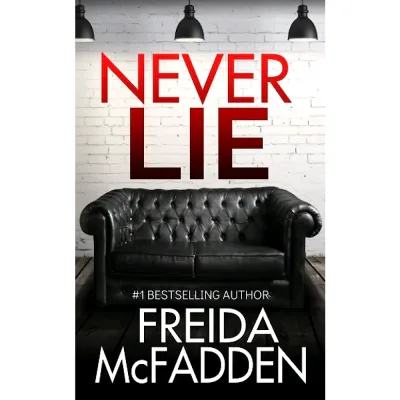
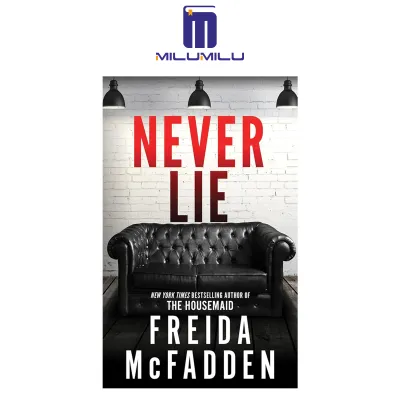
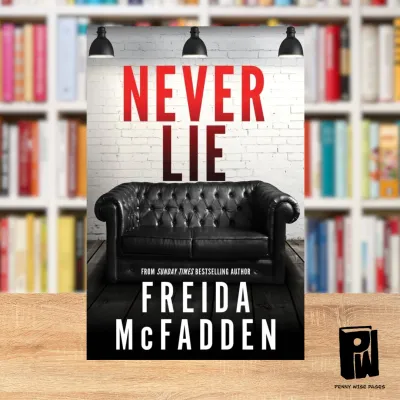
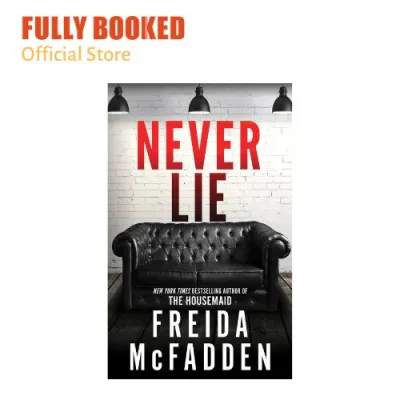
Prices are valid at publication and may change. Please refer to the product page for the latest price.
When purchasing an adapted web novel, setting realistic expectations regarding pacing, tropes, and editing is essential. Online serialization often encourages fast-paced, cliffhanger-heavy writing designed to keep digital subscribers clicking, which can translate to repetitive plot cycles or uneven pacing in a printed book. Understanding these structural differences helps you approach the physical edition with a clear mind, appreciating the story for its unique origins rather than expecting a traditional literary structure.
Evaluating the Physical Edition: What to Verify Before Checkout
Before you head to the checkout counter or finalize your online order, taking the time to verify the specific details of the physical edition can save you from buyer’s remorse. Publishers frequently release different versions of popular web novels, ranging from the initial self-published print runs to professionally edited mass-market paperbacks. It is highly beneficial to check whether the edition you are buying has undergone a thorough editorial revision or if it simply replicates the raw online manuscript.

A professionally edited edition is generally worth the investment, as editors work to correct grammatical errors, smooth out awkward phrasing, and resolve minor plot holes that may have slipped through during the rapid pace of online writing. Some publishers explicitly state on the copyright page or back cover if the text has been revised or expanded for the print release. If you prefer the unedited, nostalgic feel of the original online draft, verifying this detail ensures you get exactly what you expect.
Physical print quality is another critical factor to inspect, especially when shopping in physical retail stores. Take a moment to examine the paper stock, as some budget editions use thin, highly acidic newsprint that degrades quickly, while others utilize durable cream paper that is much easier on the eyes. Check the font size and line spacing to ensure the text is comfortable to read under standard lighting conditions without causing eye strain.
Finally, look for exclusive physical bonuses that add tangible value to the print edition. Publishers often entice readers by including special author notes, exclusive bonus chapters, character illustrations, or collectible bookmarks inside the book. These additions can make the physical copy feel like a true collector’s item, justifying the retail price and providing fresh content that cannot be found on free digital platforms.
Print vs. Digital: Is the Physical Copy Right for You?
Choosing between a physical paperback and a digital version involves assessing how you interact with books and how much you value tangible ownership. A physical copy offers a sensory experience that digital screens cannot replicate, from the smell of the paper to the satisfaction of physically turning pages. For many, displaying a beautifully designed spine on a bedroom shelf is a source of pride and a reflection of their personal identity as a reader.
If you are someone who loves to personalize your reading experience, a physical book is undoubtedly the superior medium. You can use highlighters, colorful sticky tabs, and margin notes to document your emotional reactions, track character development, or preserve your favorite quotes. This active form of reading turns the book into a highly personal keepsake, which also makes it a deeply thoughtful and customized gift for a close friend or fellow book lover.
However, practical considerations must be taken into account, particularly regarding the tropical climate in the Philippines. High humidity levels, sudden temperature shifts, and seasonal rains can cause paperback pages to warp, yellow, or develop mold if they are not stored in a cool, dry place. If you lack the space or the proper storage solutions—such as airtight plastic bins or dedicated bookshelves away from direct sunlight—maintaining a physical collection can become a stressful chore.
For readers who prioritize convenience, portability, and budget, sticking to the digital version is often the most sensible path. Reading on a smartphone, tablet, or e-reader allows you to carry an entire library with you during long daily commutes without adding weight to your bag. If the story is still available to read for free online, saving your money for other essential expenses is a highly practical choice that does not compromise your enjoyment of the narrative.
Avoiding Fakes: How to Verify Authenticity and Buy Safely
The immense popularity of Wattpad-to-print titles has unfortunately made them prime targets for counterfeiters, resulting in a flood of unauthorized, pirated copies on various online marketplaces. Purchasing a counterfeit book not only deprives the author and the local publishing house of their hard-earned revenue, but it also leaves you with an inferior product that can ruin your reading experience. Knowing how to spot these fakes is essential for any smart book buyer.
Authentic books are manufactured using professional printing standards, which are easily distinguishable if you know what to look for. Genuine copies feature crisp, high-resolution cover art with vibrant colors, sturdy and even binding, and clean, precisely cut page edges. In contrast, pirated copies often have blurry or pixelated cover images, uneven margins, and weak glue bindings that cause pages to fall out after only a single reading session.
Another reliable way to verify authenticity is by inspecting the book’s internal details. Check the copyright page for a valid International Standard Book Number (ISBN) and look for the official logo of the registered publisher on both the spine and the title page. Counterfeiters frequently omit these details, print them with noticeable typos, or use low-quality, greyish paper that makes the text difficult to read.
To guarantee that your money goes toward a genuine copy, always purchase from authorized sellers. Stick to established physical bookstore chains or their verified flagship stores on major ecommerce platforms. Be highly skeptical of listings that offer the book at a fraction of its standard retail price, as unusually cheap books are almost always unauthorized reproductions.
The Final Verdict: Who Should Actually Buy the Physical Book?
The physical edition of ‘Never Lie’ is a worthwhile purchase for a specific group of readers. If you are a dedicated fan of the story who has already enjoyed it online and wants to support the author, owning the print copy is a meaningful way to show your appreciation. It is also highly recommended for avid book collectors who love the aesthetic appeal of a physical library and those who enjoy the tactile process of annotating their favorite scenes.
Conversely, casual readers who are simply curious about the online hype or those who are highly sensitive to typical web novel tropes should probably skip the print edition. If you are on a tight budget, spending your money on a physical book without knowing if you will enjoy the writing style can lead to unnecessary financial regret.
Before committing your funds, a wise approach is to read a sample chapter online or seek out detailed, spoiler-free reviews from trusted members of the local reading community. This allows you to evaluate the prose, pacing, and tone firsthand, ensuring that your investment in a physical copy is one you will truly cherish.
Frequently Asked Questions (FAQ)
Is the physical book different from the original online version?
Yes, physical editions of web novels almost always undergo a professional editing process before publication. This process typically involves correcting grammatical errors, refining dialogue, and adjusting the pacing to suit a traditional book format. Additionally, publishers often include exclusive content in the print edition, such as bonus chapters, author interviews, or special illustrations, to provide extra value for buyers. To know exactly what changes have been made, it is best to check the publisher’s official product description or social media announcements.
How can I tell if my copy is a pirated version?
You can identify a pirated copy by checking for several common physical defects. Counterfeit books often have blurry, low-resolution cover art, unevenly cut pages, and weak glue bindings that cause the book to fall apart easily. The text inside is frequently printed on thin, low-grade grey paper with inconsistent ink levels, resulting in faded or smudged words. Finally, pirated copies often lack official publisher logos, have missing or incorrect copyright pages, and omit the standard ISBN barcode on the back cover.
Community discussion
Share your experience or ask a question. Comments are reviewed before publication.