
Is 'Grit' Worth Reading? The Short Answer
Yes, Angela Duckworth’s Grit: The Power of Passion and Perseverance is highly worth reading, but its value depends heavily on your current life stage and personal development goals. If you are navigating a major career transition, preparing for a rigorous professional licensure exam, or building a long-term venture, this book offers a powerful framework to help you sustain your efforts when initial excitement fades. It shifts the focus away from the limiting belief that success is determined solely by natural talent, offering instead a reassuring, effort-centric path to achievement.
However, if you are currently seeking immediate, day-to-day productivity hacks, rapid time-management templates, or solutions to acute burnout, this book may feel too theoretical. It is a foundational mindset book rather than a quick-fix manual. For readers in the Philippines who are balancing demanding careers, long daily commutes, or competitive academic environments, Grit provides the mental stamina required for the long haul, provided you are ready to invest the time in deep self-reflection.
What You Will Learn: The Core Concepts of Grit
At the heart of the book is a simple yet profound shift in how we view achievement. Duckworth challenges the traditional obsession with natural talent by introducing two basic equations that highlight the compounding power of effort:
Products mentioned in this guide
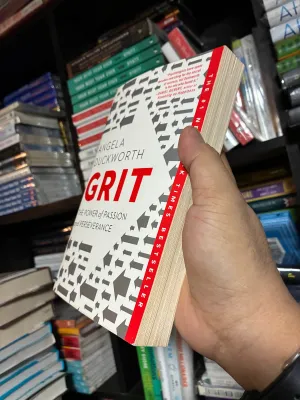
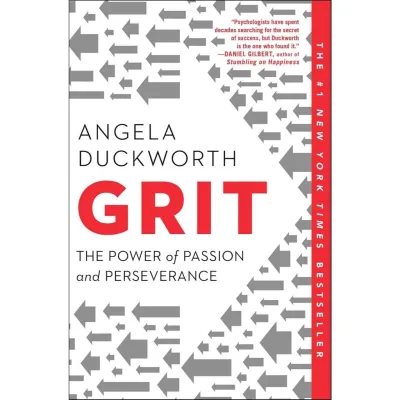

Prices are valid at publication and may change. Please refer to the product page for the latest price.

- Talent × Effort = Skill
- Skill × Effort = Achievement
These equations demonstrate that while talent determines how quickly your skills improve when you invest effort, achievement only happens when you apply those skills with continued effort. In essence, effort counts twice. This perspective is incredibly empowering for anyone who has ever felt overlooked or outmatched by naturally gifted peers in school or the workplace.
To help readers cultivate this quality, the book outlines four distinct psychological assets that gritty individuals develop over time:
- Interest: Developing a deep passion for your chosen field by exploring and deepening your curiosity.
- Practice: Engaging in deliberate, focused practice every day to improve on your specific weaknesses.
- Purpose: Connecting your daily work to a larger, meaningful goal that contributes to the well-being of others.
- Hope: Maintaining a resilient growth mindset that allows you to view setbacks as temporary learning opportunities rather than permanent failures.
Crucially, the book clarifies that grit is not about blind stubbornness, toxic hustle culture, or ignoring your physical and mental well-being. True grit involves strategic flexibility. It means staying committed to your ultimate, high-level life goals while remaining willing to adapt, pivot, or abandon low-level daily tactics that are no longer working.
Who Will Benefit Most (And Who Should Skip It)
Understanding where you stand in your personal and professional journey will help you determine if this book is the right investment for your bookshelf.
Ideal Readers
- Board Exam Reviewees and Students: If you are facing months of grueling preparation for local board exams—such as engineering, accountancy, or medicine—where daily discipline is far more critical than initial academic standing, this book will help you build a sustainable study routine.
- Aspiring Entrepreneurs and Freelancers: Navigating a highly competitive digital economy requires immense resilience. If you are building a local online business or launching a freelance career, the book’s insights on perseverance will help you push through the quiet, unprofitable early months.
- Mid-Career Professionals: If you feel stuck in your current role and are contemplating a long-term career pivot that requires learning entirely new skills from scratch, Duckworth’s framework offers a clear roadmap for skill acquisition.
Who Should Skip It
- Those Experiencing Severe Burnout: If you are physically and emotionally exhausted from overwork, you do not need a book telling you to push harder. Your immediate priority should be rest, recovery, and professional mental health support.
- Tactical Seekers: If you want a step-by-step guide on how to organize your digital calendar, build a morning routine, or use specific productivity apps, you will find the high-level psychological focus of this book too abstract.
- Individuals Facing Purely Systemic Obstacles: While the book is highly motivating, it focuses almost exclusively on individual psychology. If your primary challenges are structural, economic, or institutional, a book centered solely on personal effort may feel incomplete.
How to Apply the 'Grit' Framework to Your Personal Goals
Translating the theories in Grit into daily action requires a deliberate approach to your personal development.
First, assess your current strengths and weaknesses by reflecting on the four psychological assets. You might find that while your interest in a project is incredibly high, your commitment to structured, daily practice is lacking. Identifying this gap allows you to focus your energy where it is needed most, rather than trying to fix everything at once.
Second, integrate deliberate practice into your daily routine. This means breaking down your larger goals into highly specific micro-skills. For example, instead of simply practicing public speaking, focus specifically on mastering your vocal pacing or transition phrases during a dedicated thirty-minute session. In a busy household or a warm tropical afternoon, this might require waking up early before the household stirs or finding a quiet, air-conditioned corner where you can focus without interruption.
Finally, establish clear boundaries to protect yourself from the sunk-cost fallacy. Gritty individuals do not stick to failing projects out of sheer pride. Regularly evaluate whether your daily tasks (your low-level goals) are still serving your ultimate career or life vision (your high-level goal). If a specific business model or study method is no longer viable, it is entirely acceptable to pivot, provided your overarching compass remains pointed in the right direction.
Buying Guide: Choosing the Right Format and Edition
When purchasing Grit, selecting the format that matches your lifestyle and reading habits will ensure you actually finish and apply the material.
- Physical Paperback or Hardcover: This is the traditional choice for active readers who prefer to highlight key passages, write notes in the margins, and keep a physical reminder of their goals on their desk. Because high humidity in tropical climates can cause physical pages to yellow or develop foxing over time, store your physical books in a well-ventilated, dry area away from direct sunlight.
- E-book (Kindle/Kobo): Highly convenient for daily commutes on public transit or during long traffic jams. An e-book allows you to carry the text everywhere, adjust the font size, and easily search for specific terms or equations without taking up physical space in your bag.
- Audiobook: Excellent for multitasking, such as listening during your morning workout or while doing household chores. However, because the book contains several charts, equations, and visual models, you may want to keep a digital notebook handy to jot down key concepts.
Before making a purchase, verify that you are buying the unabridged version of the book rather than a condensed summary. If you are purchasing a digital or audiobook format, double-check your account’s region compatibility to ensure seamless downloading. You can find physical copies of Grit at major local bookstores in the Philippines or through verified sellers on reputable online marketplaces, with prices typically ranging from ₱400 to ₱900 depending on the binding and edition.
Frequently Asked Questions (FAQ)
Is 'Grit' based on scientific research or just personal anecdotes?
Grit is built on a foundation of academic psychology research, longitudinal studies, and peer-reviewed data collected by Angela Duckworth during her tenure at the University of Pennsylvania. To make these scientific concepts accessible, she illustrates them using qualitative interviews with high achievers across various fields, including military cadets, spelling bee champions, and corporate leaders. Readers looking for the exact scientific methodologies and data sets can consult the extensive notes and bibliography section at the back of the book.
Are there better alternatives if I only want a quick summary?
If you are short on time or budget, you can find official summaries, educational animated videos, or listen to podcast interviews where the author explains the core concepts of passion and perseverance. While these shorter resources are excellent for understanding the basic grit equations, they lack the detailed case studies, historical examples, and nuanced psychological context that make the full-length book highly engaging and memorable.
Does the book address systemic barriers to success?
The book focuses almost exclusively on individual psychology, mindset, and personal effort. It does not deeply analyze how socioeconomic status, systemic inequality, or institutional barriers affect an individual’s path to success. For a well-rounded perspective on personal growth, readers should complement Grit with sociological or economic texts that address these structural factors.
Community discussion
Share your experience or ask a question. Comments are reviewed before publication.