
If you have just finished the adrenaline-fueled journey of Red Rising, you are likely standing at a literary crossroads. Deciding whether to invest your time and money into the sequel, Golden Son, depends on what you enjoyed most about the first book. The short answer is that Golden Son is not just a worthy successor; for many readers, it represents a massive leap forward in scale, complexity, and emotional stakes. It successfully sheds the localized, survival-game skin of the first novel and transforms the story into a sweeping, high-stakes space opera that justifies continuing the series.
While the first book confined its action to a closed training ground on Mars, the sequel blows the doors off the universe. This transition changes almost everything about how the story is told, from the pacing of the plot to the depth of the world-building. If you are trying to decide whether to purchase a copy or borrow one from a friend, understanding these structural shifts will help you make an informed choice.
How Golden Son Expands the Red Rising Universe
The most immediate change you will notice when starting Golden Son is the sheer scale of the setting. The localized, ground-level survival challenges of the Institute are replaced by a vast, multi-planetary theater of war. The story escapes the confines of Mars to explore the wider solar system, taking readers to the sovereign palaces of Luna, the high-tech shipyards of the solar rim, and the cold vacuum of space where massive fleet battles occur.
Products mentioned in this guide

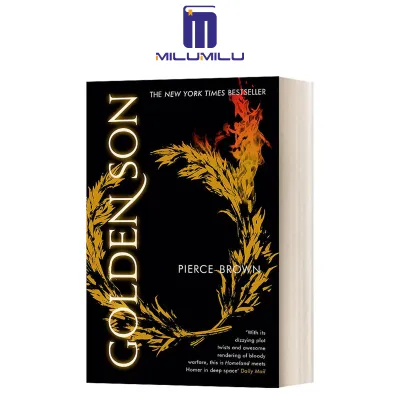
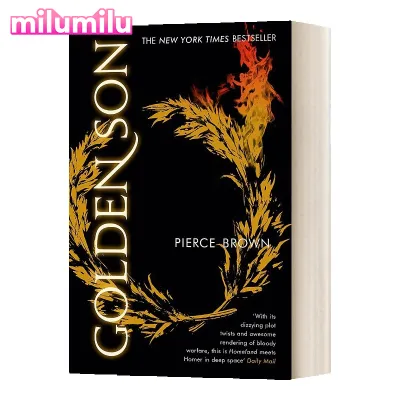
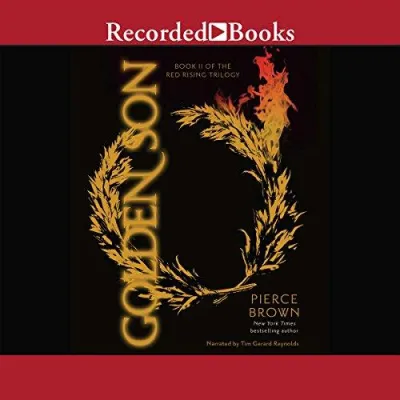
Prices are valid at publication and may change. Please refer to the product page for the latest price.
This geographical expansion directly correlates with a deeper exploration of the Society’s complex hierarchy. While the first book focused heavily on the internal dynamics of the Gold caste, the sequel introduces a much broader look at how the other Colors function within this dystopian empire. You will see how the Grays enforce order, how the Silvers manage the vast wealth of the planets, and how the Pinks and Obsidians are utilized by the ruling class. This detailed world-building makes the universe feel incredibly lived-in, dangerous, and politically fragile.
As the world expands, so do the responsibilities of the protagonist. Darrow is no longer a student fighting for top marks in a simulated war game; he is a Peerless Scarred navigating the highest echelons of Gold society. He must balance his secret mission for the Sons of Ares with his public persona as a rising military commander. The stakes are no longer about passing a test or surviving a rival house; they involve the liberation of billions of lives and the potential collapse of an entire civilization.
Furthermore, the sequel introduces new factions and power players that complicate the simple binary conflict of the first book. Instead of a straightforward rebellion against a singular oppressor, Darrow must navigate the shifting loyalties of ancient noble houses, corporate cartels, and rogue elements within the resistance itself. This added complexity ensures that the world feels dynamic and unpredictable, with every action carrying massive geopolitical consequences.
Shifts in Pacing, Tone, and Character Dynamics
The narrative rhythm of Golden Son represents a significant departure from its predecessor. Red Rising followed a relatively linear, progressive survival arc that mirrored classic battle-royale stories. In contrast, the sequel adopts a much faster, more volatile pace driven by political maneuvering, sudden betrayals, and large-scale military engagements. The story moves rapidly from quiet, tense diplomatic negotiations in gilded ballrooms to chaotic, high-tech space battles without warning.

This shift in pacing is accompanied by a much darker, more mature tone. The consequences of failure in the first book were academic expulsion or localized physical harm; in Golden Son, the cost of a single mistake is measured in planetary casualties and the destruction of entire families. The psychological weight of this reality presses heavily on the characters, leading to a narrative that feels emotionally exhausting but incredibly gripping.
Character relationships undergo dramatic transformations as old alliances fracture under the weight of ambition and secrets. Darrow’s dual identity forces him to constantly lie to those he cares about, creating a pervasive sense of paranoia. The bonds forged in the valleys of the Institute are tested by the harsh realities of adult society, leading to tragic misunderstandings and bitter rivalries. New characters are also introduced, offering complex foils to Darrow’s leadership style and forcing him to question who he can truly trust.
Finally, the book masterfully balances visceral action sequences with quiet, strategic tension. You will experience high-stakes political standoffs where a single spoken word can ruin a family’s legacy, immediately followed by boarding actions in the upper atmosphere of Mars. This constant oscillation between intellectual warfare and physical combat keeps the narrative engaging and prevents the political intrigue from ever feeling dry or slow.
Who Should Continue the Series and Who Might Want to Wait
To help you decide if this book is the right investment for your reading list, it is helpful to look at how your personal preferences align with the sequel’s design. Golden Son is an exceptional fit for readers who enjoy:
- Intricate Political Intrigue: If you love stories about shifting alliances, secret treaties, and characters playing a long-term game of chess against brilliant adversaries, this book will highly satisfy you.
- Grand-Scale Science Fiction: Readers who appreciate detailed space battles, advanced technology, and expansive planetary lore will find the world-building incredibly rewarding.
- Moral Ambiguity: The line between hero and villain becomes heavily blurred, making it perfect for those who prefer complex, flawed characters over simple archetypes.
Conversely, some readers might find the transition challenging. You might want to hesitate or adjust your expectations if you prefer:
- Self-Contained Survival Stories: If your favorite part of the first book was the low-tech, wilderness survival aspect of the Institute, the sudden jump to high-tech fleet command and senate politics might feel jarring.
- Lighthearted or Optimistic Narratives: The emotional toll on the characters is severe, and the story does not shy away from devastating losses. If you are looking for a comforting, low-stress read, this may not be the right time to start.
- Slow-Burn Character Studies: The relentless pacing means that some character developments happen amidst chaotic action, which may feel slightly rushed to readers who prefer quiet, slow-paced dramas.
Ultimately, if you are willing to embrace a story that trades its bows and arrows for starships and political daggers, the sequel offers a much grander and more satisfying experience than the opening volume.
What to Verify Before Buying or Borrowing Your Copy
When you are ready to acquire your copy of Golden Son, taking a few moments to verify the details of your purchase will ensure you get the best possible reading experience. This is especially important for readers in the Philippines, where book availability, formats, and printing editions can vary widely across different retailers.
First, pay close attention to the physical format and paper quality. Because of the tropical climate and high humidity in the Philippines, standard mass-market paperbacks printed on highly acidic paper are prone to rapid yellowing, warping, and foxing. If you plan to keep the book on your shelf for years, look for trade paperbacks or hardcovers, which typically use higher-quality, acid-free paper that resists humidity damage much better. When storing your books locally, keeping them in a well-ventilated area away from direct sunlight and using small silica gel packets on your shelves can help preserve the pages.
Second, verify the specific edition and publisher. The two most common editions available in local bookstores are the US edition (published by Del Rey) and the UK edition (published by Hodder & Stoughton). While the text of the novel remains identical, the cover art, spine design, and physical dimensions differ significantly. If you are a collector who prefers a matching set on your bookshelf, double-check that the publisher of your copy of Golden Son matches your copy of Red Rising before completing your purchase.
Third, if you prefer digital reading or audiobooks, verify device compatibility and regional licensing. When purchasing eBooks or audiobooks through international digital storefronts, ensure your account region allows access to the full, unabridged version of the title. Some digital platforms have regional restrictions that might prevent certain editions from syncing correctly with your e-reader or audiobook application.
Finally, ensure you are purchasing from authorized, reputable sources. While online marketplaces and third-party sellers offer tempting discounts, the market is flooded with unauthorized, low-quality reprints. These counterfeit copies often suffer from missing pages, blurry text, poor binding that falls apart after a single reading, and chemical-smelling ink. To guarantee you are getting an authentic, complete, and durable copy, purchase directly from established physical bookstores like Fully Booked, or from the official, verified online storefronts of major local distributors. Prices for genuine trade paperbacks typically range from ₱600 to ₱950, and investing in an authorized copy ensures your money supports the creator while providing a clean, readable text.
Frequently Asked Questions (FAQ)
Do I need to reread Red Rising before starting Golden Son?
You do not necessarily need to do a full reread of the first book, especially if you finished it within the last few months. Golden Son begins with a brief time jump, but the opening chapters naturally reintroduce key characters, past conflicts, and the current state of the world. If it has been a year or more since you read the first installment, reading a quick online plot summary or reviewing a character glossary will easily bring you up to speed without requiring you to spend time rereading the entire first novel.
Is Golden Son the end of the story, or does the series continue?
Golden Son is the second book in the original Red Rising trilogy, which concludes its immediate story arc in the third book, Morning Star. However, the broader saga continues well beyond the original trilogy into a second sub-series that expands the universe even further. Because of this structure, you should expect Golden Son to end on a massive, dramatic cliffhanger that leaves the central conflict unresolved, making it highly likely that you will want to have the third book ready to read immediately afterward.
Are there major content or trigger warnings for Golden Son?
Yes, the sequel increases the intensity of the mature themes present in the first book. It features graphic descriptions of sci-fi warfare, physical violence, betrayal, and intense psychological manipulation. The emotional toll on the characters is heavy, and there are scenes depicting profound grief and loss. If you are sensitive to specific types of violence or trauma, it is highly recommended to check community-curated reader reviews or book database tags for detailed, spoiler-free content warnings before starting your reading session.
Community discussion
Share your experience or ask a question. Comments are reviewed before publication.