
Yes, Can’t Hurt Me by David Goggins is worth reading, but its value depends entirely on what you want to get out of your personal development journey. If you are looking for a gentle, comforting guide to self-care, this book will likely shock and repel you. However, if you are feeling deeply stuck in your career, fitness, or personal life and need an uncompromising wake-up call, Goggins delivers a powerful blueprint for mental resilience.
The book has achieved massive global popularity because of its raw, unfiltered approach to self-improvement. Goggins does not offer academic theories; instead, he shares his journey from a traumatic childhood and obesity to becoming a US Navy SEAL and an elite ultra-endurance athlete. It is a hybrid of a gripping memoir and a self-help reflection, meaning you must do the heavy lifting of translating his extreme experiences into your daily routine.
Ultimately, the practical value of this book relies on your willingness to embrace discomfort. If you read it merely as an observer, it is an entertaining story of human endurance. If you actively apply his challenges to your own life, it can serve as a catalyst for major personal transformation.
Products mentioned in this guide
![Cant Hurt Me Master Your Mind and Defy the Odds[Paperback]by: David Goggins](https://img.lazcdn.com/g/p/15a08ab396e803b6b24cf34872ab70af.jpg_400x400q80.jpg_.webp)


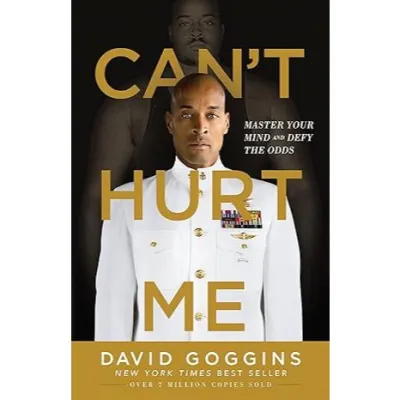

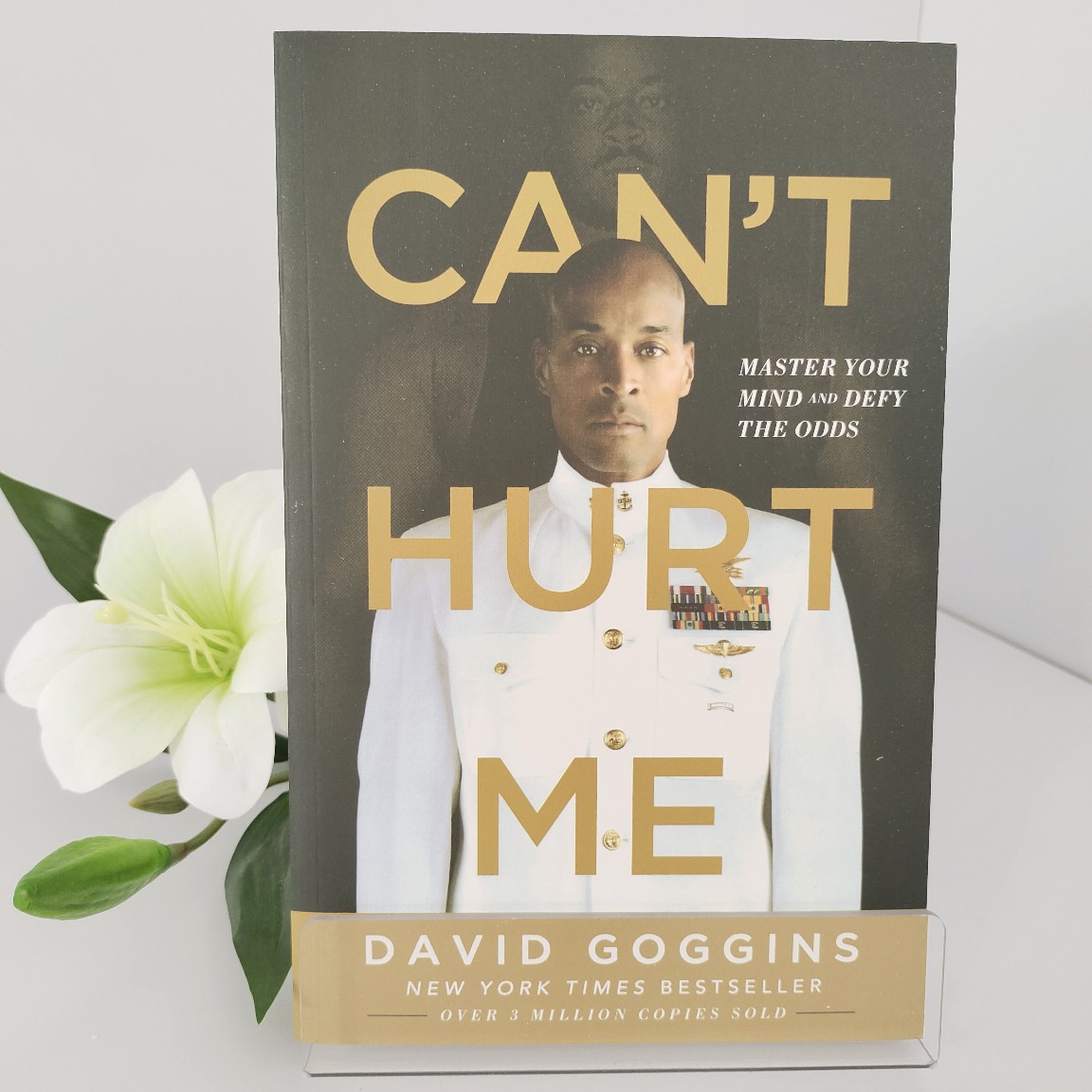
Prices are valid at publication and may change. Please refer to the product page for the latest price.
Core Themes and What You Will Actually Learn
To get the most out of this book, you must look past the viral social media clips and focus on the structured mental frameworks Goggins introduces. These concepts are designed to help you push past the mental barriers that keep you in your comfort zone.
- The 40% Rule: Goggins argues that when your mind tells you that you are completely exhausted and ready to quit, you have actually only tapped into about 40 percent of your true capabilities. The remaining 60 percent is locked behind mental blocks that your brain uses to protect you from discomfort. By slowly pushing past these initial signals of fatigue, you can train your mind to access deeper reserves of energy and focus.
- The Accountability Mirror: This exercise requires you to stand in front of a mirror and face your insecurities, failures, and goals with brutal, unfiltered honesty. Goggins recommends pasting physical sticky notes on your mirror outlining your real situation and the exact steps you need to take to fix it. It is a direct challenge to stop making excuses and take full responsibility for your current state.
- Callousing the Mind: Just as physical labor builds calluses on your hands to protect them from friction, voluntary hardship builds mental calluses. By intentionally choosing the harder path—such as waking up early to exercise in the humid morning air or tackling your most difficult work tasks first—you gradually desensitize your mind to discomfort and build lasting discipline.
While these concepts are powerful, you must evaluate how these extreme endurance principles translate to your specific lifestyle. Pushing through physical pain might make sense for an ultra-marathon runner, but in a high-stress office environment, you will need to adapt these rules to prevent physical burnout while still building mental toughness.
Who Should Read This Book?
This book is highly recommended for individuals who feel trapped in a cycle of complacency and need a drastic shift in perspective. If you find yourself constantly setting goals but abandoning them at the first sign of friction, Goggins’ aggressive, no-nonsense storytelling can provide the external push you need to break the cycle.

Fitness enthusiasts, athletes, and those training in high-stress environments will find immediate value in the text. The physical and mental challenges Goggins describes—such as enduring grueling military selection processes or running on broken bones—speak directly to the mindset required for high-level physical performance.
Finally, if you appreciate raw, authentic memoirs, this book will resonate with you. Goggins does not sugarcoat his language, his failures, or his flaws. This unfiltered honesty makes his eventual triumphs feel earned, offering a refreshing contrast to more polished, academic self-help books.
When to Skip It and Consider Alternatives
You should skip this book if you are currently dealing with severe burnout, clinical anxiety, or deep-seated trauma that requires a gentle, therapeutic approach. Goggins’ “no excuses” philosophy is highly aggressive and does not account for the psychological nuances of mental health recovery.
For readers who require structured, scientifically backed habit-building systems, this book may feel too chaotic. Goggins relies heavily on sheer willpower and extreme effort, which can sometimes lead to physical injury or emotional exhaustion if copied blindly without proper self-regulation.
If you prefer a softer, more analytical approach to personal growth, look for books focused on mindfulness, self-compassion, or incremental habit design. It is always wise to check the content warnings for Can’t Hurt Me, as the book deals heavily with childhood abuse, racism, and severe physical trauma.
Choosing the Right Format for Your Lifestyle
Deciding how to consume Can’t Hurt Me is crucial, as the different formats offer vastly different experiences. Your choice should align with how you prefer to study, take notes, and absorb motivational content.
- The Audiobook Format: This is widely considered by many readers to be the definitive version of the book. It is structured like a mix between an audiobook and a podcast. Between chapters, Goggins and narrator Adam Skolnick break away from the text to have unscripted, conversational discussions that provide extra context, deeper insights, and personal anecdotes not found in the printed pages.
- The Physical Book: If you prefer a tactile reading experience, the physical copy is excellent for highlighting key passages and working through the ten challenges Goggins lays out at the end of the chapters. Having a physical book on your desk can also serve as a daily visual reminder of your commitment to self-discipline.
- The E-Book Format: For those who commute daily or travel frequently, the digital version offers maximum portability. It allows you to highlight text and search for specific challenges easily without adding weight to your bag.
Before making your purchase, always verify the specific edition, language, and format features on your preferred online bookstore. Ensure you are buying from an authorized seller to guarantee you receive a complete, high-quality copy of the text.
Frequently Asked Questions (FAQ)
Is the audiobook version better than the physical book?
The audiobook version offers significant added value because of its unique, podcast-style format. The exclusive, unscripted conversations between chapters provide deeper context that is missing from the print version. However, if you prefer to study books actively, write in the margins, and easily flip back and forth between the practical challenges, the physical book remains the superior choice for hands-on learning.
Where can I buy authentic copies in the Philippines?
To ensure you receive an authentic copy, purchase the book through authorized physical bookstores, official brand stores, or reputable online mall platforms. Be cautious of listings on general online marketplaces that are priced suspiciously low. Counterfeit copies are common and often feature missing pages, blurry text, and poor binding that falls apart quickly. Always check seller ratings and customer reviews before spending your ₱ to ensure you are supporting the authorized publisher.
Community discussion
Share your experience or ask a question. Comments are reviewed before publication.