
Deciding whether to invest your time and money in André Aciman’s Call Me by Your Name depends heavily on what you seek in a novel. If you are looking for a fast-paced, plot-driven romance with clear-cut resolutions, this book might leave you feeling restless. However, if you appreciate deeply introspective prose, sensory-rich descriptions, and an intense exploration of desire and memory, then this modern literary classic is highly worth adding to your bookshelf. For readers in the Philippines, where a slow, humid afternoon or a rainy monsoon day provides a fitting backdrop for atmospheric storytelling, the novel offers an immersive escape that lingers long after the final page is turned.
The Core Appeal: Evaluating the Storytelling and Emotional Depth
The narrative is told entirely from the perspective of Elio, a precocious seventeen-year-old spending the summer at his family’s villa in Italy. The storytelling relies heavily on internal monologue, making the reading experience deeply intimate. It is not a book where events happen in rapid succession; instead, the action is almost entirely psychological. Every glance, hesitation, and unspoken word is analyzed through Elio’s obsessive, youthful lens, capturing the agonizing uncertainty of first love.
The pacing is deliberately slow and introspective, mirroring the lazy, sun-drenched days of a European summer. Aciman uses poetic, fluid prose that builds emotional tension through shared intellectual pursuits, classical music, and quiet afternoons by the pool. This atmospheric setting acts as a catalyst for the characters’ connection, making the environment feel as alive as the characters themselves.
Products mentioned in this guide

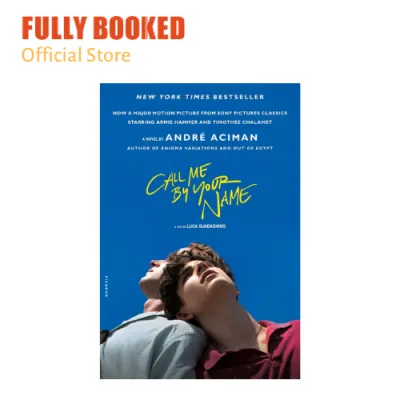
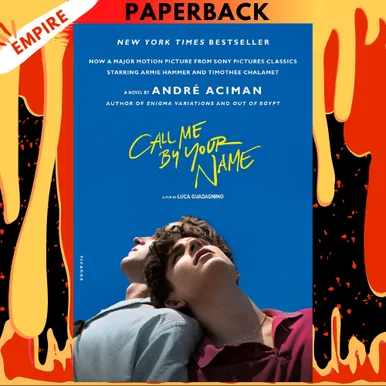
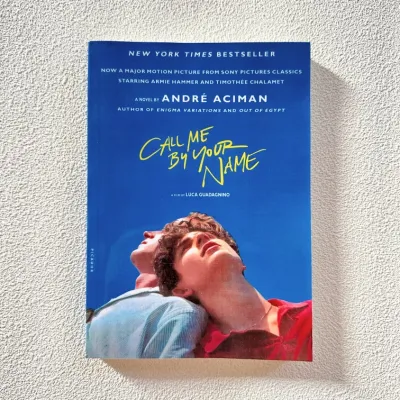

Prices are valid at publication and may change. Please refer to the product page for the latest price.
Unlike conventional romance narratives that follow a predictable trajectory of courtship, conflict, and resolution, Call Me by Your Name is a meditation on memory and longing. It explores how a single brief period can shape an entire lifetime. The focus remains on the pain and beauty of vulnerability, making the emotional resonance far deeper than a standard love story.
Book vs. Movie: Does the Novel Offer More Than the Film?
Many readers first encounter this story through the critically acclaimed film adaptation. While the movie is celebrated for its stunning visuals and soundtrack, the physical book offers a fundamentally different experience. The film relies on external observation—actors’ expressions, cinematography, and silence—to convey emotion. The novel, conversely, plunges you directly into Elio’s chaotic, unfiltered thoughts. You experience his self-doubt, intellectual posturing, and raw desire in a way that cinema cannot fully replicate.

Structurally, the book expands far beyond the timeline of the film. While the movie concludes shortly after the summer ends, the novel features a substantial final section that fast-forwards through several decades. This epilogue tracks Elio and Oliver as they navigate adulthood, looking back at their shared past. This extended timeline completely shifts the tone, transforming a summer romance into a lifelong haunting.
If you want to understand the psychological underpinnings of the characters and desire a more complete, bittersweet conclusion, the book is a highly justified purchase. If you prefer the concise, visually romanticized version of their summer without the heavy weight of decades-long nostalgia, the film may suffice.
Reader Match: Who Will Love It and Who Should Skip
To avoid buyer’s remorse, it is helpful to match your reading habits with the book’s specific style. Ideal readers are those who enjoy literary fiction, character-driven narratives, and slow-burn emotional development. If you appreciate authors who prioritize beautiful sentence structures and psychological accuracy over rapid plot progression, you will likely find this book deeply rewarding.
On the other hand, readers who prefer fast-paced plots, heavy dialogue, or straightforward, lighthearted romance should probably skip this title. The book features long paragraphs of internal reflection with minimal dialogue. The prose can sometimes feel dense or overly intellectualized, which might frustrate those looking for an easy, breezy beach read.
Furthermore, the novel requires a specific reading mood. It is introspectively heavy and deals with themes of grief, nostalgia, and the pain of growing up. It is ideally enjoyed when you have the mental space to sit with complex, sometimes uncomfortable emotions, rather than when you are looking for quick entertainment.
Buying the Physical Book: What to Check Before You Pay
When you decide to purchase a physical copy in the Philippines, whether from a local brick-and-mortar bookstore or an online marketplace, there are several practical details to consider. First, decide on your aesthetic preference. The book is widely available in both the original literary cover designs and the movie-tie-in editions featuring the film’s actors. Collectors often prefer the original cover art for its timeless look on a bookshelf.
Because the tropical climate in the Philippines features high humidity, paper quality is a crucial factor. Cheap, unauthorized reprints often use low-grade newsprint that yellows rapidly, warps in the humidity, and emits a strong chemical odor. To ensure you are buying a genuine copy, check the ISBN listed on the copyright page and verify the publisher details. Genuine editions typically use acid-free paper that withstands tropical conditions much better.
Be vigilant against counterfeit copies when shopping online. Red flags for unauthorized reprints include unusually low prices, blurry cover printing, misaligned text blocks, and poor glue binding that cracks easily when the book is opened. Reading customer reviews on e-commerce platforms and asking sellers for actual photos of the book’s spine and pages can save you from a disappointing purchase.
Frequently Asked Questions (FAQ)
Is the content appropriate for younger teens?
Call Me by Your Name contains mature themes, explicit intimacy, and complex emotional dynamics that are generally better suited for older teens and adult readers. The novel explores intense psychological and physical relationships with a high degree of candor. Parents or younger readers should check official publisher age ratings or detailed content warnings on reputable book databases before purchasing.
Is there a sequel to the story?
Yes, André Aciman wrote a follow-up novel titled Find Me, which was published in 2019. This sequel continues to explore the lives of the characters, including Elio’s father, Elio, and Oliver, at different points in their lives. However, Call Me by Your Name stands completely on its own as a self-contained story. Many readers find the ending of the first book to be satisfactorily complete and choose not to read the sequel, so there is no immediate need to purchase both books at once.
Community discussion
Share your experience or ask a question. Comments are reviewed before publication.