
Deciding whether a book deserves a spot on your reading list requires looking beyond eye-catching covers and social media trends. In a landscape saturated with aggressive productivity guides and rapid-success manuals, Before We Forget Kindness offers a contrasting approach centered on empathy, emotional recovery, and the quiet power of human connection. For readers navigating the complexities of modern life, this book serves as an invitation to slow down and reassess how we treat ourselves and those around us.
Evaluating this work involves understanding its core messages about compassion and determining how these concepts align with your current life stage. In the Philippines, where community expectations and family responsibilities run deep, finding a balance between supporting others and maintaining personal well-being is a common challenge. This guide breaks down the book’s central themes, explores their practical application in daily life, and provides a clear framework to help you decide if it is the right addition to your bookshelf.
Understanding the Core Themes of 'Before We Forget Kindness'
At its heart, the book explores kindness not as a passive social courtesy, but as an active, transformative force. Many self-help books focus heavily on external achievements, such as career advancement or financial milestones. In contrast, this text emphasizes that genuine personal growth begins with internal healing and self-compassion. Before you can extend meaningful support to others, you must first address your own emotional wounds and cultivate a gentle attitude toward your personal struggles.
Products mentioned in this guide
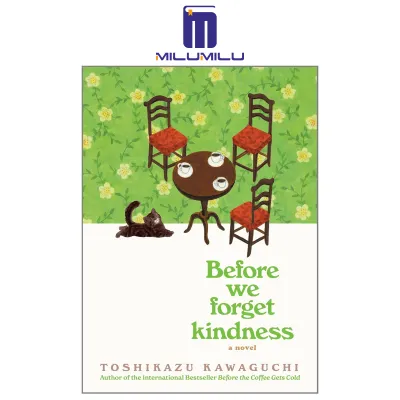
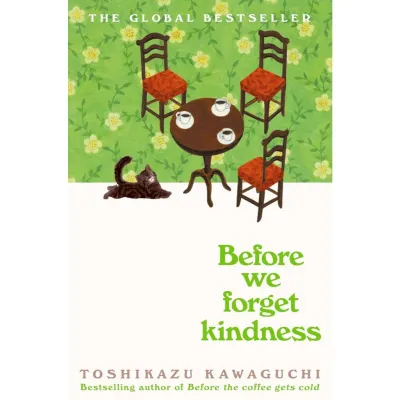



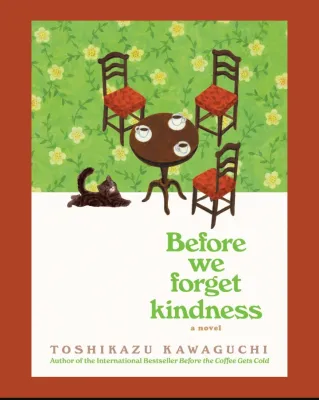
Prices are valid at publication and may change. Please refer to the product page for the latest price.
Emotional barriers often hinder our development without our conscious awareness. Feelings of guilt, unresolved resentment, and chronic emotional exhaustion can create a protective barrier that isolates us from others. The book suggests that empathy is a vital tool for dismantling these barriers. By practicing empathy—both toward ourselves and those who have caused us stress—we can begin to understand the underlying motivations behind difficult behaviors, reducing the burden of anger we carry.
When evaluating the depth of any self-help book, it is essential to look past simple platitudes. A valuable text does not merely tell readers to “be kind” or “stay positive.” Instead, it provides a nuanced exploration of why these actions are difficult and offers a realistic perspective on human limitations. To assess if this book meets your standards, consider whether its narrative style resonates with your learning preferences. Some readers thrive on structured, data-driven advice, while others find deeper meaning in reflective, story-driven explorations of human relationships.
Furthermore, the concept of kindness in this context is closely tied to vulnerability. Acknowledging that we cannot handle every challenge alone is a crucial step in personal development. The book encourages readers to view asking for help not as a sign of weakness, but as an act of courage that strengthens community bonds. This shift in perspective is essential for anyone feeling overwhelmed by the pressure to appear constantly strong and self-reliant.
Applying These Lessons to Everyday Life in the Philippines
Integrating the principles of intentional kindness into daily life requires reflecting on our unique cultural landscape. In the Philippines, values like bayanihan and deep devotion to family are foundational to our social fabric. We naturally seek to support our neighbors, relatives, and friends during times of crisis. However, this strong collectivist culture can sometimes blur the lines of personal boundaries, leading individuals to sacrifice their own mental and physical health for the sake of harmony.

Applying the book’s lessons means recognizing that true kindness includes setting healthy boundaries. It is entirely possible to honor your commitments to your family and community while also acknowledging your personal limits. Saying no when you are emotionally or physically depleted is not an act of selfishness; rather, it is a necessary measure to ensure that when you do give, you are doing so from a place of genuine abundance rather than obligation or resentment.
Modern urban environments present unique challenges to maintaining empathy. Navigating congested transit systems, enduring long daily commutes in high humidity, and managing demanding work schedules in bustling metropolitan areas can easily deplete our patience. In these high-stress situations, it is easy to default to frustration or indifference. Practicing intentional kindness in a crowded environment might look like offering a seat to someone in need, pausing before reacting angrily to a minor inconvenience, or simply showing patience to service workers who are also navigating the same stressful conditions.
However, readers must validate the book’s advice against their own lived experiences rather than accepting every concept as an absolute rule. Cultural, economic, and social realities vary widely, and what works in one context may require adaptation in another. Use the book as a reflective mirror to examine your relationships and daily habits, adapting its core principles to fit your specific circumstances, financial realities, and emotional capacity.
Who Will Benefit Most From Reading This Book?
This book is particularly beneficial for individuals who find themselves at a crossroads or experiencing major life transitions. Whether you are transitioning to a new career, adjusting to life in a different city, or navigating changes in your personal relationships, these periods of uncertainty often bring emotional vulnerability. The reflective nature of the text provides a grounding effect, helping readers find stability by focusing on core values like empathy and self-care.
Those who struggle with a harsh inner critic will also find value in these pages. If you constantly judge your progress against the curated successes of others or feel overwhelmed by a sense of inadequacy, the book’s emphasis on self-compassion offers a gentle alternative. It encourages a shift away from relentless self-improvement toward a more accepting and patient relationship with oneself.
Conversely, this book may not be the right fit for readers seeking highly technical, structured, or action-oriented guides. If your current goal is to build a specific business framework, learn a technical skill, or implement a rapid financial strategy, a reflective book on empathy will likely feel too abstract. Understanding your current learning objectives is key to selecting the right material for your personal development journey.
Before opening the first chapter, take a moment to clarify your expectations by asking yourself a few self-reflection questions:
- Am I looking for practical, step-by-step instructions, or am I open to a reflective, narrative-driven exploration of emotions?
- Am I willing to examine my own relationships and identify areas where I need to establish healthier boundaries?
- Is my primary goal right now to achieve external milestones, or do I need to focus on internal healing and emotional grounding?
What to Verify Before You Buy or Borrow Your Copy
Before acquiring a copy of Before We Forget Kindness, it is important to verify several physical and digital specifications to ensure you receive a complete and authorized edition. Start by checking the publication details, including the publisher, publication year, and translation credits. Because this book is widely read internationally, ensuring you are purchasing an authorized English translation will guarantee that the nuances of the original text are preserved and that the formatting is correct.
Choosing the right format depends heavily on your daily routine and reading environment:
- Physical Formats (Paperback or Hardcover): If you prefer a tactile reading experience free from digital distractions, a physical book is an excellent choice. However, keep in mind that the tropical climate and high humidity in the Philippines can affect paper quality over time. To prevent page yellowing, foxing, or mold, store your physical books in a cool, dry place away from direct sunlight and ensure adequate ventilation in your reading space.
- Digital Formats (E-books): For those who read during long commutes or travel frequently, an e-book offers unmatched portability. Before purchasing, verify the file format compatibility with your specific e-reader, tablet, or smartphone. Ensure that the digital retailer provides a secure, authorized download to avoid incomplete files or poor formatting that can disrupt your reading flow.
- Audiobooks: If you prefer to consume books while multitasking, such as during your daily chores or exercise routines, an audiobook is a highly convenient option. Before committing, check the narrator's style by listening to a sample, and verify that the digital platform you use does not have regional restrictions that prevent playback in your area.
When purchasing or borrowing, always rely on reputable, authorized sources. Avoid purchasing low-cost digital or physical copies from unverified sellers on online marketplaces or ecommerce platforms. These unauthorized copies are often poorly scanned, contain numerous typographical errors, or may even be missing entire chapters, which ultimately detracts from the reading experience and fails to support the creators. When budgeting for your next read, checking the price in ₱ at authorized local retailers ensures you are paying a fair price for a legitimate copy rather than risking your money on counterfeit prints. Instead, check major local bookstore chains, official digital publishers, or legitimate library systems to secure a high-quality copy.
Frequently Asked Questions (FAQ)
Is the content suitable for teenagers and young adults?
The themes of empathy, self-compassion, and emotional healing explored in the book are highly relevant to younger readers navigating the social pressures of adolescence. However, because some chapters may touch on complex emotional struggles or interpersonal conflicts, it is recommended that parents, guardians, or educators preview the material first. This ensures the content aligns with the teenager’s specific maturity level and provides an opportunity for meaningful discussions about healthy boundaries and emotional well-being.
How much time should you set aside to finish it?
The time required to complete the book depends on your personal reading speed, chosen format, and daily schedule. Because this is a reflective text, many readers find it more beneficial to read slowly, taking time to contemplate the lessons rather than rushing through the pages. To plan your reading schedule realistically, check the official page count of the physical edition or the total runtime of the audiobook version, and allocate a consistent block of quiet time each day.
How can you check local availability in the Philippines?
To find a copy without relying on unverified stock claims, utilize the online catalogs of legitimate local institutions. You can search the digital databases of the National Library of the Philippines, major university libraries, or established local bookstore chains. Many of these platforms allow you to check real-time branch availability, reserve a physical copy for pickup, or access digital lending options directly through authorized library applications.

Community discussion
Share your experience or ask a question. Comments are reviewed before publication.