
The Quick Verdict: Is Atomic Habits Worth Your Time and Money?
James Clear’s Atomic Habits is a highly worthwhile investment of your time and money, but its ultimate value depends heavily on how realistically you apply its structured advice. For those looking to build consistent personal routines—whether that means starting a realistic fitness journey, dedicating time to upskilling, or slowly growing an emergency fund in Philippine Pesos—the book provides an exceptionally clear and actionable blueprint.
However, it is not a magical cure-all for the systemic stressors, chronic overwork, or structural challenges that many face daily. Its value lies in helping you optimize the small areas of your life where you have genuine agency, rather than promising to fix external circumstances beyond your control. If you approach it as a tool for incremental personal improvement rather than a total life solution, it is one of the most practical self-help books you can buy.
Decoding the Hype: Core Concepts That Deliver Real Value
The global success of Atomic Habits stems from its shift away from abstract motivation toward practical system-building. James Clear argues that goals are about the results you want to achieve, while systems are about the processes that lead to those results. If you focus solely on the goal without designing a supportive system, long-term change remains incredibly difficult to sustain.
Products mentioned in this guide
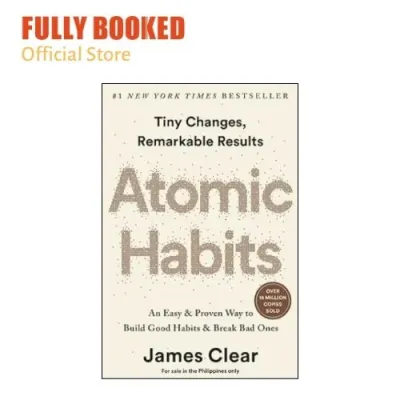
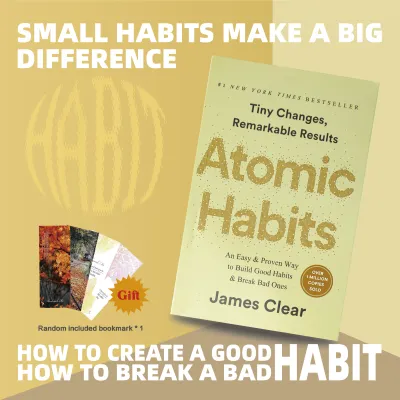
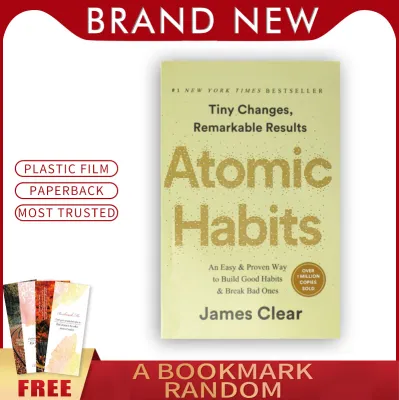

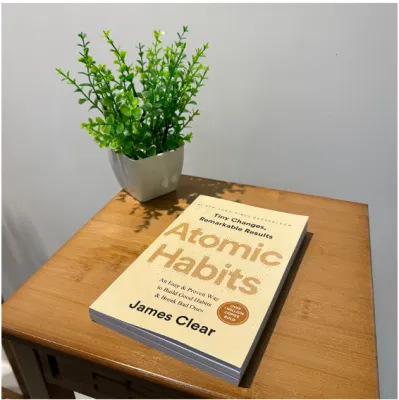
Prices are valid at publication and may change. Please refer to the product page for the latest price.

The book’s foundation rests on the concept of marginal gains—the idea that improving by just 1% every day compounds into massive transformations over time. Clear organizes his practical methodology around the Four Laws of Behavior Change: make it obvious, make it attractive, make it easy, and make it satisfying. These laws correspond to the four stages of the neurological habit loop: cue, craving, response, and reward.
By focusing on these four pillars, the book demystifies why we fail to stick to our resolutions. Instead of relying on raw, fleeting willpower, readers learn to redesign their environments. A key tool introduced is “habit stacking,” which involves pairing a new habit with an existing, well-established routine to reduce the cognitive effort required to start.
This practical approach shifts the conversation from abstract motivation to concrete environmental design, explaining why the book has sustained its global popularity since its release. It offers a highly logical, step-by-step system that treats habit formation as a design problem rather than a character flaw.
Adapting the Framework to Daily Life in the Philippines
While the psychology of habit formation is universal, the physical and social environments in which we try to implement these habits differ wildly. In Western contexts, a person’s day might follow a highly predictable, linear schedule with minimal external disruption. In local urban environments, daily routines are frequently shaped by external factors beyond individual control.
To make the book’s advice work, readers must learn to translate these structured frameworks into highly flexible, localized strategies that accommodate the realities of urban transit and community life.
Navigating Long Commutes and Unpredictable Schedules
For many professionals in urban centers, a significant portion of the day is consumed by long, exhausting commutes. Spending several hours daily in transit, waiting in queues, or navigating unpredictable traffic makes rigid, time-specific habits nearly impossible to maintain. If your plan is to write or study at a specific hour, a sudden downpour or an unexpected delay on the road will instantly derail your progress.
To overcome this, you can adapt Clear’s concept of habit stacking and the “two-minute rule” to fit these unavoidable transit windows. Instead of linking a new habit to a specific time, stack it onto a reliable trigger within your commute. For example, you can stack the habit of learning a new skill onto the action of boarding the bus or train.
If you work shifting hours, such as in the BPO industry, your daily schedule might change constantly. By tying habits to sequence rather than time—such as reading one page of a book immediately after your first cup of coffee, regardless of what hour the clock shows—you preserve the system’s integrity despite an erratic schedule.
Environment design can also be localized. Keeping a digital book downloaded on your phone or having offline educational audiobooks ready ensures that you can utilize “dead time” productively, turning the stress of a slow commute into a low-friction opportunity for self-improvement.
Balancing Close-Knit Family Dynamics and Personal Goals
Another distinct aspect of local life is the collectivist nature of society, characterized by strong family ties, multi-generational households, and the cultural values of harmony and mutual support. James Clear emphasizes that our social environment heavily influences our habits, advising readers to join groups where their desired behavior is the normal behavior.
However, when you live in a close-knit household, isolating yourself to work on personal goals or declining a heavy family dinner to stick to a strict diet can sometimes be perceived as cold or distant. Adapting these principles requires a delicate balance of social environment design and gentle communication.
Rather than trying to isolate yourself completely, look for ways to integrate your habits into the existing family structure or seek their active support. If you want to build a habit of saving money, frame it as a collective goal for the household’s future security, transforming the habit from an individualistic pursuit into a shared family value.
If you need quiet time to study or exercise, communicate this clearly as a dedicated window of focus, ensuring you remain fully present during family meals and gatherings afterward. By aligning your habits with the cultural value of togetherness rather than fighting against it, you reduce social friction and build a sustainable support system.
Where the Book’s Advice Meets Its Limits
While Atomic Habits is an empowering read, it is essential to recognize where its philosophy of hyper-individual agency meets its practical limits. Clear’s writing operates on the underlying assumption that readers possess a high degree of control over their time, energy, and immediate physical environment.
In reality, many workers face systemic challenges that cannot be resolved simply by optimizing personal routines. Chronic overwork, stagnant wages, high inflation, and the sheer physical exhaustion of navigating underfunded public infrastructure leave many with very little cognitive bandwidth or physical energy at the end of the day.
When you are experiencing severe burnout or working multiple jobs just to make ends meet, telling yourself to “just get 1% better every day” can feel less like motivation and more like an exhausting, guilt-inducing demand. The book largely overlooks how systemic economic pressures and structural inequalities limit a person’s choices.
For instance, designing an environment that promotes healthy eating is extremely difficult when fresh, nutritious food is significantly more expensive and less accessible than quick, highly processed options. Therefore, readers must approach the book with realistic expectations.
It is vital to understand that failing to maintain a habit is not always a sign of personal weakness or a flawed system; often, it is a natural response to overwhelming systemic fatigue. Use Clear’s strategies to reclaim small pockets of agency where you can, but do not expect his frameworks to cure the deep-seated exhaustion caused by structural workplace issues or economic stress.
Who Should Read It (and Who Should Skip It)
To help you decide whether to purchase a copy of Atomic Habits, it is helpful to evaluate your current life stage and immediate goals.
You should read this book if:
- You struggle with consistency: You find yourself repeatedly abandoning your goals after a few weeks and want a practical framework to understand why.
- You want to break bad habits: You need a highly structured, logical method to dissect and eliminate persistent negative habits, such as doomscrolling or impulsive spending.
- You want to optimize personal routines: You have a stable daily routine and are looking to improve specific, manageable areas of your life, such as establishing a regular exercise regimen or consistently saving money.
You should skip or postpone reading this book if:
- You are experiencing severe burnout: If basic daily tasks feel overwhelming, adding a structured habit-building program will likely increase your stress; prioritizing rest and recovery is far more critical.
- You are in an acute financial survival mode: The book's optimization strategies are less effective when you lack control over your basic living conditions and must focus entirely on immediate income generation.
- You expect it to fix systemic issues: No amount of personal habit stacking can fix a fundamentally toxic working environment or structural career problems.
Choosing the Right Format and Where to Buy
If you decide that Atomic Habits is a good fit for your current goals, your next decision is choosing the right format. The book is widely available in physical, e-book, and audiobook formats, each offering distinct advantages depending on your lifestyle and reading preferences.
Physical books are excellent for those who enjoy highlighting text, writing notes in the margins, and having a tangible reminder of their commitment on their desk or nightstand. You can find authorized physical copies at major local bookstore chains such as Fully Booked or National Book Store.
When purchasing physical copies from online marketplaces, be highly vigilant. Verify the seller’s reputation and check customer reviews carefully, as counterfeit, low-quality reprints with missing pages or poor printing are common. Always confirm the publisher’s details to ensure you are buying a legitimate edition.
For commuters or those with limited shelf space, digital formats are highly practical. An e-book version, readable on dedicated e-readers or tablets, allows you to carry the text anywhere without adding weight to your bag. Before purchasing, verify the file format, regional restrictions, and device compatibility.
Alternatively, the audiobook version is an outstanding choice for those who want to utilize their daily commute or time spent doing household chores. Listening to James Clear narrate his own work can make the concepts feel highly conversational and engaging. Ensure your listening device supports the required audio format and that you are purchasing from an authorized digital source.
Frequently Asked Questions (FAQ)
How long does it take to read Atomic Habits?
The standard English paperback edition of Atomic Habits is approximately 320 pages long. For an average reader, it takes about five to six hours of continuous reading to finish. However, because the book is highly actionable, rushing through it is rarely the best approach. A more practical pacing strategy is to read one chapter per week, allowing you seven days to digest the specific concepts, complete the exercises, and actively implement the lessons in your daily life before moving on to the next framework.
Is the audiobook version practical for daily commutes?
Yes, the audiobook version is highly practical for commuters, especially those spending hours in transit or driving. It has a total running time of approximately five and a half hours, meaning you can easily finish it within a week of typical commutes. The primary benefit is turning otherwise stressful, unproductive travel time into an active learning session. The main drawback is that it is difficult to take notes or highlight key passages while on the move, and you may miss out on the visual charts and summaries included in the print edition. To offset this, consider keeping a simple note-taking app open on your phone to jot down quick voice memos or thoughts during your journey.
Do I need to read the whole book to get the benefits?
While you can easily find short summaries of the Four Laws of Behavior Change online, reading the full book offers significant additional value. The core frameworks are simple to understand in theory, but the book’s real power lies in the detailed case studies, psychological context, and specific troubleshooting advice that James Clear provides. The full text helps you understand the why behind human behavior, making you better equipped to adapt the rules when your initial habit-building attempts inevitably face real-world obstacles.
Community discussion
Share your experience or ask a question. Comments are reviewed before publication.