
An SQOE acoustic guitar can be a highly practical and budget-friendly entry point for absolute beginners, but its ultimate value depends on inspecting the individual unit rather than relying solely on the brand name. For those starting their musical journey, the brand offers an appealing balance of modern aesthetics and accessible pricing. However, because manufacturing consistency can vary in entry-level instruments, a smart buyer must know what to look for before making a final decision.
The typical target audience for this brand consists of students, hobbyists, and first-time players who want to explore the guitar without committing a massive financial investment. At this stage, you do not need a premium heirloom instrument, but you do need a tool that does not actively hinder your progress. A poorly made guitar can cause physical pain and frustration, leading many beginners to give up prematurely.
To ensure your first guitar supports your learning, it must meet three baseline criteria: low physical strain when pressing the strings, stable tuning that holds during practice sessions, and decent intonation across the fretboard. While SQOE models frequently meet these requirements out of the box, variations in shipping, storage, and local climate can affect the wood. Therefore, verifying the physical condition of the specific unit you receive is the most reliable path to a successful purchase.
Products mentioned in this guide
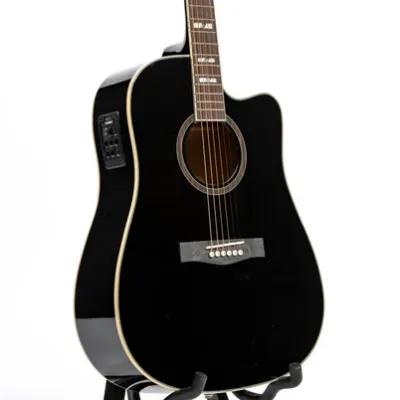


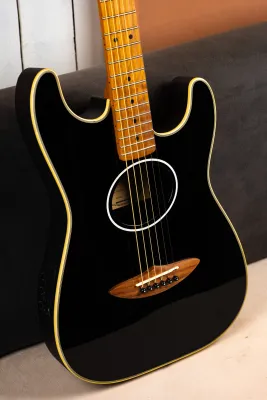

Prices are valid at publication and may change. Please refer to the product page for the latest price.
Checking Playability and Comfort for First-Time Learners
Playability is the single most critical factor when choosing a beginner guitar. If an instrument is physically difficult to play, even the most enthusiastic student will struggle to maintain a consistent practice routine. Your early focus should be on building finger strength and muscle memory, which requires an instrument that works with you rather than against you.
A comfortable learning tool allows you to press down on the strings with minimal effort, helping you clean up your chord transitions and avoid hand fatigue. Conversely, a frustrating obstacle with high strings and an awkward neck shape will cause unnecessary finger pain and joint strain. Prioritizing physical comfort over cosmetic appeal or brand prestige is the best way to ensure you stick with the instrument long enough to develop your skills.
Evaluating String Action and Neck Profile
String action refers to the height of the strings above the fretboard. To check this, hold the guitar at eye level and look down the edge of the neck from the headstock to the body. The strings should sit relatively close to the frets without touching them; if the gap looks excessively wide, your fingers will have to work twice as hard to produce a clear note.
Visual Action Check: Look closely at the twelfth fret, which is the midpoint of the neck. If the space between the top of the metal fret and the bottom of the string is thicker than a standard coin, the action is likely too high for a beginner. High action leads to rapid finger fatigue and can cause notes to sound sharp when pressed down.
Neck Shape and Radius: Pay attention to how the neck fits in your hand. Many modern beginner guitars feature a slim, C-shaped neck profile that is highly suitable for smaller hands. Ensure your thumb can rest comfortably on the back of the neck without forcing your wrist into an awkward, bent angle.
Setup Costs: If you find a unit you love but the action feels slightly too high, do not despair. You can often take the guitar to a local luthier or music shop for a professional setup. This process involves adjusting the truss rod inside the neck and sanding down the saddle, which can transform a stiff guitar into a highly playable instrument for a modest fee in ₱.
Assessing Body Size and Weight
The physical dimensions of the guitar body play a massive role in your overall comfort and posture during long practice sessions. Traditional dreadnought bodies are highly popular because they produce a loud, booming sound, but their large size can feel overwhelming for younger players or those with smaller frames.
Body Styles: If a dreadnought feels like you are hugging a giant wooden box, consider looking at smaller body shapes such as concert, auditorium, or parlor sizes. These designs feature a narrower waist and a shallower body depth, making them much easier to drape your arm over while seated.
Weight and Balance: If possible, stand up and use a guitar strap to check how the instrument balances against your body. A well-balanced guitar should sit comfortably without the headstock diving toward the floor. If you constantly have to support the neck with your fretting hand, it will disrupt your playing technique.
Seated Comfort: When practicing in a chair, the lower curve of the guitar body should rest naturally on your thigh. Ensure the upper edge of the body does not dig uncomfortably into your ribs or force your right shoulder to shrug upward, as this can lead to chronic muscle tension over time.
Inspecting Build Quality and Hardware Reliability
An affordable price tag should not mean accepting structural defects that compromise the instrument’s longevity. When inspecting an SQOE guitar, start by testing the tuning machines on the headstock. Turn each peg slowly to ensure the gears rotate smoothly without slipping, sticking, or feeling gritty, as reliable tuners are essential for keeping your guitar in pitch.

Next, examine the critical connection points where the wood meets the hardware. Look closely at the bridge, which is glued to the top of the guitar body. There should be absolutely no visible gaps or lifting edges between the wooden bridge and the soundboard; even a tiny separation can worsen under string tension and eventually cause the bridge to tear off.
Take a moment to peer inside the soundhole using your phone’s flashlight to inspect the internal craftsmanship. While you might see minor cosmetic imperfections, there should be no loose wooden braces, massive globs of squeezed-out glue, or cracked wood panels. Clean internal construction is a strong indicator of careful manufacturing and quality control.
Finally, run your index finger gently along both sides of the neck to check the metal fret ends. The frets should feel smooth and flush with the edge of the wood. In the tropical climate of the Philippines, high humidity followed by dry spells can cause the wooden fretboard to shrink, leading to sharp, protruding fret ends that can scratch your fingers during play.
How to Compare SQOE Against Other Entry-Level Alternatives
When comparing SQOE to other brands in the same price bracket, start by looking at the tonewood specifications listed on the product label or manufacturer website. Most budget-friendly guitars are constructed from laminated wood, which consists of multiple thin layers pressed together. While laminated wood does not offer the complex, evolving tone of solid wood, it is incredibly durable and highly resistant to the extreme humidity changes common in tropical regions.
Accessory Packages: Many beginner guitars are sold as bundles that include a gig bag, strap, picks, and a clip-on tuner. Evaluate the quality of these accessories rather than just their presence. A heavily padded gig bag is highly valuable for protecting your instrument from sudden tropical downpours, whereas a paper-thin bag will offer little protection against bumps and moisture.
Warranty and Local Support: Before purchasing, check the warranty terms offered by the local distributor or retail store. Having access to reliable after-sales support in the Philippines is crucial if you encounter structural issues like a warped neck or a lifting bridge. A store that offers a clear return window or an in-house repair service provides much better long-term value than an overseas seller with no local presence.
Final Decision: Should You Buy, Test in Store, or Keep Looking?
Making your final decision comes down to a simple checklist based on your physical inspection and purchasing options. If you can hold the specific guitar in your hands and verify that the neck is straight, the action is comfortable, the frets are smooth, and the hardware functions properly, you can confidently make the purchase. An SQOE guitar that passes these basic quality checks represents an excellent, cost-effective tool for your musical journey.
If you are planning to buy online through an e-commerce platform, proceed with caution. Only purchase if the seller has a highly rated return policy that allows you to send the instrument back if it arrives with shipping damage or setup issues. If you are unsure about your ability to evaluate the guitar yourself, visiting a physical music store with an experienced friend or asking the store staff to demonstrate the instrument is the safest approach.
Conversely, you should keep looking if you encounter a unit with major structural flaws. If the neck has a severe, unadjustable bow, the bridge is lifting from the body, or the tuning pegs slip constantly, do not buy the guitar hoping to fix it later. Investing your money in a unit that is properly set up from day one will save you from early frustration and keep you motivated to practice.
Frequently Asked Questions (FAQ)
Do I need to change the factory strings on a new SQOE guitar?
Yes, it is highly recommended to change the factory strings shortly after purchasing your guitar. Stock strings often spend months in shipping containers and warehouses, which can leave them feeling stiff, dull, or slightly corroded. Replacing them with a fresh set of light-gauge strings, such as .010 or .011 gauge, will make the fretboard much softer on your fingers and significantly reduce early playing pain.
Can an SQOE acoustic guitar be used for live performances later on?
While an entry-level SQOE guitar is perfect for learning, practicing, and playing casual gatherings with friends, it may fall short for formal live performances. Laminated wood construction lacks the projection and rich tonal depth required to fill a large venue. If you decide to perform on stage later on, you will eventually want to upgrade to an acoustic-electric model featuring a solid wood top and a high-quality built-in pickup system.
Community discussion
Share your experience or ask a question. Comments are reviewed before publication.