
Deciding whether to invest your time and money in a self-help book can be challenging, especially when a title dominates global bestseller lists. Adam Grant’s Think Again promises to help readers build the mental flexibility needed to navigate a rapidly changing world. For readers in the Philippines looking to improve their decision-making, this book offers valuable psychological frameworks, though its Western corporate examples may require some cultural translation.
Ultimately, Think Again is highly worth reading if you want to develop intellectual humility and learn how to disagree productively. However, if you are looking for a highly structured, step-by-step checklist or a guide tailored specifically to local cultural dynamics, you might find yourself wanting more concrete local applications. Understanding what the book delivers will help you decide if it aligns with your personal and professional goals.
What 'Think Again' Actually Teaches
At its core, the book argues that we spend too much time protecting our existing beliefs and not enough time questioning them. Grant identifies four distinct mindsets we adopt when communicating and making decisions: the preacher, the prosecutor, the politician, and the scientist.
Products mentioned in this guide
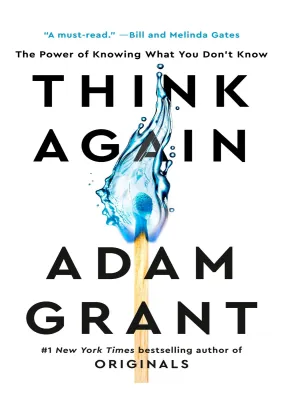
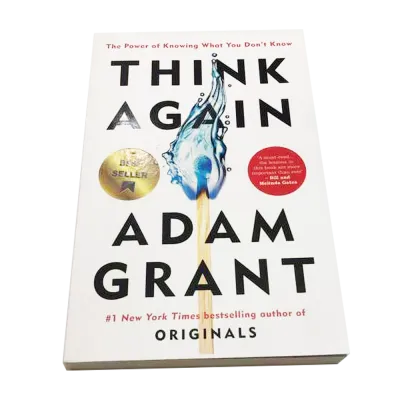
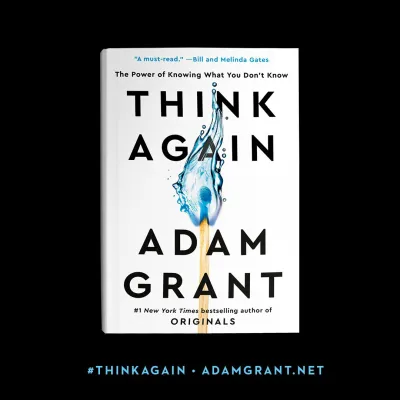
Prices are valid at publication and may change. Please refer to the product page for the latest price.
When we think like preachers, we focus on protecting and promoting our sacred beliefs. As prosecutors, we actively look for flaws in other people’s arguments to win a debate. In politician mode, we seek the approval of our peers, often changing our public stance just to fit in.
The goal of the book is to encourage readers to think more like scientists. A scientist does not treat their beliefs as absolute truths. Instead, they view their opinions as hypotheses waiting to be tested with real-world data. When the data changes, a scientist willingly updates their perspective.
This mindset shift powers what Grant calls the rethinking cycle. This cycle begins with humility, which leads to doubt about our current knowledge. This doubt sparks curiosity, driving us to discover new information, which ultimately reinforces our humility. In contrast, the overconfidence cycle relies on pride and confirmation bias, trapping us in a loop of validating our own outdated assumptions.
To break free from this trap, the book teaches us to detach our identity from our current beliefs. By separating who we are from what we think, we can change our minds without feeling like we have lost our sense of self.
Practical Value for Filipino Readers
Applying these concepts within a local context requires navigating deeply ingrained cultural values. In many local workplaces and families, the cultural expectation of pakikisama, which emphasizes smooth interpersonal relations, can make open disagreement difficult. Challenging a decision or pointing out a flaw in a plan is often avoided to maintain harmony.

Similarly, the concept of hiya, which relates to propriety and saving face, can discourage people from admitting they made a mistake. When admitting an error feels like a public loss of respect, sticking to an incorrect decision can seem like the safer option.
Think Again provides a useful framework for overcoming these barriers by distinguishing between task conflict and relationship conflict. Task conflict involves disagreements about the best way to solve a problem, while relationship conflict involves personal friction and animosity.
In local team meetings or family discussions, framing disagreements as task conflicts can help preserve relationships. By adopting the scientist mindset, you can present a disagreement as an objective experiment rather than a personal challenge to authority. This approach allows teams to test new ideas without violating the spirit of pakikisama.
Recognizing these cultural dynamics is the first step toward building healthier communication habits. While local norms can make rethinking feel uncomfortable at first, practicing intellectual humility can prevent costly mistakes in both business and personal relationships.
Who Should Skip This Book
While the book offers powerful insights, it is not the right fit for every reader. If you prefer highly structured, tactical guides with daily checklists and immediate life hacks, you may find the narrative-heavy style frustrating. Grant relies heavily on storytelling, academic research, and organizational case studies to make his points.
Additionally, readers who prefer self-help books with highly localized advice might find the examples distant. The book features case studies from Western organizations, international schools, and historical events that may not mirror the daily realities of local businesses or community structures.
If you are looking for highly actionable, habit-focused guides, books like Atomic Habits by James Clear might serve your immediate needs better. For those seeking leadership advice deeply rooted in local cultural values, exploring works by local authors who specialize in regional management styles may provide more direct answers.
Choosing the Right Format for Your Budget
If you decide to read the book, choosing the right format can help you maximize your budget. Physical paperback copies are widely available in local major bookstores and authorized online marketplaces, typically ranging from around ₱500 to ₱900. Hardcover editions or imported copies may cost more.
When buying a physical copy, consider the local climate. High humidity can cause pages to yellow or warp over time, so storing your books in a dry, well-ventilated space is essential for preserving your investment.
For those who spend hours commuting through heavy city traffic, the audiobook format is an excellent alternative. Listening to the book during your daily commute turns unproductive travel time into an opportunity for personal growth. Audiobook platforms often offer subscription models that can make this format more cost-effective than buying individual physical copies.
Before purchasing any digital or audio format, always verify the edition, language, and regional compatibility to ensure the file works seamlessly on your devices.
Final Verdict: Is It Worth the Investment?
Ultimately, Think Again is a worthwhile investment if you are looking to build long-term mental agility and improve how you handle disagreements.
You should buy this book if you lead teams, manage projects, or find yourself making complex decisions where assumptions can carry high risks. The frameworks will help you foster a culture of open communication and continuous learning.
You should borrow or sample the book if you are intrigued by the concept of intellectual humility but prefer faster, lighter reads. Many of Grant’s core ideas are discussed in his public articles and podcasts, which can serve as a helpful introduction before committing to the full text.
You should skip the book if you are looking for rigid, step-by-step instructions or if you find academic research and corporate case studies unappealing.
Frequently Asked Questions (FAQ)
Is the audiobook version of 'Think Again' worth it?
Yes, the audiobook is highly engaging because it is narrated by the author himself. Grant’s background as a professor and public speaker makes his delivery conversational and easy to follow. This format is particularly useful for multitasking during daily commutes or household chores, though it makes highlighting key passages more difficult than with a physical copy.
How long does it take to read 'Think Again'?
The physical paperback or e-book version typically takes about 5 to 7 hours of focused reading to complete. The unabridged audiobook version has a total running time of approximately 6 hours and 30 minutes, making it easy to finish over a week of daily commutes.

Community discussion
Share your experience or ask a question. Comments are reviewed before publication.