
The Short Answer: Who Should Start with a Stratocaster?
Choosing your first electric guitar is a pivotal decision that shapes your early learning experience. The Stratocaster is one of the most popular and versatile electric guitars in the world, making it an excellent starting point for many beginners. Its lightweight, contoured body and highly adaptable electronics make it incredibly user-friendly, especially for those interested in playing blues, classic rock, pop, indie, or funk.
However, the Stratocaster may not be the perfect fit for every aspiring musician. If your musical goals are strictly focused on heavy metal or hard rock, or if you prefer a simple, fixed-bridge instrument that requires minimal tuning maintenance, other designs might serve you better. Deciding whether to start with a Stratocaster ultimately depends on your physical comfort, your tolerance for basic hardware maintenance, and the specific tonal profiles of the genres you want to master.
Assessing Playability and Comfort for Your Body Type
Before you ever plug an electric guitar into an amplifier, its physical design will dictate how long and how comfortably you can practice. The Stratocaster is famous for its player-friendly ergonomics, which were specifically engineered to address the physical shortcomings of older, slab-body guitar designs.
Products mentioned in this guide

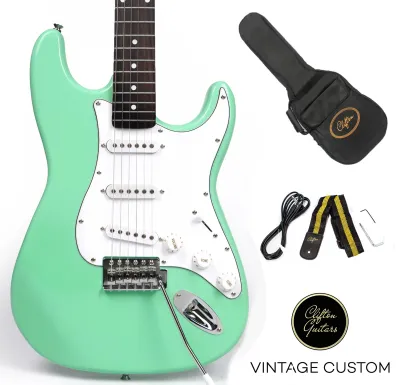
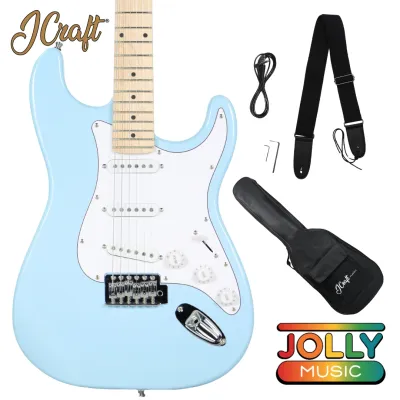
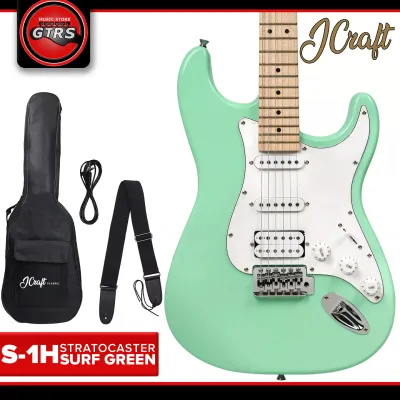
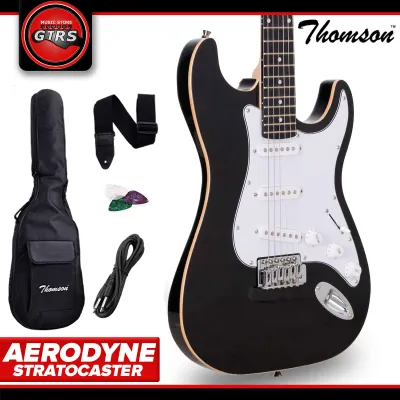
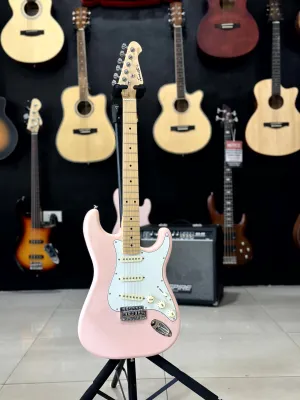
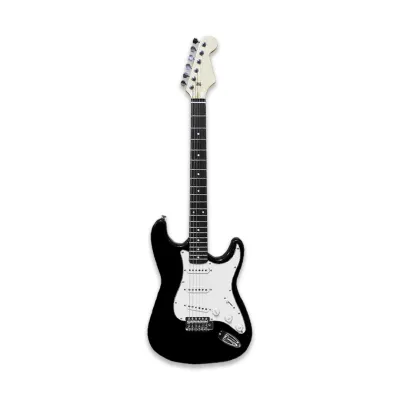
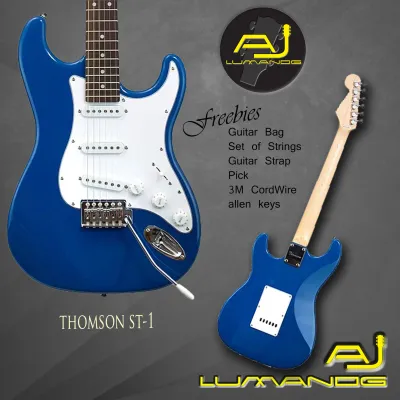
Prices are valid at publication and may change. Please refer to the product page for the latest price.

Body Contours and Weight Traditional electric guitars often feature sharp, square edges that can press uncomfortably into your ribs and forearm during long practice sessions. The Stratocaster solves this with two key design elements: the belly cut on the back of the body and the forearm contour on the front. These smooth, sloped bevels allow the guitar to hug your torso comfortably whether you are sitting down on a stool or standing up with a strap. Additionally, Stratocasters are typically made from lightweight tonewoods like alder, poplar, or pine, keeping the overall weight manageable for younger players or those concerned about shoulder fatigue.
Neck Profiles and Scale Length The scale length of a guitar—the distance between the nut and the bridge saddles—directly impacts string tension and fret spacing. The Stratocaster features a standard 25.5-inch scale length. This longer scale length creates slightly higher string tension compared to shorter-scale instruments, giving the strings a snappy, responsive feel. While this tension requires a bit more finger strength to bend strings initially, the slightly wider fret spacing provides clear, distinct targets for your fingers, which can help beginners avoid accidentally muting adjacent strings.
When shopping for a Stratocaster, you will also encounter different neck shapes and fretboard dimensions. Most modern beginner models feature a Modern “C” neck profile, which is relatively thin and fits comfortably in a wide variety of hand sizes. You should also pay attention to the fretboard radius, which measures the curvature of the fingerboard. A modern 9.5-inch radius offers a balanced compromise, providing enough curve to make holding down open chords comfortable while remaining flat enough to prevent notes from choking out when you attempt basic string bends.
Accessibility to Upper Frets As you progress from basic open chords to scales and simple solos, you will need to reach the higher frets on the neck. The Stratocaster features a deep double-cutaway design, meaning the body curves inward on both sides of the neck joint. This open design allows your hand to slide effortlessly up to the 21st or 22nd fret without your palm colliding with the guitar body, a common physical barrier found on single-cutaway or traditional acoustic guitars.
Matching the Stratocaster Sound to Your Musical Goals
An instrument’s playability matters little if it cannot produce the sounds you hear in your head. The Stratocaster is celebrated for its highly adaptable voice, but understanding how its electronics work will help you determine if it matches your musical taste.
The Classic Single-Coil Tone Traditionally, a Stratocaster is equipped with three single-coil pickups. These pickups are known for producing a bright, articulate, and “glassy” tone that cuts through a musical mix with exceptional clarity. If you want to learn clean rhythm parts, expressive blues leads, or snappy funk patterns, the single-coil sound is highly desirable. However, single-coil pickups are naturally susceptible to 60-cycle hum—a low-frequency buzz that occurs when the pickups detect electromagnetic interference from household appliances, computer monitors, or fluorescent lighting, especially when you turn up the amplifier’s distortion.
Pickup Configurations To choose the right model, you must decide between two primary pickup layouts:
SSS (Three Single-Coils)
This is the traditional Stratocaster configuration. It features single-coil pickups in the bridge, middle, and neck positions. It is the ideal choice if you want to replicate the classic, historic tones of blues, indie rock, country, and vintage pop. While it offers unmatched clarity, you must accept the presence of minor background hum when using high-gain distortion pedals or high-volume amplifier settings.
HSS (Humbucker-Single-Single)
This modern variation replaces the single-coil pickup at the bridge with a humbucker. A humbucker uses two coils wound in opposite directions to cancel out unwanted hum while delivering a thicker, darker, and much more powerful sound. The HSS configuration is highly recommended for beginners who want maximum versatility. It allows you to play heavy rock, alternative metal, and punk using the bridge humbucker, while still retaining the sweet, clean single-coil tones in the middle and neck positions.
The 5-Way Selector Switch One of the greatest learning tools on a Stratocaster is its 5-way pickup selector switch. By switching between different combinations of the three pickups, you can access five distinct tonal characters:
- Position 1 (Bridge): Bright and biting, perfect for rock rhythm and country twang.
- Position 2 (Bridge + Middle): A scooped, hollow sound often described as "quack," highly popular in funk.
- Position 3 (Middle): A balanced, neutral tone that works well for general rhythm playing.
- Position 4 (Middle + Neck): Warm yet clear, ideal for smooth pop and neo-soul chords.
- Position 5 (Neck): Deep, round, and woody, the signature tone for expressive blues solos.
This built-in variety allows beginners to experiment with different sonic textures and develop their musical ear without needing to buy expensive external effects pedals right away.
Setup, Maintenance, and the Tremolo Reality
Owning an electric guitar involves routine maintenance to keep it playing its best. The Stratocaster features a unique hardware setup that requires a basic understanding of guitar mechanics, especially when living in a tropical climate.
Understanding the Tremolo (Whammy) Bar Most Stratocasters come equipped with a synchronized tremolo system, which allows you to use a metal whammy bar to bend the pitch of all six strings simultaneously. While this is a fun and expressive tool, a floating tremolo bridge can complicate things for beginners. Because the bridge is balanced on a pivot system held in place by internal tension springs, changing strings or tuning one string can alter the tension of the others, causing the guitar to slip out of tune more easily during aggressive play.
If you find the tremolo system too frustrating to keep in tune, you can easily “deck” the bridge. This involves tightening the metal claw screws inside the back cavity of the guitar so the bridge plate rests flat against the wooden body. This simple adjustment essentially turns the tremolo into a stable, fixed bridge, vastly improving tuning stability while still allowing you to lower the pitch if desired.
Climate Considerations for the Philippines Living in a tropical environment with high relative humidity and significant temperature shifts presents specific challenges for wooden instruments. When moving your guitar between hot, humid outdoor air and cool, dry air-conditioned rooms, the wood of the neck will naturally expand and contract. This environmental stress can cause the neck to bow, resulting in high string action or fret buzz. It can also lead to “fret sprout,” where the wooden fingerboard shrinks slightly, leaving the sharp metal ends of the frets exposed along the sides of the neck.
To protect your instrument, establish a consistent care routine:
- Wipe down the strings, fretboard, and metal hardware with a clean, dry microfiber cloth after every playing session to remove sweat and corrosive oils.
- Store your guitar in a padded gig bag or a hard case when not in use, rather than leaving it exposed on a wall hanger.
- Place silica gel packets or specialized two-way humidity control packs inside the case to help stabilize the moisture levels around the wood.
Setup Adjustments A proper setup is essential for any beginner guitar. This process involves adjusting the truss rod inside the neck to correct bowing, setting the saddle heights for comfortable action, and adjusting the saddle positions for accurate intonation. Because a floating tremolo bridge is more complex to balance than a fixed bridge, do not hesitate to take your new guitar to a qualified local guitar technician for an initial professional setup. Always consult the manufacturer’s care instructions before attempting to adjust the truss rod or bridge hardware yourself.
When to Consider Alternative Beginner Electric Guitars
While the Stratocaster is an exceptional instrument, it is not the perfect match for every player’s physical needs or musical preferences. Exploring alternative designs can help you make a more informed purchase.
For Heavy Music and Simplicity If you are drawn exclusively to heavy metal, hard rock, or drop-tuned modern styles, you may want to look at guitars equipped with dual humbuckers (an HH configuration) and a fixed bridge. Instruments like a Telecaster-style hardtail or a Les Paul-style guitar offer excellent tuning stability, simpler string changes, and a thicker, high-output tone that handles heavy distortion without any single-coil hum.
For Smaller Hands or Shorter Scale Preference If you have smaller hands or find the string tension of a 25.5-inch scale length too stiff, consider a short-scale electric guitar. Models with a 24-inch scale length, such as a Squier Mustang or Duo-Sonic, feature closer fret spacing and lower string tension. This makes pressing down on the strings and bending notes significantly easier on beginner fingertips.
Budget and Starter Packs When planning your purchase, remember that the guitar is only one part of the equation. You will also need to budget for an amplifier, an instrument cable, a guitar strap, a digital tuner, and a gig bag. For beginners, reputable entry-level bundles offer consistent quality control and excellent value. In the local market, high-quality entry-level Stratocaster models typically range from approximately ₱9,000 to ₱25,000 depending on the specific series, making them an accessible investment for aspiring musicians.
Frequently Asked Questions (FAQ)
Do I need a specific amplifier to make a Stratocaster sound good?
No specific amplifier model is required, but a modern digital modeling amplifier is highly recommended for beginners. These amplifiers feature built-in digital effects and various amp simulations, allowing you to explore the Stratocaster’s versatile tonal range without needing to purchase separate effects pedals right away.
Is a Squier Stratocaster good enough for a beginner?
Yes, Squier is Fender’s official entry-level brand and offers outstanding value. Modern manufacturing techniques ensure that Squier’s entry-level series provide excellent playability, comfortable neck profiles, and reliable hardware that can easily support your learning journey for several years.
Should I learn on an acoustic guitar before buying a Stratocaster?
No, you do not need to learn on an acoustic guitar first. Electric guitars actually feature thinner strings, lower action, and narrower necks, making them physically easier to play and much more forgiving on beginner fingertips. If your ultimate goal is to play electric music, starting directly on a Stratocaster is highly motivating and perfectly appropriate.
Community discussion
Share your experience or ask a question. Comments are reviewed before publication.