
A pancake drum set—characterized by its ultra-shallow, low-profile shells—can be an excellent starting point for a beginner drummer, but only under specific living and practice conditions. If you are dealing with limited floor space, strict noise boundaries, or need a highly portable kit that you can easily pack away, a pancake setup is highly suitable. However, if your primary goal is to develop traditional acoustic rebound, master full dynamic range control, or learn on standard kit ergonomics, a conventional drum kit is generally the better choice. It is also important to distinguish between the two main form factors: shallow-shell acoustic pancake kits, which use real drumheads and thin wooden or metal hoops, and low-profile electronic trigger pads, which rely on digital sound modules and rubber or mesh surfaces.
Quick Assessment: Should You Start With a Pancake Drum Set?
A quick diagnostic check can help you determine if a pancake drum set aligns with your immediate goals. This setup is ideal if you live in a shared space where every square meter counts, or if you need to minimize the deep, wall-shaking vibrations that standard drums produce. It is also perfect for musicians who travel frequently or need a secondary practice kit that can be packed into a single bag.
Conversely, a pancake kit is not ideal if you want to build muscle memory that translates perfectly to a standard acoustic kit without any adjustment. The lack of shell depth alters how the drumsticks bounce off the head, requiring a slightly different physical approach. Additionally, if you plan to play heavy rock or metal where deep, booming resonance is essential, the dry and fast-decaying tone of shallow shells may feel underwhelming.
Products mentioned in this guide
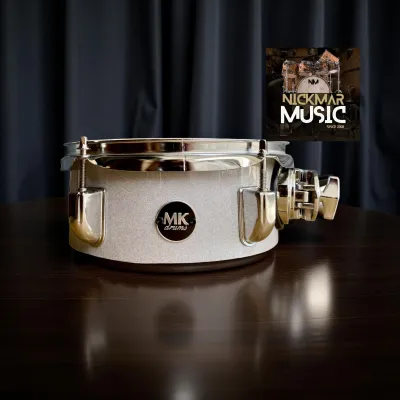
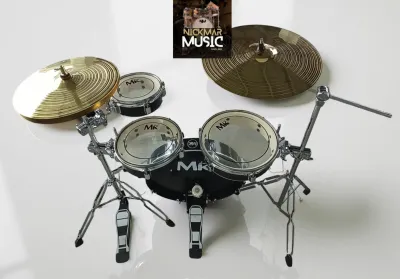
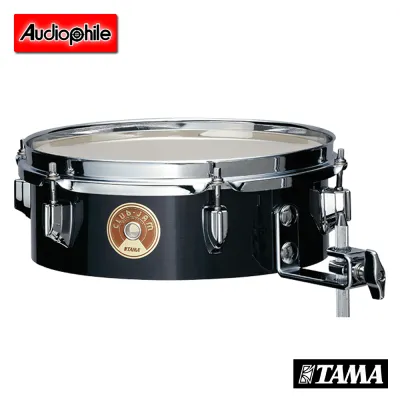
Prices are valid at publication and may change. Please refer to the product page for the latest price.
Diagnose Your Space and Living Constraints
When choosing your first drum kit, your physical environment plays a massive role in determining what is practical. Traditional acoustic drum sets require a significant footprint, often taking up an entire corner of a room. In contrast, a pancake drum set features shells that are only a few inches deep, drastically reducing the overall physical volume of the instrument. This compact design makes it much easier to set up in tight spaces, such as a small bedroom, a shared apartment, or a condominium unit where floor space is at a premium.

Beyond the physical footprint, noise transmission is a critical factor. Standard-depth drums produce deep, resonant low frequencies that easily travel through walls and floors, often leading to noise complaints from neighbors. Because pancake drums have minimal shell depth, they produce less low-end resonance and a shorter acoustic footprint. While they are still acoustic instruments, the lack of deep shell vibration means the sound decays rapidly and does not carry through concrete walls or wooden floors as intensely as a full-sized kit.
Portability is another major consideration, especially if you live in a tropical climate like the Philippines, where high humidity can make transporting gear a challenge. Standard drum kits are heavy, bulky, and require a large vehicle. A pancake kit, however, can often fit into a single lightweight carrying bag or a couple of compact cases. This makes it incredibly easy to pack up and store in an air-conditioned room to protect the wooden shells and drumheads from humidity-induced warping. If you need to clear your practice space after every session, the ease of tearing down and storing a pancake kit is a massive advantage.
Assess Your Practice Goals and Technique Transfer
As a beginner, the physical feedback you receive from your instrument shapes your foundational playing habits. The rebound and stick response of a drumhead are heavily influenced by the air volume inside the drum shell. On a standard-depth drum, the air column cushions the stroke, providing a natural bounce that helps you learn proper stick control. On a pancake drum, the extremely shallow shell means there is very little air volume, resulting in a stiffer, more immediate rebound. You will need to adjust your stroke mechanics slightly to compensate for this tighter feel, which can make transitioning to a standard acoustic kit feel foreign.
Ergonomics and hardware adjustability are also vital for developing good posture. Because pancake kits use low-profile shells, the mounting hardware and stand heights must be adjusted carefully to match your physical build. Beginners must ensure that the drum throne can be set to a height where the thighs are slightly angled downward, and the shallow drums must be positioned so you do not have to hunch over. Some compact kits have limited hardware flexibility, meaning taller players might struggle to find a comfortable, ergonomically sound playing position.
Finally, practicing on shallow shells impacts how you develop dynamic control and specific physical techniques. Learning to play softly (ghost notes) versus loudly (accented strokes) requires a sensitive drumhead response. Pancake drums tend to have a narrower dynamic range; they reach their maximum volume quickly and can sound choked when hit too hard. Additionally, techniques like rimshots and cross-sticks require a certain rim depth and angle to execute comfortably. While you can still learn these techniques on a pancake snare, the physical margin for error is smaller, demanding high precision.
Verify Sound Profile Against Your Musical Goals
The acoustic properties of a drum kit dictate the genres of music it can convincingly replicate. Pancake drums are known for their fast decay, dry attack, and focused, high-pitched tone. Because there is no deep shell to resonate, the sound starts and stops almost instantly. This dry, punchy sound profile is highly sought after in specific genres such as funk, hip-hop, modern pop, and electronic music, where clean, separated drum hits are preferred. It is also highly useful for home studio tracking, as the lack of muddy low-end frequencies makes the drums easier to mix.
However, if your musical passion lies in heavy rock, metal, or traditional jazz, the tonal limitations of a pancake kit may leave you feeling unsatisfied. Heavy rock and metal rely on the deep, booming projection of large bass drums and deep tom-toms to cut through loud guitar amplifiers. Traditional jazz requires warm, open, and singing tones with plenty of sustain, which shallow shells simply cannot produce. Trying to force a pancake kit to sound like a classic rock setup often leads to over-striking, which can damage the drumheads.
Tuning and maintenance also differ significantly on shallow shells. Pancake drums have a narrower tuning range compared to standard drums. To get a usable sound, you must pay close attention to head selection and tension. Single-ply heads can sound overly ringy on shallow shells, while heavy two-ply heads might choke the sound entirely. Beginners will need to experiment with minor muffling techniques, such as using dampening gels, to control unwanted overtones. Additionally, because the shells are thin, keeping them in tune requires frequent checks, especially when exposed to temperature and humidity fluctuations.
Alternative Paths: When to Consider a Standard Drum Kit
While a pancake drum set offers clear spatial and volume benefits, there are distinct signs that a beginner should opt for a standard kit instead. If you find that your technical progression is stalling because you cannot practice realistic rebound, or if you are constantly frustrated by the lack of deep bass response, it is time to consider a traditional setup. Standard acoustic kits or full-sized electronic drum kits provide a more authentic playing experience that translates directly to school band setups, rehearsal studios, and live performance venues.
Budget and long-term value are also important pieces of the decision framework. While a compact pancake kit might seem like a cost-effective entry point, standard beginner drum kits are highly common and widely available on the secondhand market. In the Philippines, you can often find pre-owned standard kits on local online marketplaces for a similar price to a new, niche compact set, often saving you thousands of pesos (₱). Furthermore, standard kits offer far better long-term upgradeability. You can easily swap out individual drums, upgrade the hardware, or replace the cymbals as your skills grow. Niche pancake kits often use proprietary mounting systems, making them difficult to customize.
If you do decide to start with a pancake drum set due to immediate space constraints, you can plan a gradual transition strategy. Many drummers keep their compact pancake kit for quiet home practice or quick travel gigs, while investing in a standard snare drum or high-quality cymbals that can eventually transition to a full-sized kit. This modular approach allows you to build your dream setup slowly without outgrowing your initial investment too quickly, ensuring that your passion for drumming continues to develop smoothly.
Frequently Asked Questions (FAQ)
Can I use a pancake snare as the main snare on a standard beginner kit?
Yes, you can use a pancake snare as your primary snare, provided it fits securely on a standard snare stand. Because of their shallow depth, some pancake snares may sit too low on traditional stands, requiring a stand with a highly adjustable basket. Tonally, a pancake snare will deliver a very sharp, high-pitched crack with minimal sustain. While this works well for bright, articulate styles, you may find it lacks the body and low-end warmth required for general-purpose rock or pop playing, making it highly popular as a secondary effects snare.
Do pancake drum sets require special drumsticks or heads?
Pancake drum sets do not strictly require proprietary sticks or heads, as they use standard diameters. However, choosing the right accessories can greatly improve your playing experience. Lightweight drumsticks, such as 7A or maple sticks, are highly recommended because they prevent you from over-striking the shallow shells and choking the tone. For drumheads, coated single-ply or lightly dampened heads work best to control the naturally bright and ringy overtones of shallow drums without killing the limited resonance they possess. Always verify the exact shell diameter before purchasing replacement heads.
Are compact electronic drum pads considered pancake drum sets?
No, compact electronic drum pads and acoustic pancake drum sets belong to different product categories, though they serve similar space-saving needs. Acoustic pancake kits rely on physical shells and drumheads to produce sound naturally, offering a real acoustic feel but with limited volume control. Compact electronic pads use rubber or mesh trigger surfaces to send digital signals to a sound module, requiring headphones or an amplifier to be heard. When choosing between them, consider whether you want to practice physical acoustic stick response or prefer the silent practice of an electronic setup.
Community discussion
Share your experience or ask a question. Comments are reviewed before publication.