
Whether a Murphy’s Law book is worth your time and money depends entirely on your current self-improvement goals. If you are looking for dense, clinical strategies to overhaul your life, these books will likely fall short. However, if you want to build resilience, learn to reframe inevitable setbacks, and approach risk management with a lighter mindset, they can offer genuine value. This guide will help you diagnose whether this specific genre aligns with your personal development needs before you make a purchase.
In the landscape of self-improvement, literature often swings between dry academic texts and overly optimistic guides. Murphy’s Law books occupy a unique middle ground, blending observational humor with practical philosophy. By examining the famous adage that “anything that can go wrong will go wrong,” these books invite readers to confront reality with a healthy dose of preparation.
Understanding what these books actually deliver is the first step toward making an informed purchase. Rather than offering a magic formula for success, they provide a framework for navigating daily chaos. For readers navigating unpredictable weather, sudden transit delays, or power interruptions, learning to laugh at and prepare for life’s minor disruptions is a highly practical skill.
Products mentioned in this guide

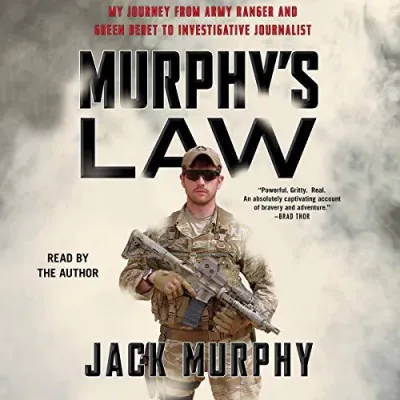

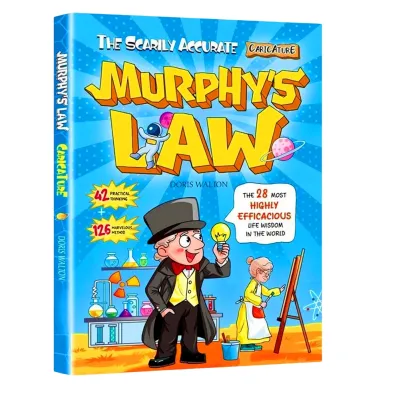
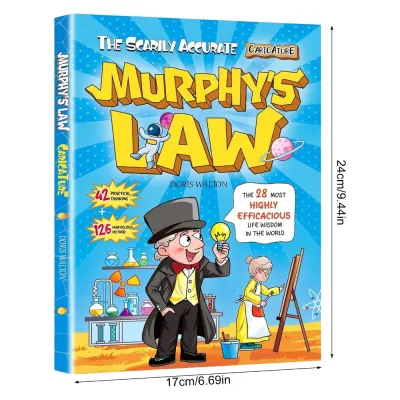

Prices are valid at publication and may change. Please refer to the product page for the latest price.
What to Actually Expect From a Murphy Law Book
Before adding a Murphy’s Law book to your physical or digital shopping cart, it is essential to understand its core purpose and tone. These publications are not scientific journals or rigorous engineering manuals. Instead, they are designed to be accessible, engaging, and often humorous explorations of human error, systemic vulnerabilities, and the unpredictability of daily life.
The content of these books generally falls into two categories. Some are purely comedic compilations of funny mishaps, designed solely for entertainment and quick laughs. Others use the central adage as a springboard to teach cognitive bias awareness, basic risk management, and psychological coping mechanisms. When browsing, you must distinguish between these two styles to ensure you select a volume that aligns with your reading goals.
At its heart, Murphy’s Law is used in these books as a lens for building resilience rather than a strict scientific principle. The authors do not suggest that the universe is actively conspiring against you. Instead, they highlight how human perception tends to remember failures more vividly than successes, helping you recognize your own cognitive biases.
The standard format of a self-improvement-focused Murphy’s Law book combines anecdotal humor with accessible advice. You will typically find short, relatable stories about everyday failures, followed by brief analyses of why things went wrong and how a simple contingency plan could have altered the outcome. This lighthearted structure makes the concepts easy to digest during a short commute or a relaxed afternoon.
Signs This Genre Matches Your Personal Development Needs
Determining whether this genre is right for you requires a quick self-diagnosis of your current personal growth objectives. If your primary goal is to build psychological resilience, a Murphy’s Law book can be an excellent tool. It teaches you to expect the unexpected, allowing you to reframe inevitable daily setbacks with humor and composure rather than immediate frustration.

This genre is also highly suitable if you are looking for an accessible, low-pressure introduction to risk anticipation. Traditional project management books can feel dry and overwhelming with their complex charts and technical jargon. A Murphy’s Law book simplifies these concepts, teaching you the basics of contingency planning through everyday scenarios that anyone can easily relate to.
If you struggle with rigid, highly structured habit-building systems, you may find comfort in this more relaxed approach. Many popular self-help books demand strict daily routines, early wake-up times, and meticulous tracking systems that can feel exhausting to maintain. In contrast, Murphy’s Law books offer observational wisdom that you can apply organically to your life without feeling pressured by a demanding schedule.
Furthermore, this reading material is ideal for those who appreciate dry humor and irony. If you find overly cheerful, positive-thinking guides to be unrealistic or alienating, the grounded realism of Murphy’s Law can feel incredibly refreshing. It acknowledges that life is messy, imperfect, and unpredictable, which is often exactly what a reader needs to hear to feel less alone in their struggles.
When to Skip Murphy's Law and Choose Other Self-Help Books
While these books offer distinct benefits, they are not a universal solution for every personal development challenge. It is crucial to recognize their limitations so you do not spend your hard-earned money on a book that cannot address your specific needs. For instance, if you are seeking clinical guidance for managing severe anxiety, deep-seated trauma, or chronic pessimism, this genre is not appropriate. In such cases, you should seek resources written by licensed mental health professionals or consult a qualified therapist.
Similarly, if you require rigorous, step-by-step risk assessment frameworks for high-stakes professional environments, a general-audience Murphy’s Law book will prove insufficient. Engineers, project managers, and operations specialists should look for specialized industry manuals, formal risk-management textbooks, or professional certification guides that offer precise, standardized methodologies.
You should also bypass this genre if your primary objective is to establish a highly structured productivity system or a strict daily routine. These books do not provide step-by-step templates for time management, goal setting, or habit tracking. If you need a concrete plan to organize your workday or boost your output, you will find far more value in dedicated productivity literature.
Finally, if you are currently experiencing a period of intense personal discouragement, reading about endless potential failures—even in a humorous context—might feel counterproductive. It is important to match your reading material to your current emotional state, opting for more encouraging or solution-oriented books when you need a boost in morale.
How to Verify the Book's Value Before You Buy
To ensure you make a satisfying purchase, it is wise to perform a few quick checks before heading to the checkout counter or clicking the buy button on an online marketplace. First, always check the table of contents and read a few sample pages if they are available. This allows you to confirm that the balance between lighthearted humor and actionable advice matches your personal preference.
Next, verify the specific edition, language, and format of the book. Whether you prefer a physical paperback, a digital e-book, or an audiobook, make sure the file format or physical copy is fully compatible with your reading devices and lifestyle. Checking the publisher’s details can also help you avoid abridged versions or poorly formatted digital transfers.
It is equally important to review the author’s background and credentials. A book written by a professional comedian will offer a very different experience compared to one written by a cognitive psychologist, a business consultant, or an engineer. Understanding the author’s perspective helps you anticipate whether the book will lean heavily toward entertainment or practical, real-world application.
Lastly, look for independent editorial descriptions or community summaries to gauge the book’s overall reception. Avoid relying solely on promotional blurbs on the cover, which often use exaggerated marketing language. By taking these simple steps, you can confidently select a book that provides genuine value for your personal growth journey.
Frequently Asked Questions (FAQ)
Can reading about Murphy's Law make me more pessimistic?
Reading about Murphy’s Law does not have to lead to pessimism if you approach the material with the right mindset. There is a significant difference between defensive pessimism, which involves proactively preparing for potential issues, and fatalism, which is the passive belief that failure is entirely unavoidable. Murphy’s Law books aim to encourage the former, helping you build practical readiness rather than despair. However, everyone reacts differently to reading material. If you find that focusing on potential mishaps triggers excessive anxiety or a negative outlook, it is best to stop reading and choose a book with a more positive, uplifting tone.
Are Murphy's Law books suitable for professional development?
These books can be highly useful for general professional development, particularly when it comes to improving team morale and encouraging open discussions about mistakes. They offer a lighthearted way to introduce basic risk awareness and contingency planning to a team, helping to destigmatize errors and foster a culture of preparedness. However, they are not a substitute for formal professional training. They cannot replace industry-specific compliance courses, rigorous operational manuals, or official safety certifications required in high-stakes work environments. Use them as a supplementary tool to build a resilient mindset, rather than a primary professional guide.
Community discussion
Share your experience or ask a question. Comments are reviewed before publication.