
Deciding on your very first instrument is a pivotal moment in your musical journey. If you have been researching options, the name Martin has undoubtedly appeared as a highly respected benchmark in the acoustic world. While these instruments are celebrated globally for their rich history and exceptional tone, their premium price tag can make any beginner hesitate.
Investing in a Martin acoustic guitar as a beginner is worth it if you have a secure budget, a clear long-term commitment to learning, and a developed appreciation for acoustic tone. However, if you are still testing your interest or operating under strict financial limits, starting with a high-quality mid-range alternative is often the more practical path. Choosing the right instrument requires balancing your personal dedication, financial boundaries, and the specific environmental demands of owning a premium guitar.
Evaluate Your Commitment and Budget Before Buying
Before comparing specific guitar models, you must honestly assess your personal dedication to learning the instrument. Learning to play the guitar is a rewarding but challenging endeavor that requires consistent practice over several months before you can play fluidly. If you are uncertain whether you will stick with the hobby past the first few weeks, allocating a significant sum to a premium instrument carries a high financial risk. Conversely, if you are certain of your long-term commitment, starting with an inspiring instrument can prevent the need for a costly upgrade later.
Products mentioned in this guide

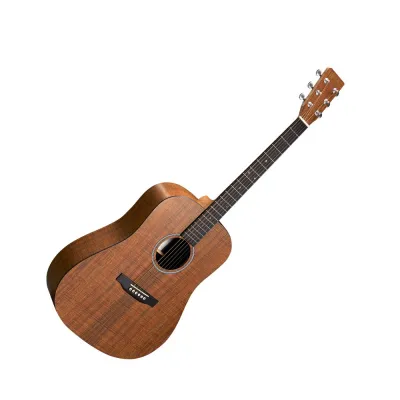
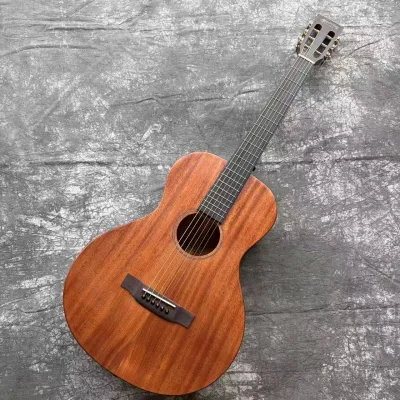
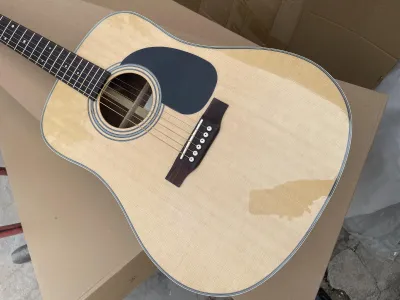
Prices are valid at publication and may change. Please refer to the product page for the latest price.
The financial landscape of buying a guitar in the Philippines spans a wide range. Mass-produced entry-level guitars typically cost between ₱3,000 and ₱10,000, offering a low-barrier entry point for casual hobbyists. In contrast, a premium heritage brand like Martin represents a major financial investment. Even Martin’s entry-level models, such as the X Series or the Junior Series, generally range from ₱35,000 to ₱55,000. If you look toward their renowned Standard Series, which includes historic models like the D-28 or 000-18, prices easily exceed ₱150,000.
When planning your purchase, you must also factor in essential hidden costs that go beyond the price tag of the guitar itself. A beginner needs a reliable clip-on tuner, a comfortable strap, a capo, a high-quality gig bag or hard case, and spare strings. Furthermore, acoustic guitars often require a professional setup—adjusting the truss rod, nut, and saddle—which typically costs between ₱1,500 and ₱3,000 at local specialty shops. For a premium instrument, setting aside a budget for professional maintenance is crucial to ensure optimal playability and comfort.
Finally, living in a tropical climate like the Philippines introduces significant environmental maintenance demands. High relative humidity, which frequently exceeds 70% to 80% locally, can cause solid wood to swell, warp, and lift at the glue joints. To protect your investment, you must budget for humidity control accessories, such as specialized guitar dehumidifiers, silica gel packs, or a dedicated hard case. Neglecting these environmental factors can lead to structural damage that costly repairs may not fully resolve.
What Defines the Martin Acoustic Guitar Experience?
To understand why Martin guitars command such premium prices, you must look at the specific design and manufacturing characteristics that define the brand. Martin is widely credited with pioneering the dreadnought body shape and the scalloped X-bracing pattern, both of which are fundamental to the modern acoustic guitar. These historical innovations produce a highly distinct tonal profile characterized by deep, warm bass frequencies, clear mid-range projection, and complex harmonic overtones. For many players, this classic acoustic sound is the benchmark against which all other guitars are measured.

The physical construction and material selection of a Martin guitar also set it apart from mass-produced student instruments. While budget guitars rely heavily on cheap plywood or low-grade laminates, Martin utilizes premium tonewoods such as Sitka spruce, mahogany, and East Indian rosewood. These woods are carefully aged and dried to maximize resonance and structural stability. The precision of their joinery, fretwork, and neck-to-body connections ensures that the instrument can withstand high string tension while remaining highly responsive to subtle playing dynamics.
This commitment to premium materials and traditional construction directly influences the longevity of the instrument. When properly maintained, a Martin acoustic guitar is built to last for decades, often improving in tone as the wood ages and matures—a phenomenon known as “opening up.” This durability contrasts sharply with cheap entry-level guitars, which often suffer from neck warping or structural failure within a few years of regular use.
Additionally, the market behavior of premium acoustic guitars offers a unique advantage. While mass-produced beginner instruments lose most of their resale value immediately after purchase, a well-maintained Martin holds its value remarkably well on the secondary market. While you should never view a musical instrument as a guaranteed financial investment, owning a Martin provides a level of asset security. If you ever decide to sell the instrument, you can expect to recoup a significant portion of your initial expenditure, provided the guitar remains in excellent structural condition.
Signs a Martin Is the Right First Guitar for You
For certain beginners, bypassing the traditional student-grade instruments and going straight to a Martin is a highly logical choice. If you possess a flexible budget and subscribe to a “buy once, buy right” philosophy, starting with a lifetime instrument makes practical sense. Purchasing a high-quality guitar from day one eliminates the hassle, depreciation losses, and eventual transaction costs associated with buying, selling, and upgrading through multiple mid-range instruments as your skills progress.
Another clear indicator is a high sensitivity to acoustic tone and tactile feedback. Some learners are deeply motivated by the physical sensation of a resonant instrument; hearing a rich, warm chord ring out can provide the exact inspiration needed to practice daily. If a dull, thin-sounding budget guitar discourages you from picking up the instrument, investing in a superior acoustic experience can directly contribute to your learning consistency and overall enjoyment.
Your specific musical goals can also justify starting with a premium instrument. If you are certain that you want to focus on advanced fingerstyle, traditional bluegrass flatpicking, or intricate acoustic arrangements, the nuanced dynamic range of a Martin is highly beneficial. These playing styles rely heavily on clear note separation, projection, and touch sensitivity—qualities that are often lacking in budget instruments. Having an instrument that immediately responds to subtle changes in hand positioning and pick attack allows you to develop proper technique without being limited by your gear.
When to Consider More Affordable Alternatives
While the appeal of a premium instrument is strong, there are several scenarios where a beginner should opt for a more affordable alternative. If you are exploring the guitar as a casual hobby or are unsure whether you will maintain consistent interest over the long term, a premium purchase is premature. It is highly advisable to establish a consistent daily practice habit on a reliable, budget-friendly instrument before committing a large sum of money to a heritage brand.
Strict financial constraints are another critical reason to delay buying a Martin. You should never compromise your essential living expenses or skip purchasing necessary protective gear just to afford a premium brand name. If buying a Martin leaves you without the budget for a proper hard case, a humidifier, or professional setups, the instrument’s playability and lifespan will suffer. Excellent solid-top guitars from reputable mid-range brands offer outstanding playability and respectable tone at a fraction of the cost, leaving you with ample resources for maintenance and accessories.
Physical comfort and ergonomics also play a major role in a beginner’s success. Many classic Martin models feature traditional neck profiles and wider nut widths that can feel bulky or intimidating to a novice player. Additionally, full-sized dreadnought bodies can be physically fatiguing for younger players or those with smaller frames. Many modern student-focused brands design instruments specifically with thinner neck profiles, shorter scale lengths, and compact body shapes to reduce physical strain during long practice sessions. Prioritizing physical comfort over brand prestige is often the smartest decision for a beginner’s physical development.
Smart Pathways to Owning a Martin as a Beginner
If you have decided that you want a Martin but want to approach the purchase strategically, there are several practical pathways to consider. Rather than stretching your budget for an expensive Standard Series model, you can explore Martin’s more accessible product lines. The Martin Junior Series, such as the Dreadnought Junior, features all-solid-wood construction in a slightly scaled-down body size, offering authentic Martin tone and excellent playability at a highly competitive price point. Alternatively, the X Series utilizes High-Pressure Laminate (HPL) for the back and sides, making these guitars exceptionally durable and highly resistant to the tropical humidity of the Philippines.
Navigating the second-hand market is another excellent way to acquire a premium instrument at a reduced cost. However, buying a used acoustic guitar requires a careful physical inspection to avoid costly repairs. When evaluating a used Martin, always check the neck angle by looking down the edge of the fingerboard toward the bridge; a neck that has bowed excessively may require an expensive neck reset. Inspect the top wood behind the bridge for “bellying” (excessive swelling caused by humidity or string tension), and look closely for any gaps where the bridge meets the top. Additionally, check the frets for deep grooves or wear that could cause string buzzing. To minimize risk, purchase used instruments from reputable local music stores or authorized dealers in the Philippines who can verify the instrument’s history and structural integrity.
Finally, you can adopt a strategic upgrade path that matches your skill development. Consider starting your journey with a high-quality, budget-friendly guitar featuring a solid wood top. This allows you to build consistent playing habits, learn the basics of guitar maintenance, and understand your personal preferences regarding body shape and neck profile. Once you have played consistently for a year or two and reached an intermediate level, you can confidently invest in a premium Martin, fully appreciating the upgrade in tone, craftsmanship, and playability.
Frequently Asked Questions (FAQ)
Do Martin guitars hold their value better than beginner brands?
Yes, premium acoustic guitars like Martins generally retain a much higher percentage of their original retail value compared to mass-produced beginner brands. While an entry-level student guitar might lose more than half of its value immediately on the used market, a well-cared-for Martin in excellent structural condition typically retains 70% to 80% of its value. However, you should view a Martin primarily as a high-quality musical tool rather than a guaranteed financial investment, as secondary market prices fluctuate based on local demand and the instrument’s physical condition.
Is a solid wood Martin too fragile for a first-time owner?
Solid wood instruments are not fragile in terms of structural strength, but they are highly sensitive to environmental changes. In the tropical climate of the Philippines, high relative humidity can cause solid wood to swell, which raises the string action and can eventually weaken glue joints. To protect a solid wood Martin, you must commit to proper storage habits, such as keeping the guitar in its hard case with silica gel packs or specialized guitar dehumidifiers when not in use. Always consult the manufacturer’s care guide for specific instructions on humidity control and safe storage.
Should a beginner buy a Martin acoustic-electric model?
For most beginners, a pure acoustic Martin is a more cost-effective and practical choice. Acoustic-electric models feature built-in pickups and preamps designed for plugging into amplifiers or sound systems, which increases the retail price. Unless you plan to perform live on stage, lead worship services, or record directly into an audio interface in the near future, the extra cost of onboard electronics is unnecessary. Opting for a pure acoustic model allows your budget to be fully directed toward the quality of the wood and the physical construction of the guitar.
Community discussion
Share your experience or ask a question. Comments are reviewed before publication.