
For passionate music collectors, unboxing a new release is a multi-sensory ritual. In the vibrant world of Kpop, physical albums are far more than mere delivery mechanisms for music; they are carefully curated art pieces, interactive scrapbooks, and highly coveted cultural artifacts. When entertainment agencies announce a “limited edition” version of an upcoming release, fans are immediately faced with a decision: pay a premium for exclusivity or stick to the standard version. A true limited edition Kpop album is defined by its capped production run, non-standard packaging, and exclusive physical inclusions that are never reprinted once sold out. Deciding whether these premium editions are worth collecting depends heavily on your personal collecting goals, budget, and willingness to preserve delicate physical media in challenging environments.
How to Verify if a K-Pop Album Is a True Limited Edition
Before committing your hard-earned budget to a premium release, it is vital to verify that the album is indeed a genuine limited edition rather than a standard version with clever marketing. The most immediate sign is the physical packaging. While standard albums typically utilize paper sleeves, softcover booklets, or uniform jewel cases, limited editions often feature oversized box sets, digipaks, or high-end materials such as velvet, metal, or transparent acrylic slipcases. These structural differences make the album feel substantial and distinct from the rest of an artist’s catalog.
Exclusive physical inclusions represent another reliable marker of a true limited run. Look for items unique to the specific edition, such as special-edition photocards, concept polaroids, mini-posters, or lenticular cards that cannot be found in regular versions. To prevent disappointment, always verify the exact edition, language, medium or file format, regional restrictions, device compatibility, and content completeness from official manufacturer specifications rather than inferring what is inside based solely on the cover art or a product title.
Products mentioned in this guide
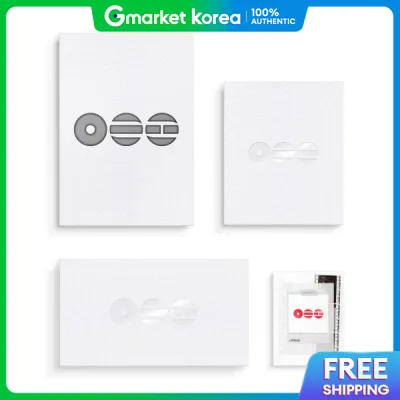
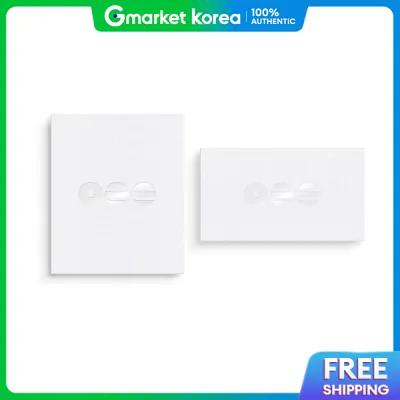

Prices are valid at publication and may change. Please refer to the product page for the latest price.
Authenticity markers and serial numbers offer concrete proof of a capped production run. Many genuine limited editions feature individual serial numbers, certificates of authenticity, or specific government-issued music distribution stickers—such as the gold or silver KOMCA (Korea Music Copyright Association) hologram stickers—which verify the album’s origin. If an album lacks these physical markers or is marketed without clear documentation of its limited nature, it may simply be a first-press run rather than a true limited edition.
Finally, pay close attention to the release channels. True limited editions are frequently restricted to specific official fan platforms, official brand stores, or exclusive broadcast partnerships rather than general mass-market distribution. When production is strictly capped, these albums often sell out during the initial pre-order window, making it essential to source them from authorized, verified outlets to avoid counterfeit copies.
Regular vs. Limited Edition: What You Actually Get for the Premium
Understanding the tangible differences between a regular album and its limited counterpart is crucial before paying a premium. The most important technical detail to clarify is the core music content. The audio tracks on the CD, digital download, or platform card are typically identical across all versions of a release. When you purchase a limited edition, you are paying for the physical collectibles and aesthetic presentation, not for exclusive songs or superior audio quality.

The photobook and paper goods represent a major area of differentiation. While regular versions usually feature standard-sized paper and a modest page count, limited editions often include much thicker, hardcover photobooks printed on premium, heavy-weight paper. These exclusive books frequently showcase entirely different photoshoots, behind-the-scenes concepts, and artistic themes that are completely absent from the standard releases, offering a deeper visual dive into the artist’s creative era.
The volume of physical inclusions also increases significantly with a limited edition. A standard album might include one or two random photocards from a large pool, encouraging trading among fans. In contrast, a premium limited box set might guarantee a full set of member photocards, exclusive sticker sheets, standees, and standalone postcards. This completeness appeals directly to collectors who want to avoid the secondary market hunt for individual items.
Shelf appeal and physical dimensions are designed to make these editions stand out. Limited editions often abandon uniform dimensions in favor of unique shapes, oversized boxes, or elaborate spine designs that serve as centerpieces for a display shelf. This makes them highly attractive to fans who view their music collection as a visual extension of their fandom, though it presents distinct storage challenges.
Signs That a Limited Edition Is Worth the Investment for You
Determining if a limited edition Kpop album is worth the extra cost requires evaluating your personal collecting habits and financial boundaries. A primary indicator that the premium is justified is if you are a highly dedicated collector or a fan of a specific “bias” (your favorite group member). If your ultimate goal is to complete a group’s full physical discography or secure every official photocard variant featuring your favorite artist, the limited edition represents a vital, non-negotiable milestone in your collection.
You should also consider how much you value physical aesthetics and the tactile unboxing experience. If you genuinely appreciate high-quality printing, innovative structural packaging, and the sensory pleasure of unboxing rare, beautifully designed items, the premium directly enhances your enjoyment of the hobby. For these collectors, the physical album is an interactive art piece that brings ongoing satisfaction every time it is displayed or handled.
An understanding of secondary market dynamics can also guide your decision. While Kpop limited editions generally retain their value or even appreciate once they sell out, physical collecting should always be driven by personal appreciation rather than treating music memorabilia as a guaranteed financial investment. The secondary market can be highly volatile, and relying on future resale value to justify a purchase today is a risky strategy.
Lastly, ensure the purchase aligns comfortably with your budget. In the Philippines, a standard K-pop album typically ranges from ₱800 to ₱1,500, while limited or special editions can easily command anywhere from ₱1,800 to ₱4,000 or more, depending on the complexity of the packaging and shipping costs. You must decide whether allocating a larger portion of your budget to a single premium item brings you more satisfaction than purchasing multiple regular versions to support chart rankings, or buying official concert apparel.
When to Skip the Exclusive and Stick to the Regular Version
There are many scenarios where opting for the standard edition is the smarter, more practical choice. If your primary goal is to support your favorite artist’s first-week sales and streaming numbers, buying multiple regular versions is far more effective. Standard albums are more affordable, allowing you to purchase multiple copies to boost chart registration on platforms like Hanteo and Circle without accumulating excessive physical clutter or overstretching your finances.
Strict budget constraints are a clear signal to skip the exclusive version. If paying the premium price for a limited box set forces you to compromise on daily expenses or save less for upcoming concert tickets, it is always wiser to stick to the regular edition. The music remains the same, and your support for the artist is no less valuable if you choose the more economical option.
Storage and environmental limitations also play a significant role in this decision. Special packaging, such as large boxes or delicate paper structures, requires a substantial amount of dedicated, climate-controlled shelf space. If you live in a compact space or lack the proper storage setup to keep large, fragile items safe from dust and physical wear, standard-sized albums are much easier to organize and protect over the long term.
Finally, avoid purchasing if you have missed the initial pre-order window and are facing highly inflated secondary market markups. When limited editions sell out, third-party resellers often list them at exorbitant prices. If the markup is unreasonable, it is usually better to stick to the regular version or wait for official announcements regarding potential restocks, rather than overpaying out of fear of missing out.
Buying and Preserving Kpop Collections in the Philippines
Sourcing and maintaining delicate limited edition items in the Philippines requires specific strategies to protect your physical items. When purchasing, always navigate via authorized global K-pop music retailers or official brand stores. Be sure to factor in international shipping fees, local courier charges, and potential customs duties when ordering directly to your Philippine address, as these additional costs can significantly increase the final price of heavy, oversized limited editions.
To avoid counterfeit items and bootlegs, exercise extreme caution when browsing general e-commerce platforms and online marketplaces. Always check seller ratings, read customer reviews carefully, and request detailed photos or video proof of the KOMCA hologram sticker and the overall packaging quality. If a deal for a rare, out-of-print limited edition seems too good to be true, it is highly likely to be a counterfeit or a damaged copy.
Preserving these items in a tropical climate presents unique environmental challenges. The high humidity and ambient heat typical in the Philippines can cause paper photobooks to warp, pages to stick together, and cardboard covers to grow mold. To prevent this, store your collection in a cool, dry room away from direct sunlight, which can quickly fade vibrant cover art.
Using protective accessories is highly recommended for long-term preservation. Place silica gel packets inside your storage boxes or on your display shelves to absorb excess moisture from the air. For valuable paper inclusions, always use acid-free, PVC-free plastic sleeves to protect photocards and postcards from chemical degradation. If you notice any signs of moisture damage or warping, immediately transfer the affected items to a dry, climate-controlled environment to halt further deterioration.
Frequently Asked Questions (FAQ)
What is the difference between a Limited Edition and a Pre-Order Benefit (POB)?
A limited edition refers to the physical album version itself, which is manufactured in a capped, finite quantity with unique packaging, concepts, or physical inclusions. Once the production run is exhausted, the publisher does not reprint this version. In contrast, a Pre-Order Benefit (POB) is an exclusive promotional item—typically a special photocard, poster, or holographic card—distributed only to customers who purchase the album before its official release date. POBs are external incentives provided by specific retailers and can accompany either a regular or a limited edition of the album.
Do limited edition K-pop albums always increase in value?
No, limited edition albums do not automatically appreciate in value. While rare, out-of-print editions from highly popular groups often command high prices on the secondary market, the resale value is entirely dependent on ongoing fan demand, the group’s active career trajectory, and the pristine condition of the physical items. The collector market can be highly volatile; if a group’s popularity declines or if the album suffers from wear, humidity damage, or missing inclusions, its value can drop significantly. Collecting should always be approached as a personal hobby rather than a guaranteed financial investment.
Community discussion
Share your experience or ask a question. Comments are reviewed before publication.