
Choosing your first instrument is a deeply personal milestone. A les paul electric guitar can be an exceptional choice for a beginner, provided you are drawn to its thick, warm tone and iconic rock-and-roll aesthetic. If your favorite music consists of heavy riffs, classic rock, or warm blues, this guitar style provides the exact sonic foundation you need to stay motivated during your practice sessions.
However, its physical characteristics require careful consideration. Traditional Les Paul models are notably heavier than other electric guitars, feature thicker necks, and lack ergonomic body contours. For younger players or those with smaller frames, these traits can sometimes lead to early physical fatigue. Ultimately, deciding if a Les Paul is right for you depends on balancing your musical taste with your physical comfort and your willingness to maintain a solid-wood instrument in a tropical climate.
Assess Your Musical Goals and Tone Preferences
Before committing to any instrument, it is essential to align its natural voice with the music you actually want to play. The electric guitar you choose will shape your early playing habits, and playing an instrument that naturally produces the sounds of your favorite records will keep you coming back to practice day after day.
Products mentioned in this guide
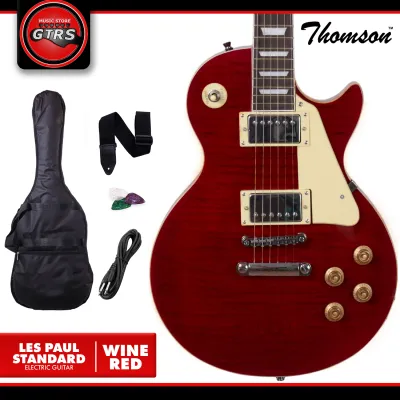
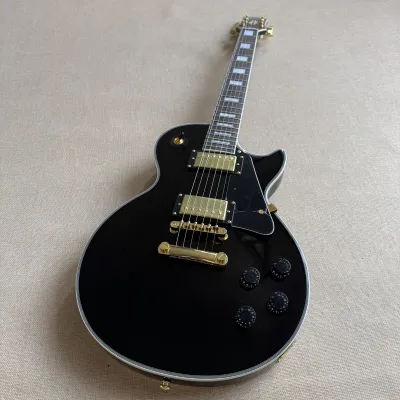
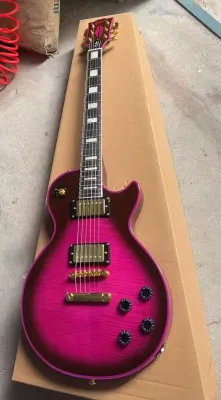
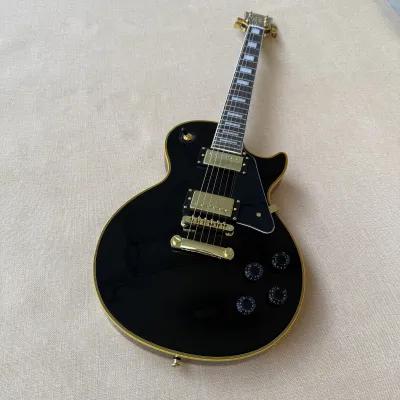
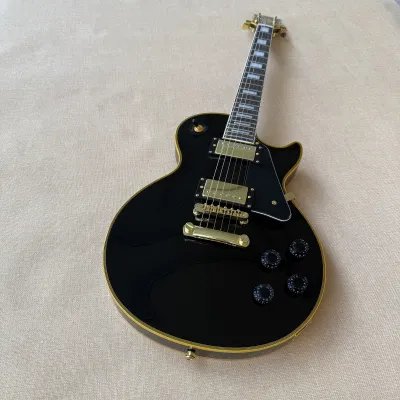
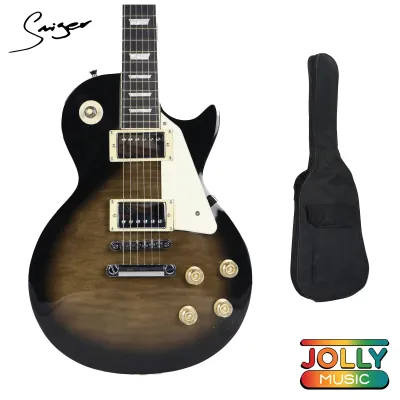
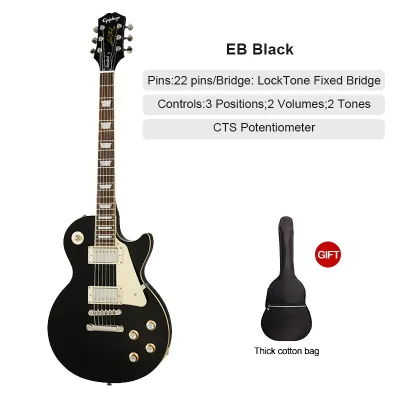
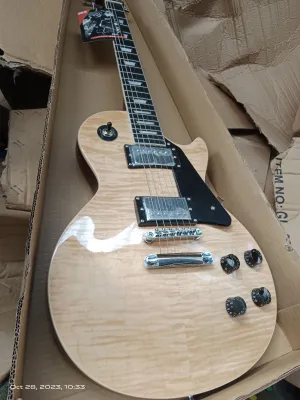
Prices are valid at publication and may change. Please refer to the product page for the latest price.
Tone and Genre Compatibility
The traditional les paul electric guitar is defined by its heavy mahogany body, maple top, and dual humbucker pickups. This specific combination of tonewoods and electronics produces a signature sound: thick, warm, and rich with natural sustain. Humbucking pickups use two coils to cancel out the electrical hum common in single-coil guitars, allowing you to use high-gain distortion and overdrive without unwanted background noise.
If your musical goals involve playing hard rock, heavy metal, blues, or jazz, the Les Paul excels in these arenas. Bands and artists who rely on this powerful, mid-range-heavy sound have made the instrument a staple of modern music. If your learning playlists are filled with thick guitar solos and heavy rhythm tracks, a Les Paul-style guitar will deliver those exact tones right out of the box.
Versatility for a Beginner's Playlist
While the Les Paul is a powerhouse for heavier genres, beginners often want to explore a wide variety of musical styles as they learn. It is important to understand how this guitar handles cleaner, lighter tones. A Les Paul can produce beautiful, warm, and jazzy clean sounds, especially when using the neck pickup.
However, because humbuckers naturally compress the signal and emphasize lower-mid frequencies, they do not produce the bright, glassy, and highly articulate “quack” or “twang” that single-coil pickups offer. If your playlist consists heavily of bright funk, country chicken-picking, or sparkling indie-pop, you may find the Les Paul’s clean tones a bit too dark or muddy. You will need to decide if you are willing to trade that ultra-bright, snappy clean tone for the thick, sustaining warmth that makes the Les Paul famous.
Evaluate Physical Comfort and Playability
An instrument can sound spectacular, but if it is physically uncomfortable to hold, you will find excuses not to practice. Because beginners need to build finger strength, hand endurance, and proper posture, the physical ergonomics of your first guitar are just as important as its sound.

Weight and Body Contours
One of the most distinct physical traits of a traditional Les Paul is its weight. Due to the dense mahogany construction, these guitars often weigh between 8 to 10 pounds (approximately 3.6 to 4.5 kilograms), which is significantly heavier than most double-cutaway electric guitars. Furthermore, classic Les Paul designs feature a flat back and a carved top without the deep belly cuts or forearm contours found on more modern guitar bodies.
When sitting down, the sharp edge of the body can press into your ribs or forearm. When standing, the weight can quickly fatigue your shoulder and back. If you are considering a Les Paul, evaluate your physical stamina. It is highly recommended to test the guitar while standing up using a wide, padded strap to distribute the weight evenly, ensuring you can comfortably manage a 30-minute practice session.
Neck Profile and Scale Length
The neck of a guitar dictates how easy it is to press down strings and form chords. Les Paul guitars feature a shorter scale length—the distance between the nut and the bridge—which is typically 24.75 inches. This shorter scale means the frets are slightly closer together, and the strings are under less physical tension. For beginners, this makes bending strings and fretting complex chords transitionally easier on the fingers compared to guitars with longer scale lengths.
However, you must also consider the neck profile, or the thickness of the wood behind the fretboard. Vintage-style “50s” neck profiles are thick, rounded, and often described as “baseball bats,” which can easily fatigue smaller hands. Conversely, “60s” slim-taper profiles are much thinner and generally far more comfortable for beginners. Always grip both styles to see which profile fits the natural curve of your hand.
Consider Budget, Gear, and Tropical Climate Care
Buying an electric guitar involves more than just purchasing the instrument itself. To set yourself up for success, you must budget for the necessary accessories and understand how to care for your investment, particularly when living in a tropical environment.
Initial Investment and Amplifier Pairing
An electric guitar cannot produce its signature sound without an amplifier. When planning your budget, avoid spending your entire allowance on the guitar alone. To truly appreciate the dynamic range and warm overdrive of Les Paul humbuckers, you need to pair the instrument with a suitable practice amplifier. Look for compact modeling amplifiers or solid-state practice amps that feature dedicated overdrive channels or built-in digital effects.
Before making a purchase, always verify the instrument’s specifications, authenticity, and authorized dealer sources to ensure you are getting a genuine product with a valid warranty. Fortunately, entry-level and intermediate Les Paul models from reputable brands offer excellent build quality and authentic tone, often ranging from ₱10,000 to ₱25,000. This price range allows you to secure a reliable instrument and a quality practice amp without requiring a premium financial investment.
Wood Care in the Humid Climate of the Philippines
The tropical climate of the Philippines presents unique challenges for wooden musical instruments. A traditional Les Paul is constructed from mahogany and maple, which are highly sensitive to changes in atmospheric moisture. High relative humidity during the monsoon season can cause the wood to swell, leading to high string action and neck bowing.
Conversely, dry heat or constant exposure to air conditioning can dry out the wood, causing fret sprout—where the metal fret ends protrude from the side of the fingerboard—or even structural cracks. To protect your guitar, store it inside a high-quality gig bag or hard case with a two-way humidity control pack when it is not in use. Never leave your guitar in direct sunlight, inside a parked car, or directly in the path of cold air-conditioning drafts. Always consult the manufacturer’s care instructions for specific maintenance guidelines.
Explore Alternative Beginner-Friendly Electric Guitars
If your physical self-assessment suggests that a traditional Les Paul might be too heavy or bulky, you do not have to abandon your musical dreams. There are several alternative guitar styles that offer different balances of comfort, tone, and playability.
Stratocaster and Telecaster Styles
The most common alternatives to a Les Paul are Stratocaster and Telecaster-style guitars. These instruments typically feature lightweight alder or basswood bodies, deep ergonomic contours that hug your body, and thin “C-shape” maple necks. Because they primarily use single-coil pickups, they deliver a much brighter, snappier, and more articulate sound.
This makes them incredibly versatile for genres like pop, indie, funk, and country. If you prioritize physical comfort, lightweight design, and clean, sparkling tones, these classic double-cutaway and single-cutaway styles are highly forgiving options for a beginner’s daily practice routine.
Modern Double-Cutaway and Short-Scale Options
If you love the thick, warm sound of humbuckers but cannot handle the weight of a traditional Les Paul, modern double-cutaway guitars offer an excellent middle ground. Many manufacturers produce mahogany-bodied guitars with dual humbuckers that utilize modern “weight-relief” chambering—routing out pockets of wood inside the body to make the guitar significantly lighter.
These instruments often feature deeper cutaways, allowing easier access to the higher frets, and modern, ultra-thin neck profiles designed for fast, comfortable playing. Additionally, short-scale modern guitars provide the reduced string tension of a Les Paul while maintaining a lightweight, compact body shape that is highly manageable for younger players or those with smaller frames.
Next Steps: How to Make Your Final Decision
Ultimately, the best beginner guitar is the one that inspires you to pick it up, tune it, and practice every single day. If an instrument sits in its case because it is too heavy or painful to play, it cannot help you reach your musical goals.
To make your final decision, visit a local authorized music retailer. Sit down with a Les Paul-style guitar, strap it on, and hold it in your lap. Compare its weight and neck profile directly with a Stratocaster or a modern double-cutaway model. If the weight feels manageable, the neck fits your hand comfortably, and the thick rock-and-roll tone sparks excitement, then the Les Paul is a highly rewarding and classic choice for your musical journey.
Frequently Asked Questions (FAQ)
Do I need a specific amplifier for a Les Paul?
No, a Les Paul will work perfectly with any standard electric guitar amplifier. However, to fully experience the rich, sustaining tone of its humbucker pickups, look for a practice amplifier that features a dedicated overdrive or distortion channel, or a digital modeling amplifier that can simulate classic tube-driven rock tones.
Are Epiphone Les Pauls good for beginners?
Yes, Epiphone is the official, authorized sister brand of Gibson, making it the most highly recommended entry point for beginners. Epiphone Les Pauls offer the authentic design, construction, and classic humbucking tone of the original models at a fraction of the cost, making them excellent, budget-friendly instruments for learning.
Will a Les Paul go out of tune easily?
A Les Paul will stay in tune reliably if it is properly maintained. Sometimes, the angled headstock design can cause minor friction at the nut slots. You can easily prevent this by ensuring your strings are wound correctly around the tuning pegs, having a professional guitar technician perform an initial setup, and applying a small amount of graphite lubricant to the nut slots during string changes.
Community discussion
Share your experience or ask a question. Comments are reviewed before publication.