
The gangsa is the definitive flat gong instrument of the Cordillera region in the northern Philippines. Unlike the bossed, knobbed gongs found in the southern parts of the country, this striking metal instrument features a completely flat surface with a narrow, folded lip. Played by various ethnolinguistic groups—including the Kalinga, Bontoc, Ifugao, Ibaloy, and Kankanaey—the gangsa serves as the heartbeat of community gatherings, rituals, and celebratory dances.
While the basic physical form of the gangsa remains consistent across different provinces, the instrument is far from uniform. Variations in metal thickness, diameter, and weight directly shape its acoustic properties. Furthermore, the way a gong is struck and held transforms its voice entirely. Understanding these physical and stylistic distinctions is essential for musicians, cultural educators, and collectors looking to appreciate or acquire an authentic igorot gong instrument.
Gangsa Topayya vs. Palook: Playing Styles and Sound Profiles
To understand how these gongs differ, one must first look at how they are played. The Cordilleran musical tradition categorizes gongs not just by their physical dimensions, but by the performance techniques that dictate their sound. The two primary styles are topayya and palook, each requiring a specific physical profile and producing a distinct acoustic character.
Products mentioned in this guide
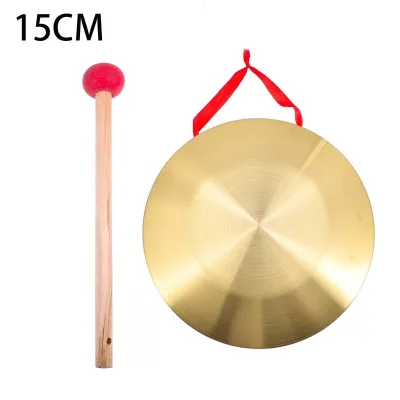
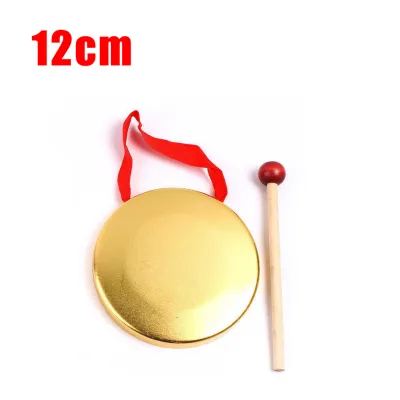
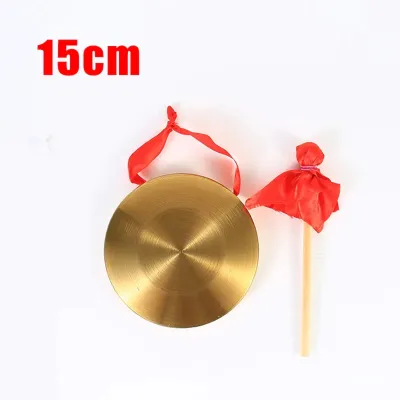
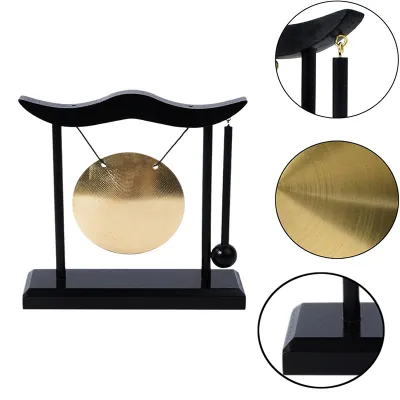
Prices are valid at publication and may change. Please refer to the product page for the latest price.
Gangsa Topayya (Hand-Played or Flat Gongs)
In the topayya style, musicians play the gongs using their bare hands while resting the instrument on their lap or holding it close to the ground. The player strikes the outer surface of the gong with one hand to produce a sharp, ringing tone, and then immediately dampens or slides the other hand across the inner or outer surface to control the vibration. This rapid alternation between striking and dampening creates a highly rhythmic, conversational texture.
Because this style relies on rapid hand movements and delicate dampening techniques, topayya gongs are typically smaller in diameter and lighter in weight. A lighter gong prevents physical fatigue during extended performances and responds quickly to the subtle touch of the player’s palm.
The resulting sound profile of a topayya gong is bright, sharp, and fast-decaying. The high-pitched tones cut through the air, allowing the interlocking rhythmic patterns of the ensemble to remain clean and distinct without turning into a muddy wash of noise. In a traditional ensemble, these hand-played gongs carry the complex, syncopated melodies that drive the dance.
Gangsa Palook (Stick-Played Gongs)
In contrast, the palook style involves striking the gong with a rounded, padded wooden stick or mallet, historically referred to as a patpat. Players hold the gong suspended in the air by a handle—traditionally made from a wooden stick or even a jawbone—while standing or dancing in a circular formation. The striking motion is direct and forceful, producing a continuous, driving beat.
Gongs selected for the palook style are generally larger, thicker, and significantly heavier than their topayya counterparts. The increased mass allows the instrument to withstand the repeated, heavy impacts of a wooden mallet without warping or cracking over time.
The acoustic profile of a palook gong is deep, mellow, and highly resonant. Striking the thick metal with a padded stick coaxes out a rich, low-frequency tone with a long sustain that reverberates across open mountain valleys. Within the ensemble, these gongs provide the foundational bass line and a steady, hypnotic pulse that synchronizes the steps of the dancers.
Decoding Gong Specs: How Size and Shape Affect Pitch
When evaluating an igorot gong instrument, understanding the physics of flat metal percussion is key to predicting how it will sound. Unlike mass-produced Western instruments, traditional gongs are handmade, meaning every piece possesses unique acoustic nuances determined by its physical specifications.

Diameter and Pitch There is an inverse relationship between the diameter of a gangsa and the pitch it produces. Within any traditional ensemble set, smaller gongs yield a higher, more piercing pitch, while larger gongs produce a deeper, lower pitch. Because traditional Cordilleran music does not conform to Western equal temperament, gongs are not tuned to specific standard musical notes. Instead, they are tuned relative to one another within a specific set to create a harmonious, cascading scale.
Center Profile The flat center of the gangsa is its defining acoustic feature. Bossed gongs focus the strike on a central knob to produce a clear, singular fundamental pitch. The flat surface of the gangsa, however, allows a wide array of overtones to ring out simultaneously. This creates a complex, slightly metallic clash that gives Cordilleran music its raw, atmospheric quality. The player must strike the sweet spot—typically midway between the center and the rim—to achieve the cleanest resonance.
Thickness and Sustain The thickness of the metal determines how long the sound will decay. Thicker gongs require more physical force to vibrate, but they retain energy longer, resulting in a deep, ringing sustain. Thinner gongs vibrate easily with a light touch but decay rapidly. If a gong is too thin for its diameter, it will produce an unpleasant, rattling distortion when struck firmly.
Material Verification Traditional, high-quality gangsa are cast from bronze or brass alloys, which offer a warm, bright, and complex resonance. Some modern or budget-friendly gongs are made from iron, steel, or scrap metal plates. While these alternative materials are durable, they lack the acoustic warmth and sustain of copper-based alloys. Because visual finishes can be deceptive, always verify the specific alloy composition and casting method with the maker or seller before purchasing, as a simple visual inspection cannot confirm acoustic quality.
How to Choose the Right Igorot Gong for Your Needs
Selecting the right gangsa depends on your musical goals, your experience level, and how you plan to use the instrument. Because these are hand-crafted cultural items, making an informed choice requires looking closely at specifications and intended roles.
For Ensemble Players If you are adding a gong to an existing ensemble, your primary goal is compatibility. You must find an instrument that fits into the relative pitch hierarchy of your current set. Bringing your existing gongs to a maker or sharing audio recordings with a seller can help ensure the new gong’s pitch complements the others without causing acoustic discord.
For Soloists and Beginners If you are learning the basic striking and dampening techniques on your own, a mid-range, versatile size is highly recommended. A gong with a diameter of 10 to 12 inches strikes the ideal balance. It is light enough to practice topayya hand-dampening without straining your wrists, yet substantial enough to handle a padded stick for palook practice.
For Collectors If you are acquiring a gangsa for display or cultural preservation, focus on structural integrity and authentic craftsmanship. Inspect the rim and the lip for hairline fractures or thinning spots, which can worsen over time and permanently ruin the instrument’s voice. Look for hand-hammered textures on the surface and seek out gongs sourced directly from recognized Cordilleran artisans to support traditional communities.
Pre-Purchase Checklist
- Confirm Dimensions: Verify the exact diameter (usually measured in inches) and the weight of the gong.
- Check the Handle: Ensure the gong features secure, pre-drilled holes and a sturdy cord or traditional wooden handle.
- Review Included Accessories: Confirm whether the gong comes with a properly weighted, padded stick or a protective carrying bag to safeguard it against humidity.
- Verify the Source: Buy from reputable makers who specialize in traditional Cordilleran instrument crafting to guarantee authentic tuning and materials.
Frequently Asked Questions (FAQ)
How do I maintain the finish of a brass or bronze gangsa?
To preserve your gangsa, wipe the metal surface with a dry, soft microfiber cloth after every use. This simple step removes sweat, skin oils, and environmental moisture, which are highly active in the humid tropical climate of the Philippines. Avoid using harsh chemical polishes, household acids, or abrasive scouring pads, as these can strip away the natural, protective patina of the metal and permanently alter the instrument’s acoustic properties. Store the gong in a dry, well-ventilated space inside a padded bag to prevent deep tarnishing.
Can I use standard wooden drumsticks to play a gangsa?
No, you should never use standard, unpadded wooden drumsticks to play a gangsa. Hard wooden tips strike the flat metal surface with concentrated force, which can easily cause permanent dents, structural warping, or micro-fractures in the cast alloy. Additionally, raw wood produces a harsh, high-pitched metallic clanking sound that ruins the natural resonance of the instrument. Always use your bare hands for topayya style, or a properly padded mallet or soft-tipped stick for palook style to safeguard the metal and achieve a warm, authentic tone.
Community discussion
Share your experience or ask a question. Comments are reviewed before publication.