
Selecting a Catholic Bible is a deeply personal decision that shapes how you engage with scripture, whether for daily prayer, academic study, or sharing your faith. The Ignatius Catholic Bible stands out primarily for its use of the Revised Standard Version, Second Catholic Edition (RSV-2CE) translation, which favors formal equivalence (word-for-word accuracy) and integrates traditional, patristic, and apologetic commentary. In contrast, other common Catholic editions available in the Philippines, such as the New American Bible Revised Edition (NABRE) or the New Jerusalem Bible (NJB), often lean toward dynamic equivalence or historical-critical study notes. The Ignatius edition is highly suited for readers seeking rigorous study, traditional theological insights, and apologetics preparation, whereas other editions may better serve those looking for liturgical alignment or highly accessible daily reading.
Understanding the differences between these editions requires looking closely at translation philosophies, the theological focus of their study notes, and the physical formats available. Because many of these Bibles are imported, local readers must also consider practical factors like durability in tropical climates and compatibility with digital reading devices. By evaluating these elements, you can find the edition that best supports your spiritual and educational goals.
Core Features of the Ignatius Catholic Bible
The Ignatius Catholic Bible is highly regarded for its commitment to literal accuracy and literary beauty. At its core is the Revised Standard Version, Second Catholic Edition (RSV-2CE). This translation updates the classic RSV Catholic Edition by eliminating archaic pronouns like “thee” and “thou” when addressing God, while retaining the formal, poetic structure of the original text. This formal equivalence approach attempts to preserve the word order, sentence structure, and unique idioms of the original Hebrew, Aramaic, and Greek texts as closely as possible, making it an excellent tool for close textual analysis and serious study.
Products mentioned in this guide
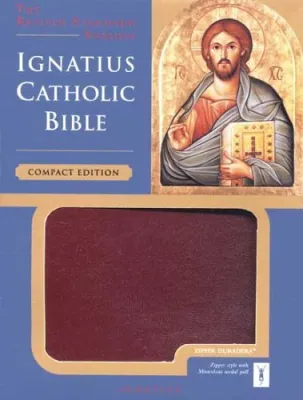
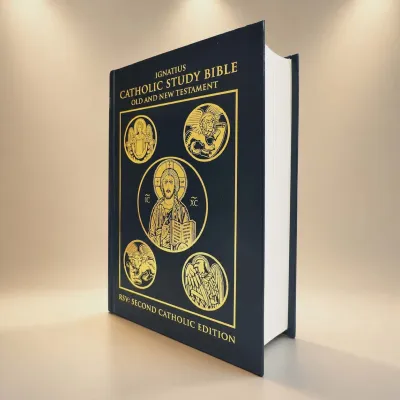
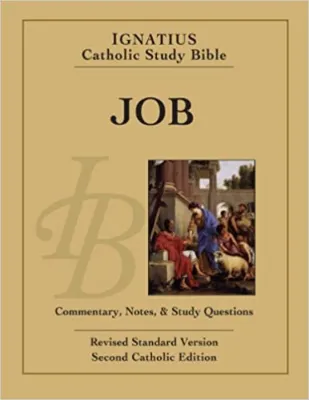
Prices are valid at publication and may change. Please refer to the product page for the latest price.
Beyond the translation itself, the Ignatius Catholic Study Bible (developed in collaboration with theologians like Dr. Scott Hahn and Curtis Mitch) is defined by its distinctive commentary. Rather than focusing solely on modern historical-critical analysis, the study notes draw heavily from the Early Church Fathers, the Doctors of the Church, and the Catechism of the Catholic Church. The commentary emphasizes biblical typology—showing how events and figures in the Old Testament foreshadow and find their fulfillment in the New Testament. It also provides robust apologetic explanations, helping readers understand the scriptural foundations of Catholic doctrines and practices.
Physical and digital formats of the Ignatius Bible vary widely to accommodate different reading preferences. Physical editions range from compact, travel-friendly paperbacks to large-print hardcover and premium leatherette volumes. Many editions feature helpful study aids, including detailed maps, doctrinal indices, and cross-references. Because these books are often printed on thin Bible paper, readers in tropical environments should pay close attention to the binding and cover materials to ensure long-term durability against humidity.
Comparing the Ignatius Bible with Other Catholic Editions
To understand where the Ignatius Catholic Bible fits in your study routine, it is helpful to compare it with other widely used Catholic translations. The primary point of divergence is translation philosophy. While the Ignatius Bible uses formal equivalence, other translations like the Good News Bible (GNB) or the Christian Community Bible (CCB) use dynamic equivalence, which translates the meaning thought-for-thought to prioritize readability and pastoral accessibility. Other prominent translations, such as the NABRE and the New Jerusalem Bible, occupy a middle ground, balancing literal accuracy with modern English phrasing.

Another major difference lies in the depth and focus of the study notes. The NABRE, which is widely used in liturgical contexts, features extensive footnotes that lean heavily toward the historical-critical method. These notes explain the historical context, literary genres, and developmental stages of the biblical texts, which is highly valuable for academic study but can sometimes feel detached from personal devotion. The Ignatius Bible, by contrast, focuses on theological unity, spiritual application, and apologetics, making it highly practical for readers who want to defend and explain their faith.
| Bible Edition | Translation Philosophy | Primary Study Focus | Ideal Reader Goal |
|---|---|---|---|
| Ignatius Bible (RSV-2CE) | Formal Equivalence (Word-for-Word) | Patristic Commentary, Typology, Apologetics | Serious study, traditional theology, apologetics preparation |
| NABRE | Modified Formal Equivalence | Historical-Critical Analysis, Literary Context | Academic study, alignment with specific liturgical readings |
| New Jerusalem Bible (NJB) | Dynamic/Formal Balance | Literary Quality, Historical Context | Devotional reading, literary appreciation |
| Christian Community Bible (CCB) | Dynamic Equivalence (Thought-for-Thought) | Pastoral Application, Daily Reflection | Beginners, daily devotions, community sharing |
When evaluating these options, remember that no single translation is universally superior for every task. A translation that is excellent for precise word studies may require more effort to read aloud during family prayers, while a highly readable pastoral translation may gloss over linguistic nuances that are important for deep theological study. Checking the publisher’s label and reading sample passages can help you verify which style aligns with your current needs.
How to Choose the Right Catholic Bible for Your Needs
Choosing the right Catholic Bible depends on your primary goals, reading habits, and study preferences. If your priority is to deepen your understanding of traditional Catholic theology, explore the writings of the Early Church Fathers, and equip yourself to explain Catholic doctrines, the Ignatius Catholic Bible is an exceptional choice. Its formal translation style ensures you are reading a text that stays close to the original languages, while its study notes bridge the gap between scripture and the Catechism.
On the other hand, you might prefer alternative editions if your focus is different. If you are looking for a Bible that matches the readings you hear at Mass in certain regions, or if you prefer footnotes that explain the complex historical and cultural background of ancient Israel, the NABRE may be more appropriate. If you are purchasing a Bible for a younger reader, a beginner, or for quick daily reflections, a dynamic translation like the Christian Community Bible offers highly accessible language and practical pastoral commentary.
Before making a final decision, it is also important to verify regional preferences and language formats. While English is widely read and used in study groups across the Philippines, you may also want to consider whether you need a bilingual edition or a translation in local languages like Tagalog or Cebuano for personal prayer or parish ministry. Always look for the official Imprimatur and Nihil Obstat on the copyright page, which indicate that the translation and commentary have been reviewed and approved by Catholic ecclesiastical authorities.
Pre-Purchase Checklist for Formats and Compatibility
Before purchasing your Bible from a local Catholic bookshop or an online marketplace, take time to verify the exact edition and format to avoid common buying mistakes.
- Verify the Translation and Edition: Ensure you are purchasing the specific version you want. The Ignatius Bible is available as both the standard RSV-CE and the updated RSV-2CE. Additionally, distinguish between the standard Ignatius Bible (which has minimal notes) and the Ignatius Catholic Study Bible (which contains extensive commentary).
- Check Digital Compatibility: If you prefer reading on a tablet, e-reader, or smartphone, verify the file format (such as ePub or proprietary e-book formats) and check for any regional restrictions on digital storefronts in the Philippines. Some study Bibles are also available as dedicated apps, so check device compatibility and user reviews before buying.
- Inspect Physical Specifications: High humidity in tropical climates can cause paper to warp and cheap glue bindings to crack over time. If your budget in ₱ allows, consider investing in a Bible with a sewn binding (rather than glued) and a durable synthetic leatherette or hardcover binding. These materials generally withstand daily use and environmental moisture much better than standard paperbacks.
- Compare Local and Imported Prints: Imported editions often feature premium paper and specialized covers but come at a higher cost. Locally printed editions may be more budget-friendly in ₱ and are often designed to be lightweight, making them easier to carry to parish meetings or study groups.
Frequently Asked Questions (FAQ)
Is the Ignatius Catholic Bible approved for liturgical use?
The RSV-2CE translation, which serves as the text for the Ignatius Bible, has been approved for liturgical use by several episcopal conferences worldwide. However, the Ignatius Catholic Study Bible itself is designed primarily for personal study, devotion, and academic use rather than for proclamation at the altar. To find out which translation is authorized for liturgies in your area, you should consult the official guidelines issued by the Catholic Bishops’ Conference of the Philippines (CBCP), as local parish lectionaries may rely on different approved translations.
Do I need a specific study Bible for Catholic apologetics?
While the Ignatius Catholic Study Bible is highly recommended for apologetics due to its extensive cross-references to the Catechism of the Catholic Church and its focus on patristic explanations, it is not strictly mandatory. You can conduct effective apologetics study using any approved Catholic Bible translation. The key is to pair your reading with reliable secondary resources, such as the official Catechism, papal encyclicals, and trusted apologetics guides, to ensure you are interpreting the scriptural texts in harmony with the living tradition of the Church.
Community discussion
Share your experience or ask a question. Comments are reviewed before publication.