
The resurgence of analog music formats has transformed the way fans interact with modern pop music. Within the vibrant worlds of K-Pop and P-Pop, cassette tapes have evolved from nostalgic novelties into highly prized collector’s items. However, as record labels capitalize on this trend, distinguishing between a genuine limited edition and a mass-produced standard reissue can be challenging.
To identify whether a K-Pop or P-Pop cassette tape is a true limited edition worth collecting, you must look beyond the promotional “limited” label. Genuine collector value is defined by verifiable production caps, exclusive physical packaging, unique audio content, and official label authentication markers. In a market where standard reissues and unauthorized bootlegs frequently circulate, understanding these physical and administrative distinctions is essential to protecting your investment and building a collection of genuine historical value.
Quick Answer: What Makes a Cassette Tape a True Limited Edition?
A genuine limited edition cassette tape is defined by its verified scarcity, unique physical attributes, and official authorization. Unlike standard retail pressings that are continuously manufactured to meet market demand, true limited runs are bound by strict production constraints and distinct design choices.
Products mentioned in this guide
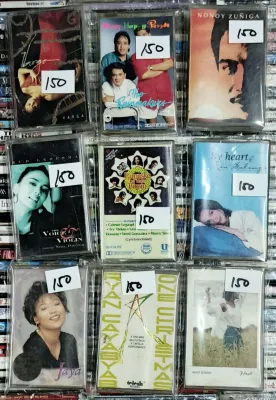
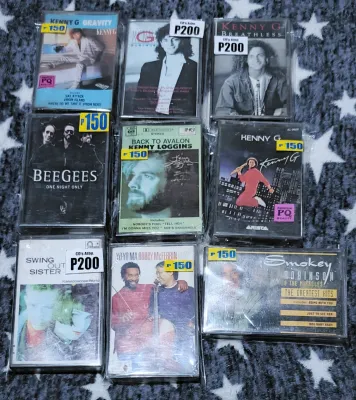
Prices are valid at publication and may change. Please refer to the product page for the latest price.
- Official Numbering and Production Caps: The most reliable limited editions feature an explicit production limit announced by the entertainment agency or record label. In premium releases, each unit may have an individual serial number printed directly on the J-card or stamped onto the cassette shell (for example, "0001/1000").
- Exclusive Packaging Elements: True limited editions feature physical components that are entirely absent from standard versions. This includes custom-colored cassette shells, multi-panel J-cards with exclusive artwork, slipcases, and specialized outer packaging.
- Time-Bound or Event-Exclusive Windows: Many high-value cassettes are only made available during specific, non-repeating windows. These include pre-order-only editions, concert tour merchandise sold exclusively at venues, or pop-up store releases.
- Official Certification Markers: Authentic limited editions carry verifiable security features, such as holographic stickers from national music copyright associations, unique barcode sequences, and official copyright print that matches the publishing label's records.
Limited Editions vs. Standard Reissues: Spotting the Differences
Distinguishing a high-value collector’s item from a standard retail cassette requires a close inspection of the physical product, the tracklist, and the label’s distribution history. Record labels often release standard cassettes to satisfy general demand, while reserving specific variations for dedicated collectors.

Packaging and Visual Variations
Standard reissues typically feature basic, single-panel J-cards with standard plastic cases and plain black or white cassette shells. In contrast, limited editions utilize the physical medium as a canvas for creative design. Look for custom shell finishes, such as translucent neon plastics, glitter-infused shells, or full-bleed UV printing directly on the plastic body instead of paper labels. The J-card—the paper insert that wraps inside the case—often expands into multiple fold-out panels containing exclusive photobooks, lyric sheets, or behind-the-scenes artist notes. Many limited releases also bundle collectible inserts like mini-photocards, stickers, or lenticular cards designed specifically to fit the compact cassette format.
Audio Track Differences
While many cassettes simply mirror the digital album’s tracklist, some limited editions offer exclusive audio content that cannot be found on streaming platforms or standard CD releases. This can include exclusive acoustic B-sides, instrumental tracks, demo versions, or spoken-word voice memos from the artists. Before purchasing a tape advertised as a special edition, verify the tracklist against official discographies to confirm if it contains these unique audio elements.
Production Transparency and Repress Status
Major entertainment agencies usually clarify whether a cassette release is a one-time pressing. If a label announces a cassette as a “limited run” but does not specify a production cap, there is a risk that the tape may be repressed in the future if demand is high. True limited editions maintain their value because the original molds, shell colors, or packaging templates are retired after the initial run. Standard reissues, by contrast, are repressed continuously using cheaper materials to keep production costs low.
How to Verify Authenticity and Collector Value
Because the market for K-Pop and P-Pop memorabilia is highly competitive, counterfeiters often produce unauthorized bootlegs of rare cassette tapes. Verifying the authenticity of a tape before exchanging funds is critical to ensuring your collection holds real value.
Cross-Referencing Official Discographies
Every official release is assigned a unique catalog number by the publishing label. Before buying, search for this catalog number in official artist discographies, label announcements, or trusted physical media databases. If the catalog number on the cassette does not match the official records, or if the release date, tracklist, or shell color differs from the label’s original specifications, the item is likely an unauthorized pressing.
Inspecting Physical Build Quality and Print Resolution
Official record labels maintain strict quality control standards, even for analog formats. Inspect the printing on the J-card and the cassette shell. Authentic releases feature sharp typography, accurate color reproduction, and high-resolution imagery. Bootlegs and counterfeit tapes often suffer from blurry text, pixelated graphics, or color bleeding, which occur when unauthorized sellers scan and reprint original artwork. Additionally, check the physical construction of the cassette shell; official tapes are made of durable, heavy-grade plastic with clean, flush seams, whereas counterfeits often feel light, brittle, and may rattle excessively when shaken.
Verifying Holographic Stickers and Security Features
For K-Pop releases, the presence of an official Korea Music Copyright Association (KOMCA) holographic sticker is a primary indicator of authenticity. These stickers feature complex holographic patterns, unique serial numbers, and specific color-shifting properties when tilted under light. For P-Pop releases, look for official local distributor seals, licensing stickers, or registered trademark symbols printed clearly on the packaging. Be cautious of stickers that look dull, lack holographic depth, or are peeling at the edges, as these may be counterfeit reproductions.
Identifying Region-Specific Variants
Labels often distribute different versions of an album depending on the target country. A cassette distributed in the Philippines may feature local licensing markers, unique distributor stickers, or translated text on the J-card. Understanding these regional variations helps you verify if a tape is an authorized local pressing or an imported edition. Always check that the regional markers on the packaging align with the known distribution history of that specific release.
Sourcing K-Pop and P-Pop Cassettes Safely
Acquiring rare and limited edition cassettes requires navigating a mix of primary retail channels and secondary collector markets. Knowing where to shop and how to evaluate listings will protect you from scams and overpriced counterfeits.
Purchasing from Official and Authorized Retailers
The safest way to secure a genuine limited edition cassette is to buy it directly from the artist’s official webstore, the entertainment agency’s shop, or authorized physical music retailers. When a new album is announced, check the official social media channels of the K-Pop or P-Pop group for direct links to authorized distributors. In the Philippines, established local record stores and official music outlets often secure authorized stock of both local P-Pop releases and imported K-Pop albums.
Evaluating Secondary Market Listings
If a limited edition cassette has sold out at retail, you will need to turn to secondary online marketplaces. When evaluating these listings, prioritize sellers who have a proven track record of selling physical music media. Check their feedback ratings and read reviews from previous buyers. Always request detailed, high-resolution photos of the actual cassette tape in the seller’s possession, including close-ups of the holographic sticker, the catalog number, the cassette shell seams, and any included inserts. Avoid listings that rely solely on stock promotional images.
Recognizing Red Flags
Be highly skeptical of listings with unrealistic pricing. If a rare, highly sought-after limited edition cassette is listed for a fraction of its typical market value—such as ₱300 when collectors regularly pay ₱3,000—it is almost certainly a counterfeit or a scam. Other red flags include missing copyright text on the J-card, vague product descriptions that avoid mentioning the tape’s origin, and sellers who refuse to provide additional photos or proof of purchase.
Navigating Pre-Orders vs. Sealed Aftermarket Inventory
Pre-ordering a cassette directly from an authorized source is the best way to guarantee authenticity at the original retail price. If you are buying sealed aftermarket inventory from a reseller, inspect the style of the shrink-wrap. Official factory sealing is typically neat, tight, and features clean, machine-cut seams. Manual shrink-wrapping performed by resellers often looks loose, uneven, or has rough, heat-sealed edges, which may indicate that the package was opened, the valuable inserts (like photocards) were removed, and the tape was resealed.
Building Your Collection: A Pre-Purchase Evaluation Checklist
Before finalizing any cassette tape purchase, use this structured checklist to evaluate the item’s physical condition, completeness, and long-term preservation potential.
- Verify the Condition Grade: Establish whether the tape is Factory-Sealed (M/SS), Opened-but-Unplayed (NM), or Used (VG+ to G). Sealed tapes offer the highest collector value but prevent physical inspection, while used tapes must be checked for physical wear.
- Confirm the Completeness of Inserts: Ensure that all original photocards, lyric booklets, stickers, and promotional inserts are included in the sale. A missing photocard can reduce the collector value of a K-Pop or P-Pop cassette by more than half.
- Inspect the Cassette Shell: Check the plastic housing for hairline cracks, warping, or loose internal parts. Ensure the clear plastic window is free of deep scratches and that the internal reels turn smoothly.
- Examine the Magnetic Tape: Look through the cassette window to ensure the magnetic tape is wound evenly and tightly. Avoid tapes that show signs of wrinkling, stretching, or discoloration, as these physical defects will permanently degrade audio playback.
- Check the Pressure Pad and Felt: Look at the center of the exposed tape edge to ensure the small felt pressure pad is intact and firmly attached to its metal spring. A missing or degraded pressure pad will prevent proper contact with a tape player's read head, resulting in poor sound quality.
Frequently Asked Questions (FAQ)
Do K-Pop and P-Pop cassette tapes actually contain playable audio?
Yes, official K-Pop and P-Pop cassette tapes are functional analog mediums containing magnetic tape with recorded audio. However, some promotional releases or special merchandise packages may include non-functional, decorative display-only props. Always read the product description carefully and check unboxing reviews to confirm playback capability. To play these tapes, you will need a compatible cassette player, deck, or portable walkman; modern digital-only devices cannot read them without an external analog-to-digital converter.
How should I store cassette tapes to prevent degradation in humid climates?
In tropical climates like the Philippines, high humidity and heat are the primary enemies of magnetic tape. Store your collection in a cool, dry room, ideally keeping the relative humidity below 50% and temperatures below 21°C to prevent mold growth and tape sticking. Avoid storing cassettes in direct sunlight or near windows, as UV exposure can warp the plastic shells and fade the printed J-cards. Always store cassettes vertically in their plastic cases; storing them flat or stacked can cause the tape pack to shift, leading to edge damage and uneven playback tension.
Are digital download codes included with physical cassette releases?
Some modern cassette releases include digital download codes, physical POCA (Platform of Content Access) cards, or QR code inserts to bridge the gap between analog collecting and digital convenience. However, these digital perks often come with strict expiration dates and region-locked restrictions that may prevent activation outside the primary release country. Before purchasing, verify if the digital content is still active and whether it matches the physical tracklist or offers exclusive digital extras.
Community discussion
Share your experience or ask a question. Comments are reviewed before publication.