
The phrase “crush kita” carries a distinct, heart-fluttering weight in local culture, often associated with the unique feeling of “kilig”—that sudden rush of romantic excitement that is hard to translate but universally understood. It represents the innocent, often unspoken longing of youth, capturing the exact moment admiration blossoms into first love. In the landscape of local literature, these stories have evolved from simple, serialized pocketbooks into a diverse, multi-platform publishing phenomenon. Whether you are looking for a nostalgic trip down memory lane or searching for the perfect gift for a young reader, navigating this rich literary world requires understanding how these stories are told, packaged, and distributed.
Today, local romance fiction spans various formats, from traditional newsprint pocketbooks to premium trade paperbacks and digital platforms. Imprints that once dominated physical newsstands have transitioned into modern publishing houses, while online writing communities have birthed a new generation of bestselling authors. This guide provides a structured framework to help you identify your preferred subgenres, verify book editions, and select reliable purchasing channels to ensure a high-quality reading experience. By focusing on the elements that make these stories resonate, you can find a novel that perfectly captures the magic of a first crush.
Exploring "Crush Kita" Themes in Tagalog Romance
To find the perfect novel, it helps to understand the specific subgenres and tropes that define local romance. The classic campus romance remains a cornerstone of first-love fiction. These stories often revolve around the shared experiences of student life in the Philippines, such as navigating the busy hallways of high schools, sharing snacks during recess, or surviving university exams. Common tropes include secret admirers leaving notes in lockers, childhood friends slowly realizing their feelings have changed, and academic rivals whose competitive banter masks a deeper attraction. These narratives evoke a strong sense of nostalgia, capturing the warmth of tropical afternoons, the nervous energy of school festivals, and the simple joy of a shared jeepney ride during a sudden downpour.
Products mentioned in this guide
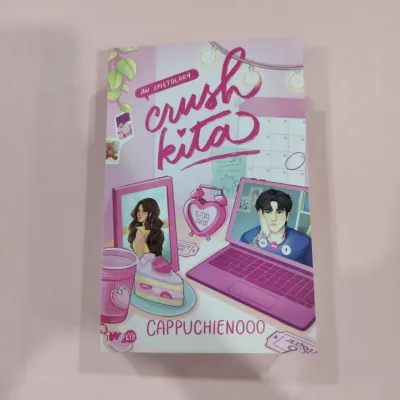
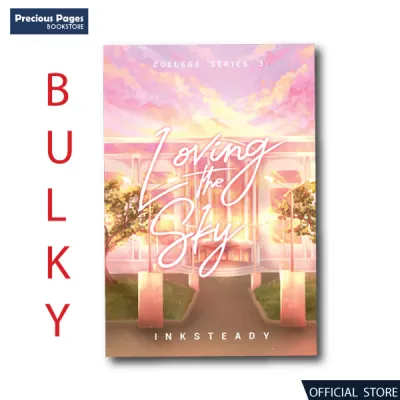
Prices are valid at publication and may change. Please refer to the product page for the latest price.
As readers mature, their tastes often transition toward workplace and adult crush narratives. These novels explore the complexities of developing feelings within professional boundaries, where the stakes are higher than a failed exam or a missed class. Themes of hidden feelings between colleagues, the tension of working closely on a major project in bustling business districts, and second-chance romances are highly popular. These books balance the excitement of a new crush with the realistic challenges of adulting, making them highly relatable to young professionals navigating both their careers and their personal lives.
Beyond the setting, the emotional tone of the novel plays a crucial role in your selection. Some readers prefer sweet, lighthearted romantic comedies that focus on humorous misunderstandings, witty banter, and feel-good resolutions. These books offer a comforting escape, perfect for unwinding after a long day of work or study. On the other hand, dramatic narratives with heavier emotional stakes—often referred to as “angsty” romances—delve deeper into the pain of unrequited love, family expectations, and personal sacrifices. Understanding whether you or your gift recipient prefers a light, breezy read or a deeply emotional tearjerker will help narrow down your choices significantly.
Choosing the Right Book Format and Language Edition
The physical and digital presentation of a novel greatly affects the reading experience and its suitability as a gift. Traditional Tagalog pocketbooks are known for their compact size, lightweight newsprint pages, and highly affordable pricing. These are excellent for casual, on-the-go reading, easily slipping into a small bag. However, newsprint is highly sensitive to the humid tropical climate of the Philippines, tending to yellow and become brittle over time if not stored in a cool, dry place.

Modern publishing has seen a massive rise in premium full-length novels. These trade paperbacks feature thicker, cream-colored paper, durable matte or glossy covers, and sometimes special finishes like embossing or foil stamping. While premium editions carry a higher price tag, they offer superior durability and aesthetic appeal, making them the preferred choice for collectors and gift-givers who want a book that will look beautiful on a shelf for years to come.
Digital and audio formats have also revolutionized how readers consume local romance. E-books in EPUB or PDF formats are widely available through local reading applications and global digital bookstores, offering a convenient alternative for those with limited shelf space. For commuters enduring long hours in traffic, audiobooks have emerged as a popular way to enjoy stories hands-free. When choosing a digital format, always verify device compatibility and ensure the platform supports offline reading, which is particularly useful in areas with intermittent internet connectivity.
Language is another critical factor to verify before making a purchase. Tagalog romance novels are written in various linguistic styles, and choosing the right one depends on the reader’s comfort level. Some books are written in formal, poetic Tagalog, which offers a rich and traditional literary experience. Others utilize conversational Taglish—a natural blend of Tagalog and English—which reflects the everyday speech of modern urbanites and makes the dialogue feel incredibly authentic and fast-paced. Additionally, some local authors write entirely in English but set their stories firmly within local cultural contexts, offering a dual-track option for readers who prefer English prose but still want to experience familiar local settings and cultural nuances.
Where to Find Authentic Tagalog Romance Novels
With the rise of digital marketplaces, ensuring you purchase authentic copies of Tagalog novels is more important than ever. Buying directly from official publisher websites or authorized physical bookstores in the Philippines guarantees that you receive a high-quality print while directly supporting local authors and publishers. Authorized bookstores often have dedicated sections for local literature, allowing you to browse physical copies, feel the paper quality, and read the back blurb before buying. Local book fairs and literary festivals are also excellent venues to find authentic prints and sometimes even get your copy signed by the author.
If you prefer shopping online, reputable e-commerce platforms and established digital reading stores offer a wide selection. However, you must exercise caution to avoid counterfeit prints. Look for official store badges, verified seller ratings, and detailed customer reviews that include photos of the actual book. Authentic online listings will clearly state the publisher’s name and provide accurate product specifications.
Pirated editions are a persistent issue in the online marketplace, but they are relatively easy to spot if you know what to look for. Be highly suspicious of unusually low prices that seem too good to be true. Pirated books often suffer from blurry cover art, poor binding that easily falls apart, low-contrast printing, and thin, low-grade paper. Furthermore, unauthorized copies frequently omit proper copyright pages, publisher logos, and author credits. Purchasing these inferior copies not only ruins the reading experience but also deprives local creators of their rightful earnings and discourages the growth of the local publishing industry.
Pre-Purchase Checklist for Reading or Gifting
Before finalizing your purchase, running through a quick checklist will ensure the book aligns perfectly with your expectations or those of your gift recipient. First, pay close attention to content warnings and age ratings. While many first-love stories are sweet and innocent, some explore mature themes, complex psychological struggles, or sensitive topics. Checking the publisher’s age recommendation or looking up online content guides will help you avoid gifting a book with mature content to a younger reader.
Second, verify the edition and series continuity. Many popular Tagalog romance novels are part of multi-book series or have spin-offs featuring secondary characters. Check the publication year and volume number to ensure you are starting with the first book, as jumping into the middle of a series can lead to confusion. Additionally, some older titles may have been revised and re-released in special anniversary editions, so double-check if you are getting the most complete and updated version of the text.
Finally, evaluate reader feedback systematically rather than relying solely on eye-catching cover illustrations. When browsing online marketplaces, look for reviews that discuss the pacing of the plot, the depth of character development, and the naturalness of the dialogue. Be aware that many online reviews focus primarily on the speed of delivery or the quality of the bubble wrap packaging; try to filter for reviews that actually critique the literary content. Reading a few sample pages online, if available, can also give you a quick sense of the author’s writing style and whether it matches your personal preferences.
Frequently Asked Questions (FAQ)
Are Tagalog pocketbooks still being published today?
Yes, the traditional pocketbook format remains active, though the local publishing landscape has evolved significantly. While some classic mass-market lines have consolidated, major local publishers continue to print affordable, short-format romance novels alongside their premium trade paperback lines. Many publishers have also embraced digital platforms, offering classic pocketbook stories in e-book formats to reach a wider, tech-savvy audience both locally and abroad.
How can I tell if a novel is originally written in Tagalog or translated?
To determine the original language of a novel, always inspect the copyright page, which is usually located at the very beginning of the book. Original local works will list the Filipino author directly and will not contain translation credits. If a book is a translation or an adaptation of a foreign web novel, the copyright page will explicitly credit the translator and mention the original publisher or platform. You can also check the author’s biography on the back cover or the publisher’s official website to confirm their background and previous works.
Community discussion
Share your experience or ask a question. Comments are reviewed before publication.