
Quick Answer: Humbucker vs Single-Coil Pickups
Choosing between a humbucker and a single-coil pickup comes down to your preferred musical genre, desired tone, and tolerance for background noise. Single-coil pickups offer a bright, glassy, and highly articulate sound, making them ideal for players who prioritize clean tones, vintage chime, and expressive note definition. However, they are inherently prone to electrical hum.
Humbucker pickups utilize a dual-coil design that eliminates background noise while delivering a thick, warm, and high-output tone. They are the go-to choice if your playing style relies on heavy distortion, high-gain overdrive, or smooth, jazz-like warmth. Your decision should align with the primary genres you play and whether your guitar can physically accommodate the swap.
How Single-Coil and Humbucker Pickups Actually Work
To understand why these two pickup types sound so different, it helps to look at their physical construction. A standard single-coil pickup consists of a single magnet (or a set of magnetic pole pieces) wrapped in thousands of turns of fine copper wire. When your guitar strings vibrate, they disturb the magnetic field, generating a small electrical current that travels to your amplifier. Because there is only one coil, it acts like an antenna, picking up electromagnetic interference from nearby lights, computer screens, and electrical wiring. This results in the characteristic “60-cycle hum” that is audible when you are not playing.
Products mentioned in this guide
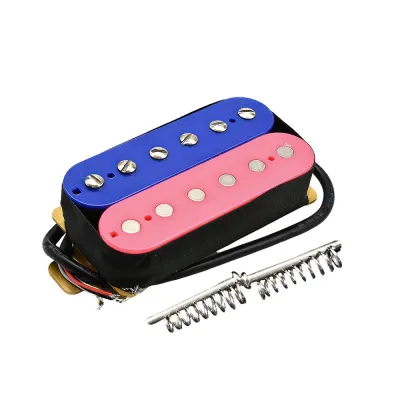
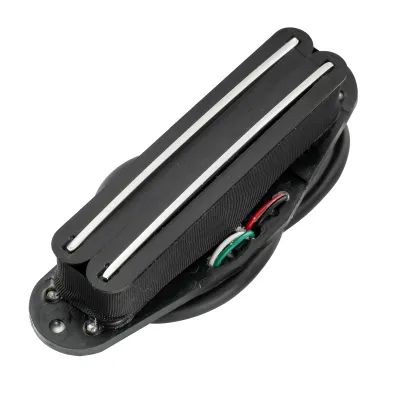
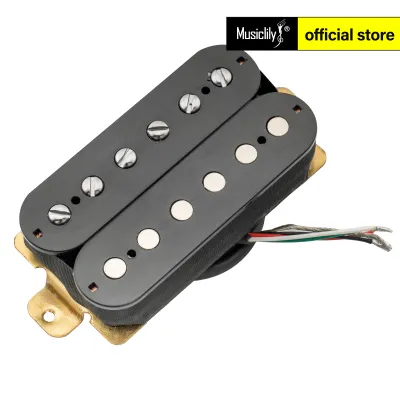
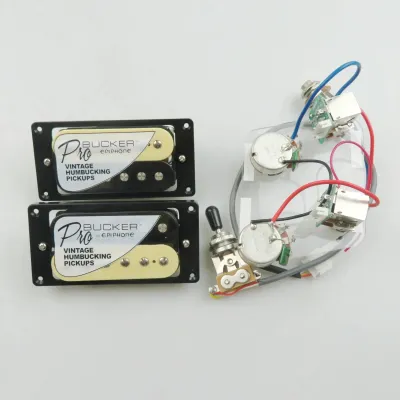
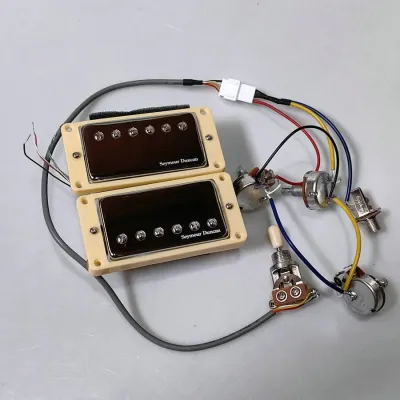
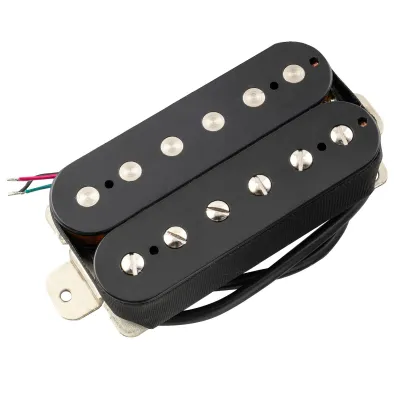
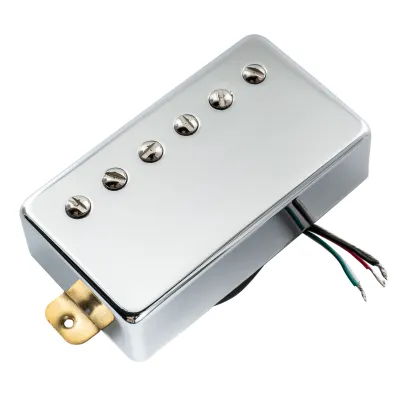
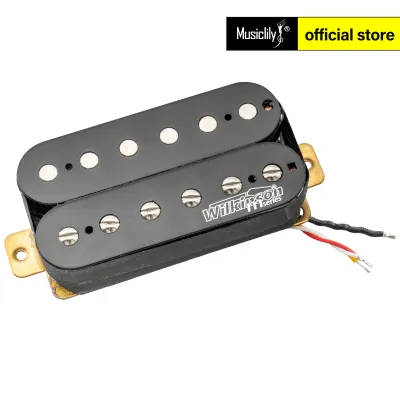
Prices are valid at publication and may change. Please refer to the product page for the latest price.

A humbucker pickup solves this interference issue by using two coils placed side-by-side or stacked. These coils are wound in opposite directions and feature opposing magnetic polarities. When the electrical signals from both coils combine, the background noise cancels out—literally “bucking the hum.”
This dual-coil configuration also fundamentally alters the pickup’s frequency response. Because the two coils sample the vibrating string at two slightly different points, certain high-frequency harmonics cancel each other out. This results in a tone that is naturally warmer, darker, and more compressed than a single-coil, with a significantly higher output level that easily drives amplifiers into natural distortion.
While these physical principles remain constant, modern manufacturing has introduced variations that blur traditional design lines. Today, you can find noiseless single-coils that use stacked coils to eliminate hum while preserving a bright, vintage-style voice. Conversely, some low-output humbuckers are wound specifically to mimic the clarity and treble response of a single-coil. Always check the manufacturer’s detailed specifications and frequency charts to understand the exact characteristics of a specific model.
Matching Pickups to Your Music Genre and Playing Style
Your playing style and musical preferences are the most important factors when choosing a pickup type. Single-coil pickups are legendary in genres that demand clarity, speed, and sharp note separation. In funk, country, surf, indie rock, and classic blues, the bright “chime” of a single-coil allows complex chords and fast rhythm strumming to cut through a busy band mix. If you rely heavily on fingerstyle techniques or light, ambient delay effects, the high-frequency detail of a single-coil ensures that every subtle nuance of your picking hand is captured.
Humbucker pickups dominate heavier, high-gain genres such as hard rock, heavy metal, progressive fusion, and modern jazz. The high output of a humbucker pushes your amplifier or overdrive pedals into thick, saturated distortion with excellent sustain. In high-gain environments, the hum-canceling feature is essential; without it, the background buzz between notes can become incredibly distracting. For jazz guitarists, the rolled-off treble response of a humbucker provides a round, woody warmth that makes single-note lead lines sound incredibly smooth and full.
Your physical playing dynamics also interact differently with each design. Single-coils offer a wide dynamic range, meaning they respond dramatically to how hard or soft you strike the strings. Humbuckers naturally compress your signal slightly, smoothing out volume peaks and providing a more consistent, sustained response that is highly forgiving during fast soloing.
Because your amplifier, effects pedals, and even your guitar’s wood construction influence your final sound, it is highly recommended to test different pickup configurations in person. Listening to high-quality audio demonstrations of your favorite guitarists can also help you identify which pickup type matches the specific tonal qualities you want to achieve.
Guitar Compatibility and Upgrade Considerations
Before purchasing a new set of pickups, you must evaluate whether your current guitar can physically and electronically accommodate them. Standard single-coils and full-sized humbuckers have completely different physical dimensions. A guitar body routed strictly for single-coils cannot fit a humbucker without physical modification to the wood cavity and the pickguard.
The electronic components inside your guitar’s control cavity must also match the pickup type. Guitars equipped with single-coils typically use 250k-ohm potentiometers (pots) to roll off harsh high frequencies and keep the tone smooth. Humbuckers generally require 500k-ohm pots to prevent their naturally darker signal from sounding muddy. If you swap pickup types without upgrading these pots, your new pickups may not perform to their full potential.
Fortunately, there are several non-invasive modification options available:
- Single-Coil-Sized Humbuckers: Many manufacturers produce compact humbuckers (often called "rail" or "stacked" pickups) that fit directly into a standard single-coil slot without any woodwork.
- Universal Routing: Many modern guitars feature a "swimming pool" or universal route beneath the pickguard, allowing you to easily switch between different pickup configurations by simply replacing the pickguard.
- Coil-Splitting Switches: If your guitar already has humbuckers, you can install a push-pull pot to split the coils, giving you access to single-coil-like tones without changing the pickups.
If your guitar requires physical routing of the wood cavity, avoid attempting DIY structural modifications unless you have the proper routing templates, tools, and woodworking experience. In tropical climates like the Philippines, high humidity can cause exposed, unsealed wood inside a modified cavity to absorb moisture, potentially leading to warping, finish cracking, or electronic corrosion over time. Sweat from regular playing can also accelerate rust on exposed pickup pole pieces. For complex structural modifications or electronic upgrades, it is highly recommended to consult a qualified local luthier. A professional setup and pickup installation by a local specialist typically costs between ₱1,000 and ₱3,000, excluding the cost of the parts.
Decision Framework: Which Pickup Should You Choose?
To help you finalize your decision, use this practical framework to determine which pickup type or configuration best fits your musical goals:
Choose single-coil pickups if:
- You prioritize maximum note clarity, glassy treble response, and dynamic touch sensitivity.
- You primarily play clean, ambient, or light overdrive styles like funk, indie, country, or surf rock.
- You do not mind a small amount of background hum in exchange for vintage tonal character.
Choose humbucker pickups if:
- You play high-gain rock, metal, or heavy blues and need a quiet, buzz-free signal.
- You prefer a thick, warm, and highly sustained tone for solos and heavy rhythm playing.
- You want a smoother, rounder sound that naturally tames harsh high frequencies.
Consider a hybrid setup if:
- You need ultimate versatility. Guitars with an HSS (Humbucker-Single-Single) or HSH (Humbucker-Single-Humbucker) configuration allow you to access both worlds with the flick of a selector switch, making them excellent for session players and cover band musicians.
Verify before buying:
- Always check your guitar's internal routing and current potentiometer values.
- Review the manufacturer's wiring diagrams and output ratings to ensure compatibility with your existing electronics.
Frequently Asked Questions (FAQ)
Can I make a single-coil sound like a humbucker?
While you can use EQ pedals, booster pedals, or heavy overdrive to add thickness and gain to a single-coil, you cannot completely replicate a humbucker’s sound. A true single-coil will still lack the natural compression of a dual-coil design and will continue to produce 60-cycle hum under high gain. If you want a thicker sound without modifying your guitar, consider installing a single-coil-sized humbucker, which offers a practical middle ground.
Do humbuckers always sound darker than single-coils?
Traditionally, humbuckers tend to sound warmer and darker because their dual-coil design naturally filters out some high frequencies. However, modern manufacturing techniques allow for highly articulate, bright humbuckers. By using specific magnet types (like Alnico V or Ceramic), thinner wire gauges, and lower winding counts, manufacturers can create humbuckers with surprising clarity and treble response. Always check the manufacturer’s frequency charts to understand a pickup’s specific EQ profile.
What is coil-splitting and does it replace a true single-coil?
Coil-splitting is a wiring modification that disables one of the two coils in a humbucker, effectively turning it into a single-coil. This is usually activated via a push-pull volume or tone pot. While coil-splitting is an excellent tool for live versatility, it does not perfectly replicate a dedicated single-coil. The magnetic field, coil geometry, and materials of a split humbucker differ from a traditional single-coil, often resulting in a thinner or slightly colder tone.
Community discussion
Share your experience or ask a question. Comments are reviewed before publication.