
Mastering the art of debate and persuasion requires more than just a loud voice or quick reflexes; it demands a structured understanding of how arguments are built, defended, and received. In the Philippines, where daily communication spans diverse professional, academic, and social landscapes, finding the right literature is the first step toward intellectual clarity. Whether you are looking to refine your workplace negotiation tactics, excel in academic debates, or simply understand how to win every argument in everyday discussions, the books you choose will shape your cognitive toolkit. Rather than picking titles based solely on social media trends, a systematic approach to selecting books on logic, rhetoric, and psychology will yield far better long-term results.
The local book market offers a wide array of self-help and educational texts, but not all of them are created equal. Some focus heavily on the theoretical mechanics of formal logic, while others dive into the psychological nuances of human behavior. To make an informed purchase, you must first understand your personal communication goals, learn how to evaluate the quality of a text, and know where to source authentic editions safely. This guide provides a comprehensive framework to help you navigate these choices and build a highly effective personal library.
Identify Your Focus: Logic, Psychology, or Rhetoric
Before purchasing any book on communication, it is essential to identify which aspect of argumentation you need to develop. Argumentation is not a single skill; rather, it is a discipline built upon three distinct pillars: formal logic, cognitive psychology, and practical rhetoric. Each pillar serves a different purpose, and choosing the wrong focus can lead to frustration or ineffective communication.
Products mentioned in this guide

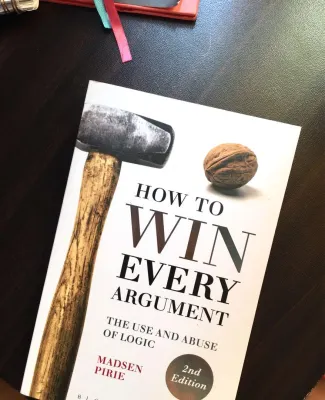

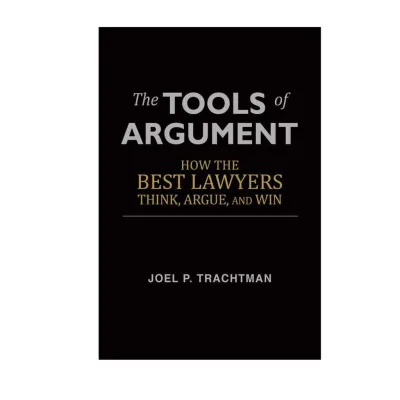


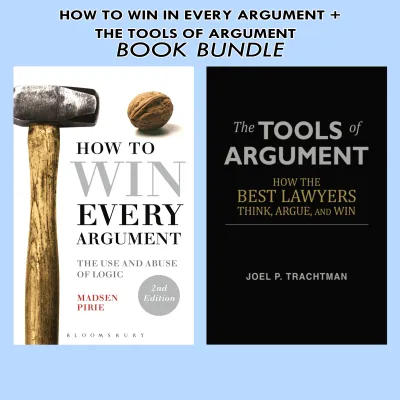
Prices are valid at publication and may change. Please refer to the product page for the latest price.
Formal logic is the study of argument structure and reasoning. Books in this category teach you how to construct valid premises, draw sound conclusions, and identify logical fallacies. If you find yourself struggling to spot flaws in an opponent’s reasoning, or if your own arguments are often dismissed as disorganized, focusing on formal logic is highly beneficial. These texts teach you how to strip away emotional language and analyze the core claims of any statement. This is the foundational skillset required for academic debate, legal reasoning, and rigorous analytical writing.
Cognitive psychology, on the other hand, shifts the focus from abstract rules of logic to the messy reality of human behavior. Even the most logically flawless argument can fail if it ignores how the human brain actually processes information. Books in this sub-genre explore cognitive biases, emotional triggers, and the subconscious factors that influence decision-making. They explain why people hold onto irrational beliefs and how you can frame your message to bypass defensive cognitive barriers. This focus is invaluable for workplace leadership, marketing, and personal relationships where emotional intelligence is just as important as logical consistency.
Practical rhetoric bridges the gap between logic and psychology by focusing on the art of delivery and persuasion. Rhetoric books cover public speaking, negotiation tactics, verbal styling, and the strategic use of language. They teach you how to adapt your tone, pacing, and vocabulary to suit different audiences. If your goal is to deliver compelling presentations, lead high-stakes business negotiations, or navigate difficult conversations with confidence, practical rhetoric should be your primary focus.
When selecting books in these categories, it is crucial to seek out titles that emphasize ethical frameworks. Avoid literature that promises manipulative, bad-faith tactics or deceptive tricks designed to exploit others. True persuasion is about finding common ground, uncovering truth, and building consensus. Ethical argumentation ensures that your communication remains constructive, professional, and respectful, which is vital for maintaining long-term personal and professional relationships in any community.
Evaluate Book Quality and Relevance Before Buying
With thousands of self-help and communication titles available, separating high-quality educational resources from superficial pop-psychology can be challenging. To ensure you are investing your time and money in books that offer genuine, actionable value, you should apply a strict evaluation process before making a purchase.

First, examine the author’s credentials. The most reliable books on argumentation and persuasion are written by individuals with deep expertise in their respective fields. Look for authors who are academic researchers in philosophy, cognitive science, or linguistics, as well as seasoned practitioners such as professional negotiators, legal experts, or communication coaches. Be cautious of authors who lack formal training or practical experience in these fields, as their writing may rely on anecdotal evidence or oversimplified concepts that do not hold up under scrutiny.
Second, assess the structural design of the book. A high-quality instructional text should be designed to facilitate active learning rather than passive reading. Look for books that include clear chapter summaries, real-world case studies, and practical exercises. Case studies allow you to see how theoretical concepts are applied in actual scenarios, while exercises help you test your understanding and practice new techniques. If a book consists entirely of abstract theory without any practical application guides, it may be difficult to translate that knowledge into real-world skills.
Third, verify the publication date and the relevance of the content. While classical texts on formal logic and Aristotelian rhetoric are timelessly relevant, books that deal with cognitive psychology and behavioral science must be evaluated with recency in mind. Psychological research is constantly evolving, and older titles may rely on outdated theories or studies that have failed replication tests. Checking the publication date ensures that the scientific claims made in the book align with current academic consensus.
Finally, consider the format and edition of the book to match your study preferences. Physical books are often preferred for dense, study-heavy subjects like formal logic, as they allow you to easily write notes in the margins, highlight key passages, and flip back and forth between chapters. E-books offer convenience, portability, and search functionality, making them excellent for quick reference. Audiobooks can be highly effective for learning practical rhetoric and delivery, as they allow you to hear the author’s tone, pacing, and emphasis, though they are less suited for analyzing complex logical structures.
Navigate Bookstores and Online Platforms in the Philippines
Sourcing authentic, high-quality books in the Philippines requires a strategic approach, especially when navigating the balance between physical retail and online marketplaces. Both channels offer distinct advantages and challenges that can impact your buying experience and the quality of the books you receive.
Major physical bookstore chains in the Philippines provide a reliable and tactile shopping experience. Visiting a physical store allows you to personally inspect the book’s print quality, paper weight, and binding durability before spending your money. It also allows you to browse the shelves and discover unexpected titles that you might not have searched for online. However, physical stores often have limited shelf space, meaning their inventory may be restricted to mainstream bestsellers, leaving fewer options for specialized or academic texts on logic and argumentation.
For a wider selection, online marketplaces and e-commerce platforms are highly useful, but they require a high degree of caution. The local online market has seen a rise in counterfeit and pirated books, which are often sold at unusually low prices. These unauthorized copies are typically characterized by blurred or faded text, thin paper that allows ink to bleed through, poor binding that falls apart after a single reading, and even missing pages or chapters. To protect yourself from these low-quality counterfeits, always verify the seller’s authenticity. Look for official brand stores, authorized local distributors, or reputable university presses on these platforms.
When purchasing online, take the time to read buyer reviews carefully, paying close attention to photos uploaded by other customers to verify the physical condition of the book. Check the seller’s return policies and shipping terms to ensure you can easily request a refund or replacement if the book arrives damaged. Additionally, keep an eye out for licensed local reprints. Some international publishers partner with local distributors to produce authorized, budget-friendly editions specifically for the Philippine market. These local reprints offer the exact same content as the imported editions but are priced much more affordably in ₱, making them an excellent option for budget-conscious readers who do not want to compromise on quality.
Create a Structured Reading and Practice Plan
Acquiring a collection of excellent books is only the first step; to truly master argumentation and persuasion, you must transition from passive reading to active, structured practice. Without a deliberate plan to apply what you learn, the concepts you read about will quickly be forgotten.
A successful learning journey begins with logical sequencing. You should start by building a strong foundation in critical thinking and formal logic. Understanding how to construct a valid argument and identify common logical fallacies provides the structural framework you need. Once you can reliably analyze the logical validity of a statement, progress to books on cognitive psychology to understand the emotional and cognitive factors that influence belief. Finally, study practical rhetoric to refine your delivery, tone, and strategic framing. This step-by-step progression ensures that you do not attempt to apply advanced persuasion techniques without a solid foundation of logical reasoning.
Next, establish low-stakes environments where you can practice your new skills without major consequences. You do not need to wait for a high-pressure workplace negotiation or an academic debate to practice. Start by analyzing written content, such as editorial articles, public speeches, or even online discussions. Try to identify the logical fallacies used, map out the premises and conclusions, and think about how the arguments could be improved. You can also practice writing your own persuasive essays or participating in structured discussion groups where the focus is on constructive debate rather than emotional arguments.
Finally, track your progress and remain adaptable. Keep a communication journal where you reflect on your daily interactions. Note instances where you successfully navigated a disagreement, as well as situations where your arguments failed to persuade. Analyze these moments objectively: Did you fail to recognize a cognitive bias? Did your delivery lack clarity? Use these insights to identify your specific communication weaknesses and adjust your future reading selections accordingly. By continuously cycling between reading, practicing, and reflecting, you will steadily build the confidence and skill needed to communicate persuasively in any situation.
Frequently Asked Questions (FAQ)
Are older books on argumentation and logic still relevant today?
Yes, older books on argumentation and logic remain highly relevant, particularly those focusing on formal logic and classical rhetoric. The fundamental rules of human reasoning, such as those established in Aristotelian logic, have not changed over the centuries. Identifying fallacies like strawman arguments or circular reasoning is just as critical today as it was in ancient times. However, if you are reading books that rely heavily on cognitive psychology, behavioral economics, or social science, it is important to seek out newer editions. These fields rely on empirical research that is constantly updated, meaning older texts may contain outdated theories or studies that have since been disproven.
How can I tell if a book is a pirated copy when buying online?
Detecting a pirated book online requires looking closely at several physical and transactional indicators. Counterfeit books are often sold at prices that are significantly lower than the standard retail price in ₱, which is a major red flag. When inspecting the book physically upon arrival, look for blurred or uneven text, thin paper that feels rough or allows text from the reverse side to show through, and a weak spine that cracks easily. Pirated copies may also feature low-resolution cover art, misaligned margins, or missing pages. To avoid these issues, always check the seller’s ratings, read customer reviews that include photos of the actual product, and purchase exclusively from official publisher stores or authorized local distributors on e-commerce platforms.

Community discussion
Share your experience or ask a question. Comments are reviewed before publication.