
Finding a genuine musical instrument requires careful attention to where you shop, especially when looking for brands like Fermata. To verify you are buying from the official Fermata store in the Philippines, you should look for verified brand tags on major e-commerce platforms, cross-reference seller profiles with official brand directories, and inspect the physical build quality upon delivery. Purchasing from authorized sources is the only way to guarantee you receive an authentic guitar or ukulele that can withstand local environmental factors.
Why Authenticity Matters for Fermata Instruments
Investing in a genuine instrument is about more than just owning a brand name; it directly affects playability, structural longevity, and personal safety. Counterfeit guitars and ukuleles are often constructed from poorly cured wood and assembled with cheap adhesives. In the tropical climate of the Philippines, where high humidity and temperature fluctuations are common, these substandard materials quickly fail. Poorly constructed instruments are highly susceptible to warped necks, lifting bridges, and cracking bodies, which can render the instrument completely unplayable within a few months.
Furthermore, unauthorized instruments do not come with a manufacturer warranty or access to reliable after-sales support. If a counterfeit instrument develops a structural defect, you will have to bear the full cost of repairs or replacement yourself. There are also safety considerations to keep in mind. Counterfeit manufacturers often use cheap, industrial-grade chemical finishes, varnishes, and adhesives that may emit strong, unpleasant odors or cause skin irritation during long practice sessions. Genuine instruments undergo quality control checks to ensure that all materials and finishes are safe for daily handling.
Products mentioned in this guide
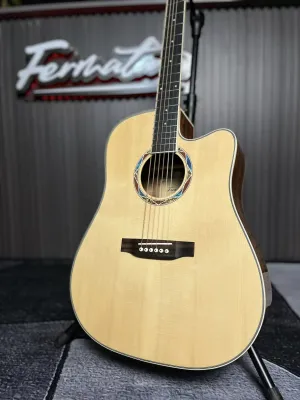
Prices are valid at publication and may change. Please refer to the product page for the latest price.
How to Identify the Official Fermata Store Online
Navigating online marketplaces requires a systematic approach to separate legitimate storefronts from unauthorized copycats. The first step is to visit the brand’s official website or verified social media channels to look for a list of authorized dealers and direct links to their official e-commerce stores. Official brands typically maintain updated directories of where their products are legally sold in different regions.

When shopping on major e-commerce platforms, look closely at the store’s profile indicators. Official stores usually carry specific badges, such as “Mall” tags, “Preferred” status, or verified brand icons, which are awarded by the platform only after the seller submits official business registration and trademark authorization documents. Be sure to examine the store name and URL carefully. Counterfeit sellers often use slightly altered names, random strings of numbers, or typos to mimic official stores.
Additionally, check the seller’s contact information and business registration details if they are made public on the platform. Legitimate distributors will provide clear customer service channels, a physical address, and professional communication. If a seller’s profile shows a history of changing store names frequently or lists unrelated product categories alongside musical instruments, it is highly likely to be an unauthorized reseller.
Physical and Packaging Checks for Genuine Fermata Guitars and Ukuleles
Once your instrument arrives, conducting a thorough physical inspection is crucial before finalizing the transaction or confirming receipt on your shopping app. Start by evaluating the overall build quality and craftsmanship. Genuine instruments feature smooth fret ends that do not scratch your fingers as you slide your hand along the neck. The tuning hardware should feel solid and turn smoothly without slipping, and the finish should be even, without runs, bubbles, or rough patches.
Next, inspect the branding and logos on the headstock and inside the soundhole. Authentic instruments display clean, crisp typography with consistent spacing and alignment. Counterfeit items often feature poorly printed decals, misaligned logos, or slight variations in font style and color. Look inside the soundhole for the manufacturer’s label, which should contain clear model information and matching design elements.
The packaging and included accessories also provide valuable clues. Genuine instruments are typically shipped in sturdy, custom-fit cardboard boxes designed to protect the wood during transit. Inside, you should find official documentation, such as a warranty card, a user manual, and any standard accessories specified by the manufacturer. Low-quality packaging, missing documentation, or generic accessories wrapped in cheap plastic are common indicators of a counterfeit product.
Red Flags of Counterfeit or Unauthorized Sellers
Recognizing the warning signs of unauthorized sellers can save you from a frustrating purchasing experience. One of the most obvious red flags is a price that is significantly below the standard market value. While official stores may offer occasional promotional discounts, an instrument priced at a fraction of its retail cost—such as a solid-wood ukulele offered for only a few hundred ₱—is almost certainly a fake or a severely damaged unit.
Another warning sign is the quality of the product listings. Unauthorized sellers frequently use low-resolution images, heavily watermarked photos stolen from other creators, or official marketing assets mixed with amateur snapshots of completely different items. If the product description is vague, poorly translated, or lacks specific technical details about the wood types, hardware, and dimensions, you should proceed with caution.
Finally, pay close attention to the seller’s return and refund policies. Legitimate stores align with platform-mandated return windows and offer clear instructions for handling defective items. If a seller claims that all sales are final, refuses to accept returns for structural defects, or lacks verifiable contact details, it is best to look elsewhere. Unresponsive or evasive customer service chat behavior is another strong indicator that the seller is not an authorized representative.
What to Do If You Suspect a Fake Purchase
If you suspect that you have received a counterfeit instrument, taking immediate and documented action is essential. Start by recording a continuous, unedited video of the unboxing process, showing the shipping label, the packaging condition, and the physical state of the instrument. Take clear, high-resolution photographs of any specific areas of concern, such as misaligned logos, rough fretwork, or structural defects. Keep a complete record of all communications with the seller.
Next, initiate a dispute or refund request directly through the e-commerce platform’s buyer protection system. Do not confirm receipt of the item or close the dispute until the platform has reviewed your evidence. Submit your unboxing video, photos, and chat logs as proof that the item delivered does not match the description of a genuine product.
You can also contact the brand’s official customer support channels directly. Provide them with your purchase details, the seller’s store link, and photos of the instrument. While they may not be able to resolve platform-specific payment disputes, they can often confirm whether the seller is authorized and provide official statements that you can use to support your refund claim with the e-commerce platform or your payment provider.
Frequently Asked Questions (FAQ)
Can I verify a Fermata instrument using its serial number?
Serial number verification depends entirely on the manufacturer’s current tracking systems and regional database availability. Some production runs may feature unique serial numbers that can be cross-referenced through official support channels, while others may not have an online lookup tool. To verify a specific serial number, you should contact the brand’s official customer service team directly with photos of the serial label.
Are second-hand Fermata guitars covered by the official warranty?
Official manufacturer warranties are generally non-transferable and apply only to the original purchaser who bought the instrument from an authorized dealer. If you are purchasing a pre-owned guitar or ukulele, the original warranty will likely not cover any future defects. Before buying a used instrument, it is recommended to inspect its physical condition thoroughly and review the warranty terms on the official website.
Community discussion
Share your experience or ask a question. Comments are reviewed before publication.