
Identifying an official K-Pop cassette tape from a counterfeit requires a keen eye for detail, a systematic inspection of the physical packaging, and a careful verification of official security markings. As physical music formats experience a massive global resurgence, cassette tapes have transitioned from nostalgic relics into highly prized collector’s items. This surge in demand has unfortunately opened the door for counterfeiters to flood online marketplaces with convincing fakes.
To protect your collection and ensure your hard-earned money goes toward supporting your favorite artists, you must learn how to analyze the print quality, examine the cassette shell construction, verify holographic authentication stickers, and choose secure purchasing channels.
Why Counterfeit K-Pop Cassette Tapes Are a Risk
The revival of physical media has transformed how fans interact with music. While albums are readily available on streaming services, owning a tangible piece of an artist’s discography offers a unique sense of connection. Cassette tapes, with their retro aesthetic and compact design, have become particularly popular limited-edition releases.
Products mentioned in this guide
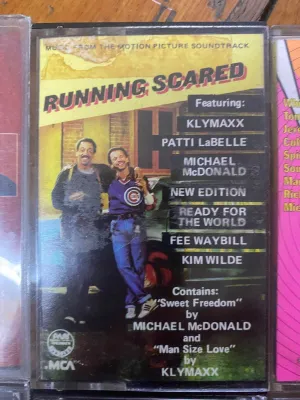
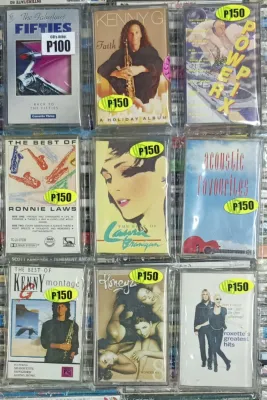
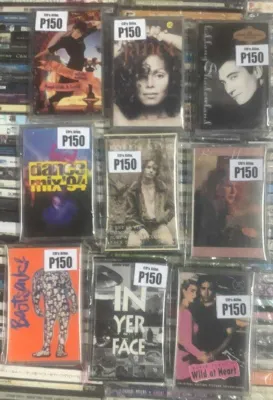
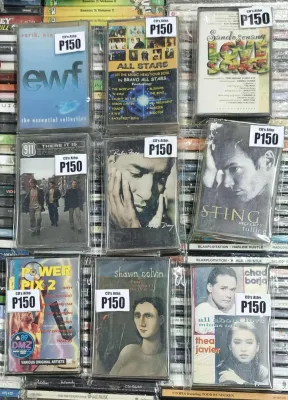

Prices are valid at publication and may change. Please refer to the product page for the latest price.
However, this high demand and limited supply make them prime targets for counterfeiters. Buying a counterfeit cassette tape carries several distinct disappointments. First, the audio quality on fake tapes is notoriously poor, often suffering from muffled sound, excessive tape hiss, or speed fluctuations due to cheap magnetic tape and poorly constructed internal gears.
Second, official releases frequently include exclusive merchandise such as lyric booklets, photo cards, or unique stickers that fakes either omit entirely or reproduce with terrible quality. Finally, counterfeit items hold absolutely no resale or trade value within the collector community. Because online listings often rely on official promotional images rather than photos of the actual product, learning how to verify these items before and immediately after purchase is essential.
Key Visual and Physical Checks for Authentic Tapes
When verifying a K-Pop cassette tape, your first line of defense is a thorough visual and physical inspection. This process involves comparing the item in hand—or detailed photos provided by a seller—against verified, high-resolution promotional images or unboxing videos from official sources.

It is important to remember that manufacturing variations can occasionally occur even in official factories. Therefore, a single minor imperfection does not automatically mean a tape is fake. However, when you notice a combination of multiple discrepancies across the packaging, print quality, and shell construction, it is a strong indication that the item is a counterfeit.
Packaging and Print Quality
The J-card—the paper inlay that wraps around the cassette case to form the cover and spine—is one of the most difficult components for counterfeiters to replicate perfectly. Official entertainment agencies use professional printing presses that deliver sharp, high-resolution graphics and precise color matching.
When inspecting the J-card, look closely at the cover art and typography. Counterfeits are often made using scanned images of official covers, which introduces noticeable pixelation, blurry text, or unnatural color saturation. The blacks may look washed out, or the colors may appear overly dark and muddy.
Next, feel the paper stock. Official J-cards are printed on sturdy, semi-glossy or matte cardstock that holds its shape. In contrast, fakes often use thin, flimsy paper that easily warps or wrinkles, especially when exposed to the high humidity typical of tropical climates like the Philippines. Finally, examine the edges and folds. Official J-cards feature clean, machine-cut edges and sharp, precise folds that align perfectly with the plastic case. If the folds are crooked or the edges look unevenly hand-cut, proceed with extreme caution. Don’t forget to check the back cover and spine for spelling mistakes, misaligned logos, or missing copyright and distributor text, which are common blunders on bootleg copies.
Cassette Shell and Tape Material
Once you have examined the outer packaging, turn your attention to the cassette shell itself. Official music cassette shells are manufactured to strict quality standards to ensure smooth playback and durability.
Examine the plastic shell for physical defects. Official shells are made of high-quality, durable plastic with smooth, clean edges. Counterfeit shells often feel lightweight, brittle, and may exhibit rough, prominent mold seams where the two halves of the plastic shell were joined together.
Next, inspect the labels on the cassette. Many official K-Pop cassettes feature text and graphics printed directly onto the plastic shell using high-precision ink. If the release does use paper labels, they should be perfectly centered, flat, and secured with high-quality adhesive. Counterfeits frequently use cheap paper stickers that are misaligned, bubble up, or have peeling corners.
Finally, look through the transparent window of the cassette. The magnetic tape should be wound neatly around the hubs, and the plastic teeth of the hubs should look uniform and sturdy. If the tape is loosely wound, uneven, or the internal slip sheets look crumpled, the tape is likely a low-quality fake.
Verifying Official Security Features and Codes
Official K-Pop merchandise almost always features specialized security elements designed to prove authenticity. The most common of these is the official holographic sticker, such as the KOMCA (Korea Music Copyright Association) sticker found on Korean releases.
These holographic stickers are highly sophisticated and difficult to counterfeit. When you tilt the tape under a light source, the sticker should display a clear, shifting pattern, often revealing the association’s logo or specific security text. Counterfeiters sometimes attempt to mimic these stickers by using simple, generic silver foil stickers that do not show any detailed holographic shift or official logos when tilted.
Additionally, many modern entertainment agencies incorporate QR codes or hidden digital tags on their packaging. Scanning these codes with a smartphone or a dedicated agency authentication app can instantly verify the product’s serial number against the official database. Always cross-reference the catalog ID and batch numbers printed on the spine of the J-card and the cassette label. You can search these codes online or check the agency’s official merchandise announcements to confirm they match the specific release.
Keep in mind, however, that older releases, promotional copies distributed to broadcast stations, or specific regional pressings might not feature these modern security stickers. In these cases, you must rely more heavily on physical inspection and the credibility of your purchasing channel.
Choosing Reliable Purchasing Channels
Minimizing your risk of buying a counterfeit K-Pop cassette tape starts with choosing where you shop. The safest route is always to purchase directly from official agency webstores, authorized physical music retailers, or verified brand flagship stores on major e-commerce platforms.
If you are purchasing from third-party sellers, independent collectors, or through online marketplaces, you must perform a thorough background check. Look for sellers with a long history of positive feedback specifically for physical music media. Ask the seller to provide a proof of purchase, such as an original store receipt or an order confirmation email from an authorized retailer.
Be highly suspicious of listings that rely solely on official stock photos. A legitimate seller should be willing to provide detailed, real-time photos of the actual cassette tape they have in their possession. A great way to verify this is to ask the seller to take a photo of the tape next to a piece of paper with their username and the current date written on it. Additionally, avoid listings with unusually low prices. If a rare, out-of-print K-Pop cassette tape is being offered for a fraction of its typical market value in ₱, it is almost certainly a counterfeit.
What to Do If You Suspect a Counterfeit
If you receive a cassette tape and suspect it is a counterfeit, taking immediate and organized action is crucial to securing a refund and protecting the collecting community.
First, document all the discrepancies thoroughly. Take clear, high-resolution photos and videos of the item under good lighting. Focus on the specific problem areas, such as blurry printing on the J-card, rough plastic seams on the shell, peeling labels, or a suspicious security sticker. If possible, place the suspected fake next to a known official release or a high-quality reference image to clearly highlight the differences.
Next, initiate a return or refund request through the e-commerce platform’s buyer protection program immediately. Do not delay, as most platforms have strict time limits for filing disputes after an item is marked as delivered. Provide your documented photos and videos as clear evidence of the counterfeit nature of the product. Finally, report the seller and the specific listing to the platform’s customer support. This helps flag dishonest sellers and prevents other passionate fans from falling victim to the same counterfeit listings.
Frequently Asked Questions (FAQ)
Are official K-Pop cassette tapes actually playable?
Yes, official K-Pop cassette tapes are technically playable, but their primary purpose in the modern era is often as a collectible. While many releases contain the full album audio, some limited-edition or promotional cassettes may only feature a single track, a short demo, or even serve purely as a visual novelty accompanied by a digital download code. Always read the official product description and specifications carefully before purchasing if you intend to play the tape on a cassette player.
Can I rely solely on the price to spot a fake?
No, you cannot rely solely on the price to determine authenticity. While an incredibly low price in ₱ is a major warning sign, counterfeiters are well aware that low prices attract suspicion. To make their listings appear legitimate, many sellers will price counterfeit tapes at or slightly below the standard market value. Therefore, a high price tag is never a guarantee of authenticity; you must always combine price checks with physical inspections and seller verifications.

Community discussion
Share your experience or ask a question. Comments are reviewed before publication.