
Verifying the authenticity of your TWICE merchandise is essential for protecting your hard-earned money and ensuring you are genuinely supporting the nine-member K-pop group. With the immense global popularity of twice, counterfeiters have flooded the market with highly convincing fake lightsticks, albums, and photocards. To navigate this, fans must learn how to spot these imitations by examining physical details, printing standards, and digital connectivity features. This guide provides actionable steps to help you distinguish official releases from cheap duplicates.
The Risks of Counterfeit K-Pop Merchandise
Purchasing counterfeit K-pop merchandise carries significant practical and financial risks that can quickly ruin your collecting experience. Counterfeit items often feature poor build quality, fragile plastics, and malfunctioning electronics. For instance, a fake lightstick might have loose battery terminals, fail to light up, or suffer from rapid battery drain during a performance. These physical defects not only lead to immediate disappointment but also pose safety hazards, such as overheating battery compartments.
Furthermore, buying fake merchandise does not support the artists. Official sales contribute to TWICE’s album charts, such as the Hanteo and Circle Chart, which directly impact the group’s music show wins and overall industry standing. When you purchase a counterfeit, your money goes entirely to unauthorized manufacturers rather than the creators.
Products mentioned in this guide
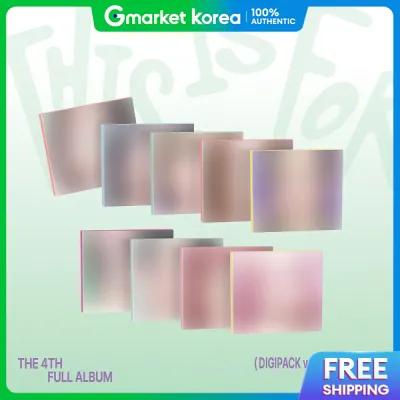
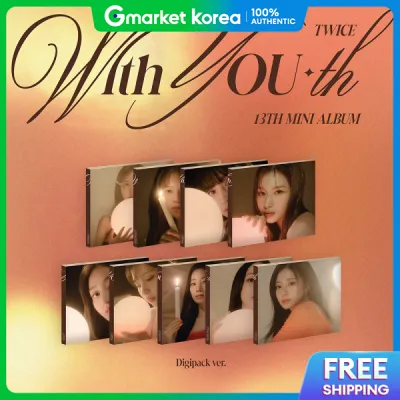





Prices are valid at publication and may change. Please refer to the product page for the latest price.
Finally, there is a substantial financial risk involved. Counterfeit items are often sold at premium prices close to official retail rates, yet they hold zero resale value within the collector community. They also lack any manufacturer warranty or customer support. If a fake item breaks, you have no recourse for a replacement or repair, resulting in a complete waste of your money.
How to Spot Fake TWICE Lightsticks
The TWICE lightstick, known as the Candybong, is a sophisticated piece of consumer electronics designed to sync with live concert production. Because of its high price point and demand, it is one of the most frequently counterfeited items in the K-pop market. Spotting a fake requires a close inspection of both the external packaging and the internal hardware.

Inspecting the Packaging and Accessories
Official packaging for the Candybong features crisp, high-resolution printing with accurate color gradients and perfect alignment. Counterfeit boxes often exhibit blurry text, washed-out colors, or misaligned graphics. Look closely at the cardboard quality; official boxes are sturdy and rigid, while fake boxes are often made of thin, easily crushed cardboard that damages easily during transit.
Always verify the presence of official logos on the box, including the JYP Entertainment logo and the manufacturer logo, such as Copan Global. These logos should be printed clearly with sharp edges.
Examine the included accessories, such as the hand strap and user manual. The official manual is printed on high-quality, thick paper with clear, legible fonts and precise diagrams. Fakes often contain thin, easily wrinkled manuals with poor English translations, blurry illustrations, or missing pages. The hand strap should feature clean, tight stitching and a securely attached clasp, whereas counterfeit straps are typically flimsy and prone to fraying.
Checking Build Quality, Logos, and App Connectivity
Inspect the physical lightstick itself. Official Candybongs are constructed from premium, impact-resistant plastics with smooth, barely visible seams. Counterfeits frequently display rough edges, visible glue residue, and cloudy or scratched transparent domes.
Check the engraved or printed logos on the handle and the inner core of the lightstick. Official logos are precisely engraved with consistent depth and perfect alignment. On fake units, these logos may appear shallow, crooked, or smudged.
The definitive test for any modern Candybong is its Bluetooth connectivity. Official lightsticks are equipped with Bluetooth chips that allow them to pair with the official Candybong mobile application for color customization and concert seat syncing. To perform this test, insert fresh batteries into the lightstick, open the official app on your smartphone, and follow the pairing instructions. An official lightstick will connect seamlessly, allowing you to control the colors via the app. Counterfeits almost always fail to pair, drop connections repeatedly, or require you to download unrecognized, suspicious third-party applications to function.
In the humid, tropical climate of the Philippines, the quality of internal components is especially critical. Counterfeit lightsticks often use low-grade battery compartments with cheap metal contacts. These materials are highly susceptible to rapid corrosion when exposed to humidity, which can permanently ruin the device if batteries are left inside for even a short period.
How to Verify TWICE Albums and Photocards
K-pop albums and photocards are highly collectible, and counterfeiters have become incredibly adept at replicating their appearance. However, close physical inspection of the printing standards and materials will reveal the truth.
Evaluating Album Seals, Holograms, and Print Quality
Official TWICE albums always feature a KOMCA (Korea Music Copyright Association) hologram sticker on the back cover or outer packaging. This sticker is a vital security feature. Under direct light, the official sticker reflects a detailed, multi-layered holographic pattern and displays a unique serial number. Counterfeit stickers are often flat, lack the shifting holographic depth, or have printed-on “hologram” effects that do not change appearance when tilted.
Examine the print resolution of the photobook. Official albums are printed using high-end industrial presses, resulting in sharp images with rich color saturation and smooth gradients. Counterfeits, which are often created by scanning official photobooks and reprinting them, will show signs of pixelation, color banding, or a fuzzy moiré pattern.
Check the binding and paper thickness of the internal booklets. Official photobooks have sturdy, professional binding that does not crack easily, and the pages are thick and heavy. Fakes often use thin, low-grade paper and cheap glue that easily falls apart when the book is opened wide.
Examining Photocard Edges, Thickness, and Surface Texture
Photocard collecting is a major part of the fan experience, making individual cards prime targets for counterfeiters. To verify a photocard, start by feeling its thickness and stiffness. Official TWICE photocards are printed on high-quality, rigid cardstock. Fakes are often noticeably thinner, flimsy, and bend easily under light pressure.
Inspect the cutting edges of the card. Official cards are cut with high-precision machinery, resulting in perfectly smooth, rounded corners. Many official cards also feature tiny, subtle circular tabs or “specular dots” on the outer edges—remnants of the manufacturing sheet separation process. Counterfeits often have rough, slightly jagged, or unevenly cut borders, as they are frequently cut manually or with lower-grade equipment.
Analyze the surface finish. Official cards have specific finishes (such as glossy, matte, or holographic) that are smooth and uniform. Fakes may have sticky, overly glossy, or unevenly textured surfaces. Look closely at the back of the card: the text and logos should be perfectly sharp. If the text is slightly blurry or has a shadow effect, it is likely a scanned reproduction.
In the Philippines, high relative humidity can quickly warp counterfeit photocards made from cheap, non-laminated paper stock. Official cards are better sealed and laminated, making them more resistant to humidity-induced curling. To protect your collection, always store your cards in acid-free sleeves and rigid top-loaders.
Official Verification Tools and Methods
Newer TWICE merchandise and official tour goods often incorporate digital security features, such as hidden authentication tags, scratch-off QR codes, or NFC (Near Field Communication) chips.
To verify these, use your smartphone to scan the QR code or tap the NFC-enabled area as directed on the packaging. This should automatically direct you to a secure, verified domain owned by JYP Entertainment or their authorized manufacturing partners.
Be extremely cautious of cloned QR codes. Sophisticated counterfeiters may print a QR code on the box, but scanning it might redirect you to a fake, lookalike website designed to mimic the official verification page. Always double-check the URL in your browser’s address bar. It should use a secure protocol (https://) and match the exact official domain name (such as jype.com or the official manufacturer’s domain). If the website has a strange domain extension, spelling errors, or lacks secure encryption, do not trust it.
Keep in mind that older TWICE albums (such as early releases like The Story Begins or Page Two) and older versions of the Candybong do not feature these digital security tags. For these legacy items, physical inspection of the print quality, paper weight, and build materials remains your primary line of defense.
Safe Channels for Buying Official TWICE Merchandise
To minimize the risk of purchasing fakes, prioritize safe buying channels. In the Philippines, you can purchase directly from official brand stores, authorized physical K-pop specialty retailers, or verified flagship stores on major online marketplaces. These sellers source their inventory directly from South Korean distributors, ensuring that your purchase counts toward official charts like Hanteo and Circle Chart.
When shopping on general online marketplaces, learn to spot red flags from third-party sellers.
Price is a major indicator. If a seller is offering a brand-new Candybong Infinity for ₱500 to ₱1,000, it is almost certainly a counterfeit, as the official retail price typically ranges from ₱2,500 to ₱3,500 due to manufacturing and import costs.
Other red flags include the use of generic stock photos instead of actual product photos, a complete lack of customer reviews, or vague shipping origins (such as unverified overseas warehouses with no trackable courier services).
If you are purchasing from independent resellers, collectors, or second-hand markets (such as fan-to-fan buy-and-sell communities), always ask for proof of purchase. Request a copy of the original receipt, order confirmation email, or a video of the item alongside a handwritten note containing the seller’s username and the current date.
Steps to Take If You Receive a Fake Item
If you realize you have received a counterfeit item, act immediately to protect your consumer rights.
Document the evidence. Before even opening your package, record a continuous, unedited unboxing video. Ensure the shipping label with your tracking number is clearly visible in the frame. If you find physical flaws, take high-resolution, well-lit photos of the specific areas (such as blurry logos, rough plastic seams, or a malfunctioning battery compartment).
Contact the seller or the online marketplace’s customer support immediately to initiate a return and refund. Submit your unboxing video and photos as evidence. Most major e-commerce platforms have robust buyer protection policies that freeze the seller’s payment until the dispute is resolved.
Never attempt to resell the counterfeit item to another fan. Doing so passes the financial loss and disappointment to another member of the community, violates the terms of service of most selling platforms, and can damage your reputation within the local collector network.
Frequently Asked Questions (FAQ)
Can I authenticate a TWICE lightstick without the original box?
Yes, you can still authenticate an unboxed lightstick by performing physical and digital checks. Inspect the plastic molding for smooth seams, verify that the engraved logos on the handle and inner core are sharp and perfectly aligned, and perform the Bluetooth pairing test using the official mobile app. An official lightstick will connect seamlessly and allow color customization, whereas a counterfeit will fail to pair.
Are unofficial fan-made goods considered counterfeit?
No, there is a clear distinction between unofficial fan-made goods and illegal counterfeits. Counterfeit items are designed to deceive buyers by using official logos, photos, and branding to pass themselves off as official agency-released products. In contrast, fan-made merchandise (such as custom keychains, fan-art apparel, or decorative prints) is typically created by fans for the community, clearly labeled as unofficial fan art, and does not attempt to mimic official JYP Entertainment merchandise.
Community discussion
Share your experience or ask a question. Comments are reviewed before publication.