
Spotting counterfeit ENHYPEN limited edition albums and official merchandise requires a combination of checking physical security features, evaluating seller credibility, and understanding official distribution channels. While no single visual trait guarantees authenticity on its own, systematically inspecting holographic seals, print quality, and packaging details against official standards will help you avoid fakes commonly found on online marketplaces. In the Philippines, where the passion for K-pop runs high, the secondary market is filled with both genuine collectors and opportunistic sellers offering replica goods. Protecting your hard-earned money and your collection means knowing exactly what to look for before and after making a purchase.
Common Signs of Counterfeit ENHYPEN Merch
One of the most immediate indicators of a counterfeit ENHYPEN item is an unrealistically low price. Limited edition albums, rare photocard pressings, and official concert merchandise carry premium values due to limited production runs and import costs. If a listing on a local e-commerce platform offers a highly sought-after limited edition album for ₱200 when its standard market value exceeds ₱2,000, the item is almost certainly a replica. Authentic merchandise is subject to international shipping fees and local handling costs, keeping resale prices within a predictable, higher range.
Visual discrepancies on the packaging and inclusions are another major giveaway. Counterfeiters often scan original photocard designs or album covers, resulting in blurry printing, pixelation, and unnatural color shifts like overly saturated skin tones. Official ENHYPEN merchandise uses high-grade printing presses that deliver sharp details, accurate color matching, and consistent fonts. Pay close attention to official logos and copyright text; fakes frequently feature slightly altered font weights, spelling mistakes, or misaligned branding elements.
Products mentioned in this guide

![ENHYPEN - 5th Mini Album [ ORANGE BLOOD ] ENGENE Ver. (+shop gift)](https://img.lazcdn.com/g/p/2633797d903a33398a39aaf09e35fe9e.jpg_400x400q80.jpg_.webp)
![ENHYPEN - 7th Mini Album [THE SIN : VANISH] FUGITIVES Ver. (+shop gift)](https://img.lazcdn.com/g/ff/kf/Sc59e2ac2697a43edb5d7a4e10175754c8.jpg_400x400q80.jpg_.webp)
Prices are valid at publication and may change. Please refer to the product page for the latest price.
Holographic security stickers and authentication seals are designed to protect official releases, but they are frequently targeted by counterfeiters. On fake items, these stickers may be missing, easily peeled off, or poorly replicated. A genuine authentication seal features intricate, multi-layered holographic patterns that shift dynamically when tilted under light. Counterfeit stickers often look flat, dull, or have a simple metallic sheen without the detailed security patterns or official logos embedded within the hologram.
Flimsy packaging materials and incorrect dimensions also signal a counterfeit product. Official ENHYPEN limited edition albums are housed in sturdy, high-quality boxes designed to protect the contents. Counterfeit versions often utilize thin, easily bent cardboard that feels cheap to the touch. Additionally, check for structural inserts like custom plastic trays or cardboard dividers. Fakes often omit these internal supports entirely or use generic, ill-fitting alternatives that allow the album components to slide around loosely.
Step-by-Step Verification for Albums and Official Goods
When your package arrives, the first step is to conduct a thorough physical inspection of the security stickers. Official Korean music releases typically feature a Korea Music Copyright Association (KOMCA) sticker or a specific distributor hologram on the back of the album. Tilt the sticker under bright light to verify its reflective properties. Genuine KOMCA stickers contain a unique serial number, a color-shifting background, and a distinct watermark. If the sticker is a flat silver decal with no depth or dynamic color changes, the album is highly suspicious.

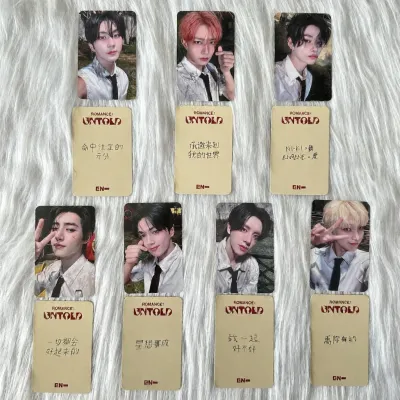
Next, examine the included photocards and booklets with a close eye. Official ENHYPEN photocards are printed on thick, premium cardstock with a professional matte or glossy finish that resists fingerprint smudges. In the tropical climate of the Philippines, high humidity can cause counterfeit photocards—which often lack proper protective coatings—to warp, curl, or feel sticky much faster than official cards. Inspect the edges of the cards; official manufacturing processes often leave tiny, barely visible tabs or ‘sprues’ on the corners where the cards were detached from their printing sheets. Counterfeit photocards, which are often printed on thinner paper and cut manually, typically have perfectly smooth, rounded corners or rough, uneven edges without these characteristic manufacturing marks.
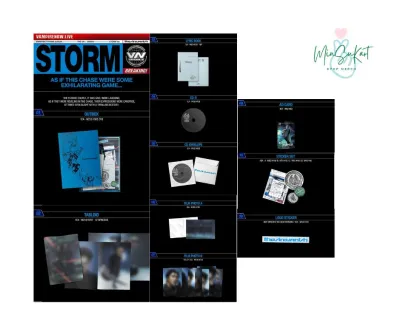
Verify the complete list of album components against official unboxing checklists. Limited edition albums are known for their extensive inclusions, which may include specific photobooks, lyric leaflets, sticker sheets, posters, and randomized photocards. Counterfeiters frequently omit smaller items, substitute them with generic prints, or fail to match the exact paper weight of official inserts. Ensure that every item listed on the official album specification sheet is present and matches the described material quality.
Finally, compare your physical item directly with verified unboxing videos or official promotional images provided by the label. High-definition unboxing videos from trusted creators are invaluable resources for verifying layout, color accuracy, and component placement. Look closely at the alignment of the text on the spine of the album, the exact shade of the packaging under natural light, and the texture of the materials. If your item displays noticeable deviations in layout, color, or texture from these verified references, it is likely a counterfeit.
Choosing Safe Purchasing Channels
To minimize the risk of purchasing counterfeit ENHYPEN merchandise, always prioritize official storefronts and authorized local distributors. Purchasing directly from platforms like Weverse Shop guarantees that your items are authentic and that your album sales count toward official music charts. For fans in the Philippines, utilizing authorized local K-pop specialty shops that import directly from South Korea is a reliable alternative. These shops often provide clear proof of purchase and maintain a transparent supply chain, giving you peace of mind.
When shopping on third-party e-commerce platforms or online marketplaces, a critical evaluation of the seller is essential. Analyze the store’s overall rating and read customer reviews carefully, focusing specifically on reviews that include photo or video proof of the received items. Look for feedback from other collectors who have successfully verified their purchases. Be wary of stores with generic names, high volumes of negative feedback regarding product authenticity, or reviews complaining about poor packaging and damaged goods. A reputable seller will also have a clear, fair return policy that protects buyers in case of disputes.
Recognize the inherent risks associated with unauthorized resellers, ‘factory seconds,’ or listings that explicitly state items are unsealed or replicas. Terms like ‘OEM,’ ‘factory overruns,’ or ‘fan-made replicas’ are common euphemisms used by sellers to market counterfeit goods without explicitly calling them fake. Genuine limited edition albums do not have ‘factory seconds’ that are sold cheaply outside of official channels. If a listing seems designed to obscure the origin of the product or uses stock photos instead of actual product images, it is best to avoid the transaction entirely.
Steps to Take If You Receive Counterfeit Items
If you suspect you have received a counterfeit ENHYPEN item, immediate and detailed documentation is your strongest tool. Always record a continuous, unedited video of the unboxing process, starting from the moment you cut open the courier’s pouch. Ensure the shipping label with your tracking number is clearly visible in the frame before you begin opening the package. This unboxing video serves as indisputable proof of the item’s condition upon arrival and is widely required by both online marketplaces and local sellers to process disputes.
In addition to the video, take clear, well-lit, close-up photos of the specific areas that raise concerns, such as blurry printing, peeling security stickers, or incorrect packaging dimensions. Once your evidence is gathered, initiate a formal return or refund request through the e-commerce platform’s buyer protection system. Do not click the button to confirm receipt of the order, as this often releases the payment to the seller and complicates the refund process. Present your unboxing video and photos clearly to the platform’s customer support to secure your refund.
After securing your refund, take the extra step to report the counterfeit listing and the seller’s store to the platform’s administration. Most major online marketplaces have strict policies against the sale of counterfeit goods and intellectual property infringement. Reporting these listings helps clean up the marketplace, making it safer for other fans who may not know how to spot fake merchandise. By taking action, you contribute to protecting the local collecting community from predatory selling practices.
Frequently Asked Questions (FAQ)
Can I verify ENHYPEN albums using a QR code or official app?
Some ENHYPEN releases, particularly Weverse Albums editions, include scannable QR codes or digital cards designed to link with official apps. These digital components allow you to register the album and access digital content, serving as a strong indicator of authenticity. However, standard physical albums and limited editions may only include survey QR codes or no digital codes at all. It is important to remember that sophisticated counterfeiters can occasionally clone QR codes or print fake cards with non-functional codes. Therefore, while a working digital registration is helpful, you must always combine it with a thorough physical inspection of the album’s print quality, paper weight, and holographic seals to ensure complete authenticity.
Are unsealed ENHYPEN limited edition albums always fake?
Unsealed ENHYPEN limited edition albums are not automatically counterfeit, but they do carry a higher risk. Collectors frequently unseal albums to extract specific photocard inclusions or to trade components with other fans, subsequently selling the remaining album contents at a lower price. While the album shell and photobook may be entirely genuine, the lack of original factory shrink-wrap means the item has lost its guaranteed factory seal. When purchasing an unsealed album, carefully verify that all internal components are present and inspect the edges of any included photocards for signs of wear or swapping. Always ask the seller for detailed, real-time photos of the items and, if possible, request proof of their original purchase from an authorized retailer.

Community discussion
Share your experience or ask a question. Comments are reviewed before publication.