
To verify if Byeon Woo-seok merchandise sold online is official, you must systematically cross-reference the listing details with official agency announcements, evaluate the seller’s reputation on your chosen e-commerce platform, and inspect the physical security markers on the product itself. With the massive rise in popularity of the South Korean actor, unauthorized reproductions have flooded online marketplaces. Protecting your budget and ensuring your money supports the artist requires a disciplined approach to online shopping before you click the checkout button.
Spotting Red Flags in Third-Party Merchandise Listings
In the Philippines, local online marketplaces are filled with listings for actor merchandise, but extreme price discrepancies are the first major warning sign. Official merchandise imported from South Korea involves manufacturing, licensing, and international shipping costs. If a listing offers a “limited edition” photocard set, a fan meeting slogan, or apparel for a suspiciously low price—such as ₱100 to ₱200 when official items typically command much higher import values—it is highly likely a mass-produced counterfeit.
Examine the listing photos closely. Authentic sellers usually provide high-resolution, clear images of the actual product packaging, including close-ups of security labels. Red flags include blurry images, stock photos with cropped-out watermarks, or inconsistent lighting across different photos in the same listing. These signs suggest the seller does not physically possess the official item and has instead copied promotional graphics from social media to front a counterfeit batch.
Products mentioned in this guide
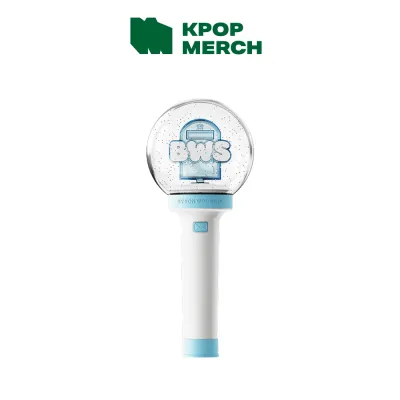
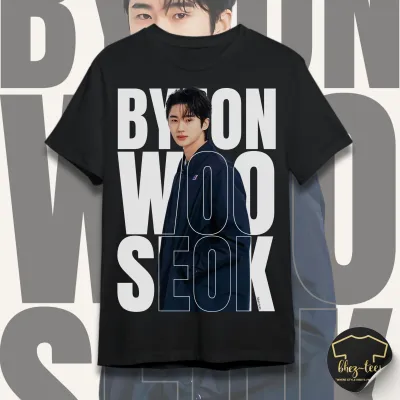
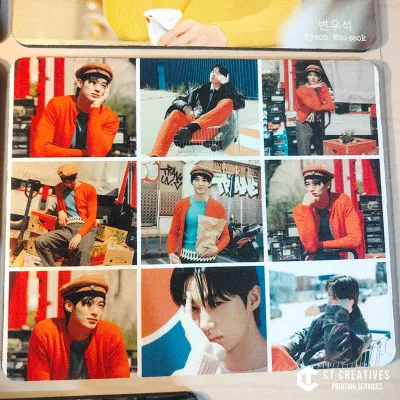

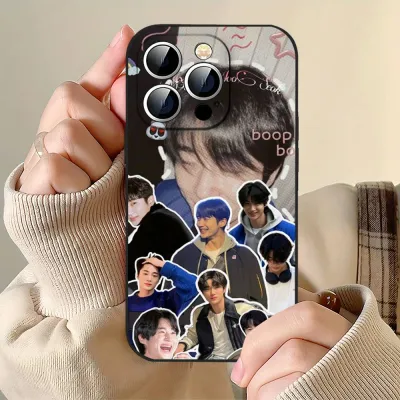

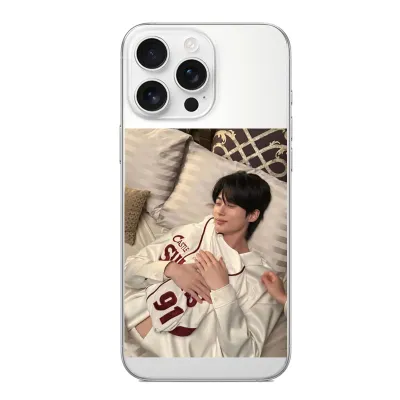
Prices are valid at publication and may change. Please refer to the product page for the latest price.
Vague descriptions are another indicator of unauthorized goods. Official merchandise listings detail exact dimensions, paper weight for photocards or posters, fabric composition for apparel, and official copyright lines. If a listing uses generic terms like “high-quality print” or “actor photo card” without specifying the manufacturer, licensing details, or official packaging, proceed with extreme caution.
Verifying Designs and Packaging Against Official Sources
To ensure you are buying genuine items, always cross-reference the product design with official announcements from Byeon Woo-seok’s managing agency, VARO Entertainment, or his official global fan club channels. Official merchandise collections—such as those released for fan meetings or special dramas—are launched with detailed promotional guides showing exact layouts, color schemes, and typography. Compare the font spacing, logo placement, and color gradients on the seller’s item with these official templates. Even minor deviations in logo alignment or color saturation can expose a counterfeit.

Look for physical security features. Official Korean entertainment merchandise frequently utilizes holographic security stickers, unique serial numbers, or specific licensing seals on the back of the packaging. These stickers reflect light in a distinct multi-colored pattern and are difficult for counterfeiters to replicate accurately. Additionally, check for official copyright text, such as “© VARO Entertainment” or the designated production partners, printed clearly on the item or its box.
It is also important to distinguish between official agency releases and fan-supported goods. Many talented fans design and sell their own custom items, such as fan art prints, customized keychains, or cup sleeves. While these are unofficial, they are generally created as fan art rather than deceptive counterfeits. Official merchandise, by contrast, is directly licensed and authorized by the actor’s agency. Knowing which category an item falls into helps you set realistic expectations for its origin and collectibility.
Assessing Seller Credibility on E-Commerce Platforms
Evaluating the seller’s profile on your preferred online marketplace is just as critical as inspecting the product itself. Start by analyzing the seller’s overall rating and the age of their shop. Established shops with a history of positive transactions are generally safer than newly created accounts with zero feedback. Read through the detailed customer reviews, paying close attention to buyers who have uploaded photos of their received items. Look for specific mentions of packaging quality, bubble wrap protection, and verification of official stickers.
Distinguish between authorized retail partners and individual resellers. Some established local hobby shops or specialized K-pop importers have verifiable business credentials and a long-standing reputation within the local fan community. When buying from individual resellers on marketplace groups or secondhand platforms, ask for proof of purchase, such as the original order confirmation email from the official Korean store, with sensitive personal information blurred out.
Always verify the seller’s return policy and the platform’s buyer protection terms before finalizing your purchase. Genuine sellers are usually willing to cooperate with platform-mediated return policies. If a seller insists on transactions outside the e-commerce platform’s payment system or demands that you mark the order as received before they ship the item, cancel the transaction immediately. These tactics are designed to bypass buyer protection windows, leaving you with no recourse if the item arrives damaged or fake.
Steps to Take If You Receive Suspected Counterfeits
If you suspect that the merchandise delivered to your doorstep is counterfeit, your immediate priority is documentation. Before opening the parcel, prepare a well-lit space and record a continuous, unedited unboxing video. Start the video by showing the shipping label clearly, including the tracking number and seller details. Film the entire process of opening the package and inspect the item from multiple angles on camera, pointing out any missing holographic stickers, blurry printing, or damaged packaging. This video serves as your primary evidence during a dispute.
Once you have documented the discrepancies, initiate a formal return or refund dispute directly through the e-commerce platform’s customer support interface. Do not attempt to resolve the issue through informal, private messages with the seller, as they may try to delay the process until the platform’s automatic guarantee window expires. Present your unboxing video and side-by-side comparison photos showing the differences between the received item and the official agency specifications.
Avoid direct confrontation with the seller and do not agree to ship the item back outside the platform’s official return system. Returning an item without platform mediation means you lose tracking visibility within the system, which can invalidate your refund claim. Let the platform’s customer service team mediate the dispute to ensure your buyer rights and financial refund are fully protected under their terms of service.
Frequently Asked Questions (FAQ)
Are unofficial fan-made goods considered fake merchandise?
No, unofficial fan-made goods are not inherently considered fake or counterfeit merchandise, provided they are sold transparently. Fan-made items—such as custom-designed keychains, fan art prints, or commemorative cup sleeves—are created by independent artists to celebrate their shared appreciation for the actor. These items do not attempt to mimic official agency branding or use forged security stickers. True counterfeits, however, are deceptive products designed specifically to trick buyers into believing they are purchasing official, agency-licensed merchandise.
Does a high price guarantee that the item is authentic?
No, a high price does not guarantee authenticity. While official merchandise is naturally more expensive due to import costs and licensing fees, bad actors and scalpers frequently list counterfeit items at premium prices. They do this intentionally to exploit the common assumption that expensive items must be genuine. To protect yourself, never rely on price alone as a measure of authenticity; always evaluate the listing details, cross-reference the design with official agency sources, and verify the seller’s reputation and platform guarantees.

Community discussion
Share your experience or ask a question. Comments are reviewed before publication.