
Purchasing official babyface merchandise online in the Philippines requires a sharp eye and a methodical approach to verification. With the rising popularity of collectible music media and limited-edition goods, the market has seen an influx of unauthorized reproductions. Many third-party sellers list these items using official promotional images, making it nearly impossible to judge authenticity based on the product listing photos alone. To protect your investment and ensure you are supporting the official creators, you must look beyond the surface level of a listing. Genuine verification involves a multi-step process that begins before you even click the purchase button and continues until the package is safely in your hands. By systematically evaluating seller storefronts, inspecting physical packaging details, utilizing digital authentication tools, and analyzing pricing structures, you can confidently navigate online marketplaces and avoid counterfeit products.
Evaluate Seller Credentials and Storefronts
Before committing to a purchase, the first line of defense is a thorough investigation of the seller’s storefront. Official brand stores and authorized distributors are the safest channels for acquiring authentic babyface merchandise. Many major e-commerce platforms feature verified mall sections or official brand badges that indicate a direct relationship with the manufacturer. Whenever possible, prioritize these certified storefronts, even if it means waiting for restocks.
When dealing with third-party sellers or independent hobby shops on online marketplaces, look closely at their seller profiles for potential red flags. A newly created account with a generic, randomly generated username is a common sign of a temporary storefront set up to liquidate counterfeit stock. Check the seller’s overall rating and look for a consistent history of successful transactions. A lack of verifiable business information, such as a registered business name, should prompt caution.
Products mentioned in this guide
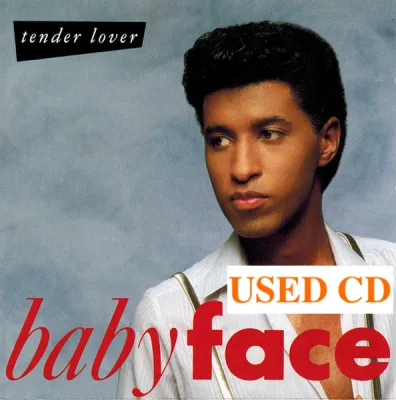
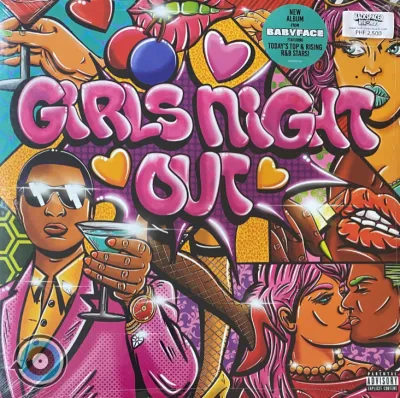
Prices are valid at publication and may change. Please refer to the product page for the latest price.
Customer reviews offer invaluable clues, but they must be analyzed critically. Look specifically for detailed feedback that mentions the authenticity of the items, the quality of the packaging, and the accuracy of the product descriptions. Be wary of stores where reviews are overly generic, repetitive, or written in a highly mechanical tone, as these can be fabricated. Authentic reviews from local buyers in the Philippines often include real-life photos of the received items, details about how well the package was protected against tropical transit conditions, and specific mentions of official inclusions.
Inspect Packaging and Physical Details
Once the package arrives, a close physical inspection of the packaging and the product itself is crucial. Official babyface merchandise is manufactured to strict quality control standards, which counterfeits rarely replicate. Start by assessing the print clarity and color accuracy of the outer packaging. Genuine items feature sharp, high-resolution printing with vibrant, accurate colors that match official promotional images. Counterfeits often exhibit blurry text, pixelated graphics, or a noticeable color shift, which typically results from scanning and reprinting official artwork.

The materials used in the packaging can also reveal a product’s true origin. Official merchandise utilizes sturdy, high-grade cardboard or plastic designed to protect the contents during international shipping and long-term storage. In contrast, counterfeit packaging often feels flimsy, thin, or unusually lightweight. In the humid climate of the Philippines, low-quality paperboard used in fake goods is particularly prone to warping, softening, or absorbing moisture quickly, whereas official packaging maintains its structural integrity much better under normal indoor conditions.
Pay close attention to fine manufacturing details, such as the alignment of logos, the spelling of text, and the presence of official security seals. Misspellings, misaligned branding elements, or uneven margins are clear indicators of unauthorized production. Many official releases feature specialized holographic stickers or security seals affixed to the back or bottom of the packaging. These stickers should reflect light in a clean, multi-layered pattern and display sharp, microscopic details. If a holographic sticker looks flat, dull, or is easily peeled off without leaving a pattern behind, the item is highly suspect.
Verify Official Codes and Digital Authentication
Digital authentication has become one of the most reliable methods for confirming the legitimacy of official merchandise. Many modern babyface releases incorporate unique security features directly into the product or its inner packaging. These can include hidden security codes, scratch-off panels, QR codes, or embedded Near Field Communication (NFC) tags. Before opening the item completely, locate these security elements and prepare to verify them using official channels.
To perform a digital check, use the official verification portal or the designated mobile application specified by the brand. Avoid using generic QR code scanners that redirect to unfamiliar third-party websites, as counterfeiters often set up fake verification pages to mimic the official process. Instead, download the official app directly from a trusted app store or type the official URL manually into your browser. Scratch off the protective layer carefully to reveal the unique alphanumeric code, then enter or scan it through the official system.
The result of this digital scan is definitive. A genuine, unscanned code will return a confirmation message indicating that the product is authentic and registered. If the system returns an invalid code error, or if it alerts you that the code has already been scanned multiple times in the past, the item is almost certainly a counterfeit. In such cases, stop handling the item immediately, do not damage the packaging further, and prepare to initiate a return process using the digital scan result as primary evidence.
Analyze Pricing and Product Listings
A realistic understanding of pricing is essential for spotting counterfeit listings before making a transaction. Compare the listed price in ₱ against the official retail price set by the manufacturer, factoring in standard international shipping costs and local taxes. If a seller is offering a highly sought-after babyface item at a massive discount or as part of a permanent clearance sale, it is highly likely to be a fake. Official merchandise rarely depreciates significantly, and genuine sellers must cover their import expenses.
Examine the product descriptions and listing details with a critical eye. Authentic listings provide precise specifications, including dimensions, weight, material composition, and a complete list of included items like photobooks, lyric sheets, or limited-edition inserts. Counterfeit listings often use vague terminology, such as “replica,” “OEM version,” “fan-made edition,” or “unbranded.” They may also rely entirely on stolen official stock images without showing any actual photos of the physical stock in the seller’s possession.
Be particularly cautious of suspicious bundle deals that seem too good to be true. Counterfeiters frequently bundle common items with rare, out-of-print, or limited-edition babyface collectibles at standard or slightly discounted prices to entice unsuspecting buyers. Genuine rare items command a premium in the collector market, and finding them bundled cheaply is a major warning sign. If the listing lacks clear details about the specific edition, regional compatibility, or authorized source of the items, it is safer to look elsewhere.
What to Do If You Receive Suspected Counterfeits
If you receive a package and suspect the merchandise is counterfeit, taking immediate, organized action is vital to securing a refund. The verification process actually begins the moment the courier delivers the package to your home. Always record a continuous, unedited video of the unboxing process. Start the video by showing the shipping label clearly, ensuring the tracking number and seller details are legible, and then film the opening of the outer box and the inspection of the item’s physical details and security seals.
This unboxing video serves as your most powerful evidence when initiating a return and refund request through the e-commerce platform’s buyer protection program. File the dispute immediately within the platform’s designated guarantee window, which is often quite short. Upload clear, well-lit photos highlighting the specific discrepancies you found, such as blurry printing, misspellings, or a failed digital authentication scan. Keep all original packaging, shipping labels, and protective materials intact, as you may be required to ship the item back to the seller or a platform verification center.
In addition to seeking a refund, report the suspicious storefront to the platform administrators to prevent other buyers from being misled. Most online marketplaces have dedicated reporting tools for intellectual property violations and counterfeit sales. If possible, you can also notify the official brand or authorized distributor through their customer support channels, providing them with the seller’s store name, listing links, and photos of the counterfeit packaging. This helps the brand take legal action and maintain the integrity of the collector community.
Frequently Asked Questions (FAQ)
Can I trust a seller if they provide a certificate of authenticity?
No, you should not rely solely on a certificate of authenticity provided by a third-party seller. These certificates are incredibly easy to design, print, and forge, and they carry no official weight unless they are issued directly by the brand or an authorized manufacturer. Instead of trusting a paper certificate, always prioritize official digital verification methods, such as scanning unique QR codes or NFC tags through the brand’s official app, and verify that the seller is an authorized retailer.
Are unofficial fan-made goods considered counterfeit?
There is a distinct difference between unofficial fan-made goods and commercial counterfeits. Fan-made merchandise, often referred to as fan art or fan goods, is typically created by independent artists as a tribute and is clearly labeled as unofficial. These items do not attempt to mimic official packaging or use forged security seals. Counterfeits, on the other hand, are unauthorized reproductions designed specifically to deceive buyers into believing they are purchasing genuine, officially licensed babyface products.
What if the official verification website is down or not working?
If the official verification portal or mobile app is temporarily unavailable, do not assume the product is counterfeit or proceed to use it. Wait a few hours and try the verification process again, as server maintenance or high traffic can cause temporary outages. If the system remains offline, contact the brand’s official customer support team directly, providing them with clear photos of the security code, the packaging, and your proof of purchase to request manual verification.
Community discussion
Share your experience or ask a question. Comments are reviewed before publication.