
Purchasing a high-quality keyboard is a significant investment for musicians, students, and hobbyists alike. As demand for reliable digital instruments continues to grow, counterfeit products have increasingly found their way into online marketplaces and unauthorized retail shops. Verifying the authenticity of a Yamaha keyboard requires a systematic approach that combines physical inspection, digital testing, and seller verification.
Because counterfeit instruments often mimic the outward appearance of genuine models, relying on a single check is rarely enough. To ensure you are purchasing an original instrument, you must examine the hardware craftsmanship, cross-reference the serial number, test the internal sound engine with official software, and purchase exclusively from verified sources. Taking these precautions protects your investment and ensures you receive the rich sound quality and durability that the brand is known for.
Inspecting Physical Build and Hardware Markers
A genuine keyboard features precise manufacturing standards that counterfeiters struggle to replicate. Start by examining the brand logo printed on the chassis. On an original unit, the logo font is perfectly aligned, sharp, and resistant to light scratching, whereas fakes often display slightly distorted lettering, uneven spacing, or paint that easily flakes off.
Products mentioned in this guide
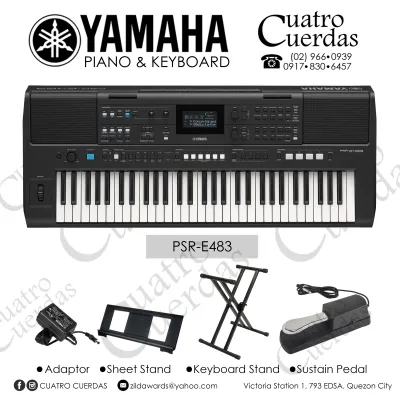
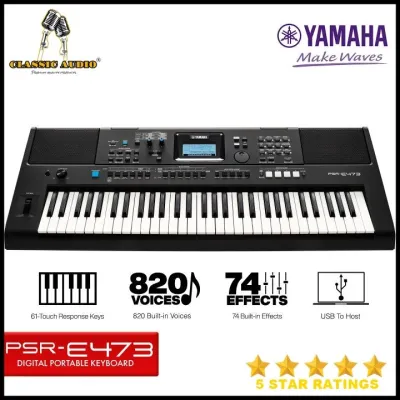
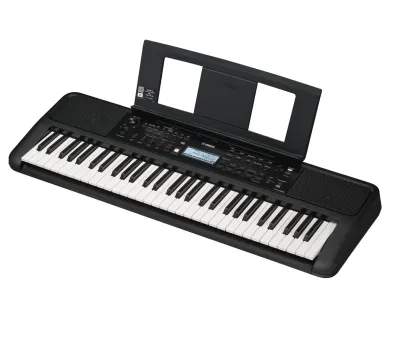
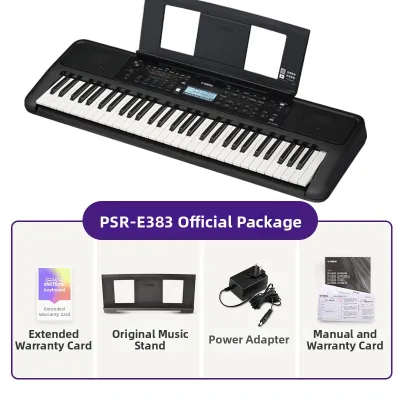
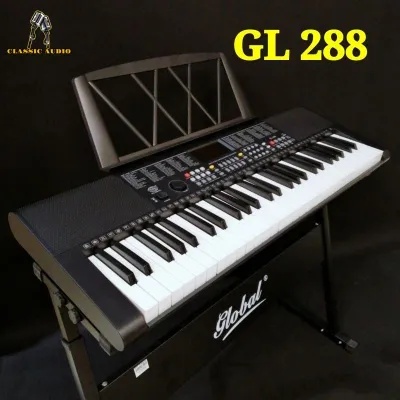
Prices are valid at publication and may change. Please refer to the product page for the latest price.
The keybed provides another immediate indicator of quality. Original keys have a consistent weight, smooth travel, and uniform spacing across the entire keyboard. If you notice keys that feel excessively light, squeak when pressed, or sit at uneven heights, the unit may be a counterfeit or assembled from substandard parts. Authentic keybeds are designed to withstand years of expressive playing, while counterfeit keys often feel flimsy and lack proper velocity sensitivity.
Additionally, inspect the control panel and physical interfaces. Genuine buttons offer a firm, tactile click without sticking, and the built-in display screen should be clear, bright, and free from uneven backlighting or pixelation. Check the rear ports, such as the power input, sustain pedal jack, and headphone outputs. On authentic models, these ports align perfectly with the chassis cutouts and do not wiggle when cables are inserted. Furthermore, the included power adapter should feature official safety markings and a robust build, rather than feeling suspiciously light or generic.
Verifying Serial Numbers and Packaging Details
Every authentic keyboard is assigned a unique serial number that serves as its primary identity marker. This number is typically found on a label on the underside or rear of the instrument. Inspect this label closely to ensure the text is crisp, the barcode is clear, and there are no signs of tampering, peeling, or adhesive residue, which could indicate a transferred label.

The packaging itself offers critical clues regarding authenticity. Original boxes are made of sturdy, high-quality cardboard with sharp, high-resolution printing that includes the exact model name, specifications, and regional safety marks. Be cautious of plain brown boxes with poorly printed labels, misspelled words, or missing security seals. Authentic packaging is designed to protect the instrument during transit, featuring custom-molded foam inserts rather than loose or generic packing materials.
Inside the box, check the documentation and accessories. A genuine product includes a professionally printed user manual in clear, grammatically correct language, along with a dedicated warranty card. In the local market, authentic units often feature documentation or stamps from the authorized distributor, which you can verify by contacting the distributor directly. Missing manuals, poorly photocopied guides, or generic warranty slips are strong indicators of a counterfeit product.
Testing Sound Engine, Software, and Connectivity
The internal digital components of a keyboard are highly sophisticated and difficult for counterfeiters to copy. When you power on the instrument, listen closely to the default piano voice through high-quality headphones. Genuine models utilize advanced sampling technology that delivers rich, natural decay and responsive dynamics, whereas fakes often produce flat, synthetic sounds that clip or distort at high volumes.
Another reliable verification method is testing device compatibility with official software. Connect the keyboard to a computer or mobile device and launch the manufacturer’s official companion applications. Authentic instruments are automatically recognized by the software, allowing you to access interactive features, transfer MIDI files, or update the firmware. If the application fails to detect the instrument entirely, it is highly likely that the internal mainboard is a cheap imitation.
Finally, test the physical data connections. Use a standard USB or MIDI cable to connect the keyboard to a digital audio workstation (DAW) on your computer. A genuine keyboard will transmit precise MIDI data instantly without requiring third-party drivers or experiencing noticeable latency, confirming that the internal MIDI interface is authentic. Pay attention to the polyphony as well; try playing a complex chord with the sustain pedal held down. If notes cut off abruptly or the sound engine struggles to process the inputs, the hardware does not match original specifications.
Evaluating Seller Credentials and Pricing Red Flags
Where you buy is just as important as what you buy. Authorized dealers and established music stores are the safest options, as they receive their inventory directly from official distribution channels. When shopping on online marketplaces, look for official store badges, high seller ratings, and positive customer feedback that specifically mentions successful product registration. Avoid sellers who use vague terms like “OEM,” “factory overstock,” or “direct from warehouse” to justify unusually low prices.
Be highly skeptical of pricing that seems too good to be true. While promotional discounts occur, a brand-new keyboard listed in ₱ at a fraction of its standard retail price is a major red flag. Counterfeiters often use extreme price cuts to lure unsuspecting buyers who are looking for a bargain. Remember that genuine musical instruments maintain a relatively stable market value due to their high-quality components and manufacturing costs.
Before finalizing your purchase, ask the seller for explicit proof of authorized distribution or a clear return policy. Legitimate sellers will gladly provide documentation, clarify warranty terms, and offer a return window, whereas unauthorized sellers may offer vague answers, refuse returns, or claim the product is an “export unit” to explain the lack of local warranty support. Always verify if the warranty is backed by the official local distributor or if it is merely a “store warranty” that offers little actual protection.
Steps to Take If You Receive a Suspected Fake
If you suspect that the keyboard you received is not genuine, act quickly to protect your investment. Begin by documenting the unboxing process and taking clear, high-resolution photographs of the packaging, serial number label, and any physical defects or inconsistencies you observed. This visual evidence is crucial for supporting your claim. Do not attempt to open the chassis or repair any parts yourself, as this can void your return privileges with the seller or platform.
Next, contact the ecommerce platform or your payment provider immediately to report the issue and initiate a dispute. Most major online marketplaces have buyer protection programs that can freeze the transaction and facilitate a refund if you can demonstrate that the item received is counterfeit. Provide all your documented photographic evidence and clearly state that the product is a counterfeit, which violates platform policies.
Finally, reach out to the manufacturer’s local customer support or authorized distributor in the Philippines. Provide them with the serial number and photos of the unit; they can often verify the status of the serial number in their database and provide official confirmation that can be used to strengthen your refund dispute. Reporting these incidents also helps local distributors track down counterfeit networks and protect other consumers from falling victim to similar scams.
Frequently Asked Questions (FAQ)
Can I verify a Yamaha keyboard's authenticity using only the serial number?
No, relying solely on the serial number is not sufficient. Counterfeiters can easily copy a valid serial number from a genuine unit or a broken instrument and print it onto a fake label. To ensure complete authenticity, you must combine a serial number check with physical inspections, sound quality tests, and software connectivity verification.
Are refurbished Yamaha keyboards considered fake?
Refurbished keyboards are not fakes, provided they are genuine instruments that have been repaired and restored to working order. However, it is vital that the seller clearly discloses the refurbished status of the unit. Authorized refurbished keyboards may have different warranty terms and minor cosmetic wear, but they still contain original internal components and work with official software.
Community discussion
Share your experience or ask a question. Comments are reviewed before publication.