
Verifying the authenticity of a Pearl drum set requires a systematic inspection of the physical shell construction, the quality of the metal hardware, the precision of the branding, and the legitimacy of the sales channel. Because counterfeit musical instruments often mimic the outward appearance of reputable brands, buyers must look beyond the surface logo to examine structural details like bearing edges, thread machining, and serial number formats. By combining a hands-on physical check with a careful evaluation of the seller’s documentation and pricing, you can confidently distinguish a genuine Pearl kit from a cheap imitation before any money changes hands.
Why Authenticity Matters for Pearl Drum Sets
Investing in a drum kit is a significant financial and artistic decision, making authenticity a critical factor for both your sound and your budget. Genuine Pearl drum sets are engineered using specific wood plies, such as maple, birch, or mahogany, which are bonded and cured under high pressure to maximize acoustic resonance and structural stability. Counterfeit drum sets, by contrast, often utilize cheap, low-grade plywood or composite materials that stifle vibration, resulting in a flat, muddy sound that lacks projection and warmth. In a humid tropical climate like that of the Philippines, these inferior materials are also highly susceptible to warping, delamination, and mold, which can permanently ruin the instrument’s acoustic properties.
Beyond the sound of the shells, the quality of the hardware plays a vital role in the daily usability of the kit. Authentic hardware is designed to withstand the constant high-tension forces of tuned drumheads and the physical impact of regular playing. Counterfeit kits frequently use cheap pot metals or poorly cast alloys for lugs, hoops, and tension rods, which are prone to stripping, cracking, or bending under pressure. A hardware failure during a live performance or a practice session can disrupt your playing and require costly replacements. Furthermore, purchasing a counterfeit product deprives you of any official manufacturer warranty or after-sales support, leaving you with no recourse if a component fails prematurely.
Products mentioned in this guide
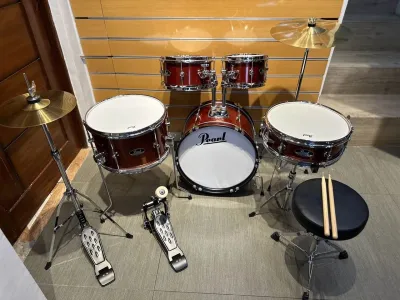
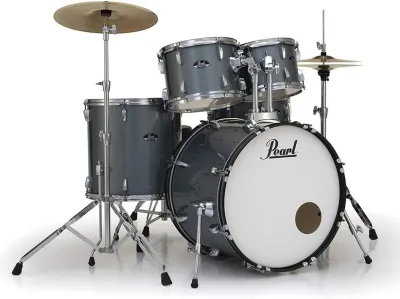
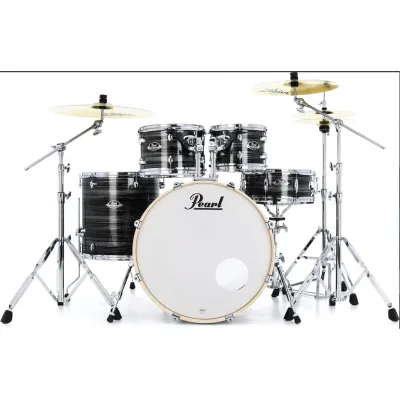
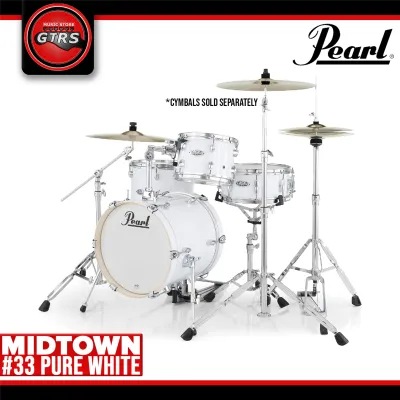
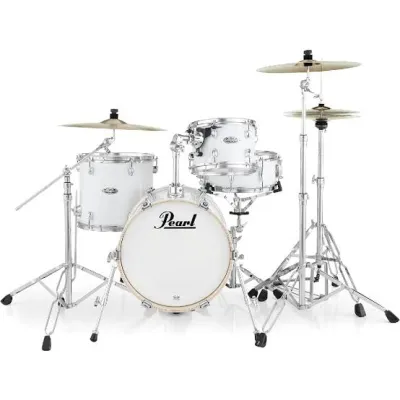
Prices are valid at publication and may change. Please refer to the product page for the latest price.
Visual and Physical Inspection Checklist
When evaluating a drum set, whether you are inspecting it in person at a local shop or reviewing high-resolution photos from an online listing, a structured physical check is your best defense against fraud. Counterfeiters often replicate the general shape of a drum kit but fail to match the rigorous quality control standards maintained during official manufacturing. While a single minor cosmetic imperfection might occasionally occur on a genuine entry-level kit, a combination of multiple physical red flags strongly indicates that the product is a counterfeit. Take your time to examine the shells, metal components, and branding elements individually to build a complete picture of the instrument’s quality.

Shell Finish and Bearing Edges
The drum shell is the heart of the instrument, and its finish is one of the most visible indicators of manufacturing quality. For wrapped finishes, inspect the outer surface closely for any signs of bubbling, lifting, or uneven seams. Genuine Pearl wraps are applied with industrial adhesives that ensure a completely flat, secure bond to the wood shell, whereas fake kits often exhibit loose edges or air pockets beneath the plastic wrap. If the drum set features a lacquered finish, look at the shell under direct light to check for runs, drips, uneven color distribution, or a rough “orange-peel” texture. Authentic lacquered shells undergo multiple stages of sanding and buffing to achieve a smooth, glass-like reflection.
Next, remove at least one drumhead to inspect the bearing edges, which are the cut top and bottom edges of the shell where the drumhead makes contact. On a genuine Pearl drum, these edges are cut precisely at specific angles (such as 45 degrees) and are perfectly flat and smooth to ensure even head seating and easy tuning. Run your fingers along the edge to feel for splinters, rough patches, or flat spots. Counterfeit shells often have unevenly cut bearing edges, visible gaps between the wood plies, or filler putty used to hide construction defects. These flaws make the drum incredibly difficult, if not impossible, to tune properly.
Hardware and Logo Details
The metal hardware attached to the shells provides further clues about the kit’s origin. Genuine Pearl hoops, lugs, and mounting brackets are heavy, solid, and finished with high-quality chrome plating that resists corrosion and wear. Inspect the plating for flaking, pitting, or a dull, yellowish cast, which are common signs of cheap, poorly treated metals used in counterfeit hardware. Pay close attention to the tension rods and lugs; the threads on genuine components are cleanly machined, allowing you to turn them smoothly by hand. If the tension rods feel gritty, loose, or require excessive force to turn even without tension on the head, the hardware may be poorly replicated.
Branding elements are another area where counterfeiters frequently make mistakes. Examine the Pearl logo on the bass drum head, the metal badges on each shell, and any stamped hardware components. On an authentic kit, the logo font is crisp, with consistent line thickness, correct letter spacing, and precise alignment. Badges should be securely fastened to the shell with rivets or high-quality screws, not simply glued on or attached crookedly. Look closely for spelling errors, unusual font variations, or blurry printing on the badges, as these are clear indicators of a counterfeit product. Additionally, test the operation of all moving parts, such as the bass drum pedal, hi-hat stand, and tom mounts, ensuring that adjustments are smooth and secure without slipping.
Verifying Serial Numbers and Documentation
Every modern Pearl drum set features specific identification markers that help verify its production history. Look for metal badges on the side of each drum shell, which typically display the model name and a unique serial number or batch code. While the placement, style, and format of these numbers vary depending on the specific model line and the decade of manufacture, their presence is a standard feature on genuine kits. If a seller claims a drum set is a recent model but it lacks any badges or serial numbers, or if the badges appear to have been tampered with or replaced, proceed with extreme caution.
In addition to the physical drum components, inspect any accompanying documentation that comes with the kit. Brand-new Pearl drum sets are packaged with official owner’s manuals, warranty registration cards, and sometimes promotional inserts. Examine the print quality of these documents; genuine materials feature sharp text, high-resolution diagrams, and professional layout design. Counterfeit packages often include poorly photocopied manuals with blurry text, grammatical errors, typos, or incorrect language translations.
The packaging itself can also reveal the legitimacy of the product. Genuine Pearl drums are shipped in heavy-duty, double-walled cardboard boxes designed to protect the instrument during international transit. These boxes are typically printed with clear brand logos, model numbers, color codes, and barcodes that match the contents inside. If a supposedly brand-new drum set arrives in a plain, unmarked box, or if the packaging material feels flimsy and lacks official labeling, it is highly likely that the product is not an original factory shipment.
Evaluating the Seller and Purchase Channel
Choosing where to buy your drum set is just as important as inspecting the physical instrument itself. To guarantee authenticity, prioritize purchasing from authorized Pearl dealers, established local music stores, or reputable distributors within the Philippines. These businesses source their inventory directly from the manufacturer or official regional distributors, ensuring that every kit is genuine and covered by a valid local warranty. Authorized dealers are also staffed by knowledgeable professionals who can answer technical questions and assist with setup and maintenance.
If you are shopping on online marketplaces or e-commerce platforms, you must exercise extra vigilance. Be wary of listings that rely solely on manufacturer stock photos rather than actual pictures of the specific drum set being sold. Check the seller’s profile for their transaction history, customer ratings, and reviews; a seller with no previous sales history, a newly created account, or a pattern of negative feedback regarding product authenticity is a major risk. Avoid sellers who refuse to provide additional close-up photos of the badges, bearing edges, or hardware when requested.
Pricing is another critical indicator of legitimacy. Research the standard retail price range for the specific Pearl model you want to buy in the local market. If a listing offers a brand-new, high-end professional kit for a price that is closer to the cost of an entry-level student model—such as a difference of tens of thousands of pesos—it is highly probable that the item is a fake. Genuine Pearl drums maintain a stable market value due to their manufacturing costs and material quality, so extreme discounts should always be treated as a warning sign.
What to Do If You Suspect a Counterfeit
If you suspect a drum set is counterfeit during an in-person inspection, the safest course of action is to halt the transaction immediately. Do not feel pressured by the seller to complete the purchase, even if they offer a sudden discount or claim that other buyers are waiting. Politely decline the sale and walk away, as recovering your money once cash has changed hands in a private transaction can be extremely difficult.
For online purchases where you discover the counterfeit after delivery, immediate documentation is essential. Take clear, high-resolution photographs and videos of the entire kit, focusing on the specific areas that reveal it is a fake, such as poor finishes, misaligned logos, rough bearing edges, or flimsy hardware. Keep a complete record of all communications with the seller, including chat logs, order confirmations, and payment receipts. Do not attempt to alter, repair, or play the drum set, as this could complicate your return claim.
Once you have gathered your evidence, initiate a dispute through the e-commerce platform’s official customer support channel to request a full refund. Most reputable online marketplaces have buyer protection policies that cover counterfeit goods, provided you report the issue within their specified return window. Additionally, you can report the fraudulent seller to local consumer protection agencies in the Philippines, such as the Department of Trade and Industry (DTI), to help prevent other musicians from falling victim to the same scam.
Frequently Asked Questions (FAQ)
Can I verify a Pearl drum set using only its price?
While an exceptionally low price is one of the most common warning signs of a counterfeit drum set, you cannot rely on price alone to verify authenticity. Fraudulent sellers are aware that extremely low prices raise suspicion, so they may price a fake kit only slightly below the standard retail rate to make the listing appear like a legitimate discount. Conversely, a seller might list a counterfeit drum set at full retail price to trick unsuspecting buyers into assuming it is genuine. Therefore, while you should use price as an initial screening tool, you must always perform a thorough physical inspection and verify the seller’s credentials before making a final decision.
Do all genuine Pearl drum sets come with a certificate of authenticity?
No, the vast majority of genuine Pearl drum sets do not include a separate certificate of authenticity. Standard entry-level and mid-tier model lines rely on the serial numbers printed on the shell badges and the official warranty registration cards for identification and verification purposes. Pearl typically reserves formal certificates of authenticity for high-end custom orders, limited-edition releases, or artist-signature snare drums and kits. If you are purchasing a standard production model, do not expect a certificate, but do ensure that the shell badges, serial numbers, and official packaging are present and correct.
Community discussion
Share your experience or ask a question. Comments are reviewed before publication.