
Verifying the authenticity of a TREASURE album requires a systematic inspection of its physical details, from the outer shrink wrap to the print quality of the photobook and the security seals. Because counterfeit albums have become increasingly sophisticated, relying on a single feature is rarely enough. Instead, collectors must combine visual, tactile, and digital checks to ensure their copy is a genuine release from YG Entertainment.
In the Philippines, where the tropical climate and high humidity can quickly degrade poorly manufactured materials, physical inspection is especially telling. Genuine albums use durable paper stocks and professional binding techniques that resist warping far better than cheap, unauthorized reproductions. By learning what to look for, you can protect your collection and ensure your money supports the artists directly.
Understanding the Risks of Counterfeit K-Pop Albums
Collecting physical music albums is a core part of the K-Pop fan experience, serving as a tangible connection to your favorite artists. However, the rise of unauthorized reproductions in the secondary market has made it necessary for fans to remain vigilant. These counterfeit products are often sold by unauthorized third-party sellers who exploit the high demand for rare or out-of-print editions.
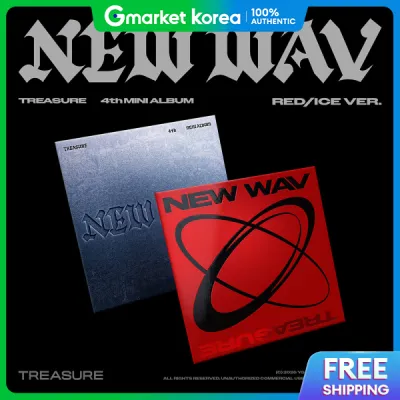
Products mentioned in this guide
![[ + YG / WEVERSE GIFT ] TREASURE - 4th Mini Album [NEW WAV] RAW ver](https://img.lazcdn.com/g/ff/kf/S66447ea5c2c6451599faaf53794d9148u.jpg_400x400q80.jpg_.webp)
![NCAT TREASURE: REBOOT [YG TAG VER]](https://img.lazcdn.com/g/p/974706c575c75dadee044c96a838e03a.jpg_400x400q80.jpg_.webp)
Prices are valid at publication and may change. Please refer to the product page for the latest price.
When you purchase a counterfeit TREASURE album, your money does not contribute to official music charts like Hanteo or Circle Chart. These charts reflect the group’s commercial success and influence music show wins. Buying fake merchandise directly undermines the hard work of the members and their production teams.
Beyond the lack of industry support, counterfeit albums are a major disappointment. They typically feature low-quality materials, blurry images, and missing or poorly replicated inclusions. Instead of a premium keepsake, you receive a substandard imitation that lacks the value and aesthetic appeal of an official release.
Evaluating Outer Packaging and Shrink Wrap Quality
The first line of defense when authenticating a TREASURE album is the outer packaging. Official manufacturers use high-grade shrink wrap that fits tightly and evenly around the album box or sleeve. Look for clean, uniform heat-sealed edges along the sides. Counterfeiters often use loose, crinkly, or hand-sealed plastic wrap that leaves messy, thick seams or uneven corners.

Next, examine the printing on the outer box, sleeve, or obi strip. Official YG Entertainment releases maintain strict quality control, resulting in razor-sharp text, accurate color reproduction, and perfect alignment. Inspect the TREASURE logo, album title, and copyright text closely. Counterfeit versions frequently exhibit slight alignment shifts, fuzzy edges on small fonts, or even spelling mistakes in the English credits and tracklists.
Finally, locate the printed barcode and catalog number on the back of the packaging. You can cross-reference these numbers with official distributor listings, major K-Pop retail databases, or fan-compiled databases. While a matching barcode does not guarantee authenticity on its own, a mismatched or completely missing barcode is an immediate indicator of a fake product.
Assessing Print Quality and Physical Inclusions
Once you open the album, the internal materials offer reliable clues. Official photobooks are printed on premium, heavy-weight paper stock with specific finishes—such as matte, glossy, or textured coatings. In contrast, counterfeiters often use thin, cheap paper that feels flimsy and is highly susceptible to warping under humid tropical conditions.
Carefully inspect the images inside the photobook. Official prints feature deep, rich colors, smooth gradients, and sharp details even in dark areas. Counterfeit photobooks are often created by scanning an original copy, which introduces noticeable flaws. Look for pixelation, color bleeding, unnatural color casts (such as an overly red or yellow tint), and moiré patterns, which appear as wavy, repetitive lines on the images.
The physical inclusions, such as photocards, postcards, stickers, and posters, are highly prized by collectors and are frequently targeted by counterfeiters. Check the dimensions of these items against official specifications. Official photocards typically have perfectly rounded corners, clean edges without paper burrs, and a distinct thickness. The typography on the back of the cards should be crisp and centered, without any blurry edges or off-center printing.
Validating Official Security Seals and Holograms
One of the most reliable ways to verify a TREASURE album is by inspecting the official security seals. Most official Korean music releases feature a KOMCA (Korea Music Copyright Association) holographic sticker on the back cover. When you tilt this sticker under a direct light source, it should display a distinct color shift, a clear holographic pattern, and specific security details that are difficult to replicate.
Depending on the specific distribution channel and release version, the album may also feature a YG Entertainment official hologram sticker or a distributor-specific seal. These stickers are designed with intricate, multi-layered holographic elements. If the sticker looks like a flat, dull silver image without any dynamic color changes or depth when tilted, it is highly likely to be a fake.
Some modern releases also incorporate digital verification methods, such as QR codes or unique serial numbers printed on insert cards. You can use your smartphone to scan these codes, which should direct you to an official verification portal or app. Ensure the web address is legitimate and matches the official domain of the agency or authorized distributor before trusting the digital confirmation.
Selecting Reliable Purchasing Channels and Spotting Red Flags
To minimize the risk of buying a counterfeit TREASURE album, you should always prioritize authorized retail channels. Look for established physical music shops in the Philippines or reputable online stores that are officially partnered with Korean music charts like Hanteo and Circle Chart. These retailers receive their stock directly from authorized distributors, ensuring that every purchase is genuine and counts toward the group’s chart performance.
When browsing general online marketplaces or third-party seller platforms, exercise extreme caution. Be highly skeptical of listings that offer sealed albums at prices significantly below the standard retail rate. If a deal seems too good to be true—such as a brand-new, sealed album listed for an unusually low ₱ price—it is often a sign of a counterfeit product or a scam.
Before making a purchase from a third-party seller, thoroughly scrutinize their ratings and customer feedback. Look for reviews that contain user-uploaded photos of the actual product rather than generic stock images. Pay close attention to comments from other collectors who mention the quality of the packaging, the presence of the holographic sticker, and the overall condition of the inclusions upon arrival.
Taking Action If You Suspect a Counterfeit
If you receive an album and suspect it is a counterfeit, taking immediate and documented action is crucial. Before you even open the shipping package, set up your camera to record a continuous, unedited unboxing video. Start by showing the shipping label clearly, then film the entire process of opening the parcel and inspecting the album’s exterior and interior details. This video serves as indisputable proof of the item’s condition upon arrival.
Capture high-resolution, well-lit photos of the specific areas that raised your suspicions, such as blurry text, a flat or missing holographic seal, or poor paper quality. Once you have gathered your evidence, contact the seller immediately to request a return or refund. Clearly state the discrepancies between the received item and an authentic release, using your photos and video as supporting evidence.
If the seller is uncooperative or refuses to resolve the issue, escalate the matter by filing a formal dispute through the e-commerce platform’s customer support system. Provide all your documented evidence to support your claim of receiving a misrepresented or counterfeit item. Additionally, report the seller’s listing to the platform to help prevent other collectors in the community from falling victim to the same seller.
Frequently Asked Questions (FAQ)
Can I verify a TREASURE album using only the barcode?
No, you cannot rely solely on the barcode to verify authenticity. Barcodes are designed to identify the product type and can be easily copied and printed onto counterfeit packaging by unauthorized manufacturers. While a mismatched barcode is a clear sign of a fake, a matching barcode must always be cross-referenced with other physical checks, such as print quality and holographic security seals.
Do all authentic albums include a holographic security seal?
Most official TREASURE albums released for the Korean market feature a KOMCA holographic sticker or a YG Select security seal. However, designs, colors, and placements of these seals can vary depending on the specific album version, the distributor, and the release year. To know exactly what to expect, check official product descriptions or watch unboxing videos from trusted collectors for your specific album version.
What if the album is factory sealed but the print quality looks poor?
If a sealed album exhibits obvious external red flags, such as blurry cover art, misspelled text, or a suspicious shrink wrap texture, do not break the seal. Opening the product can complicate the return process with many sellers. Instead, document the external defects with clear photos and contact the seller immediately to initiate a return or exchange based on these visible issues.
Community discussion
Share your experience or ask a question. Comments are reviewed before publication.