
Verifying the authenticity of your LE SSERAFIM light stick is essential to ensure you receive a genuine piece of fan merchandise that functions correctly during concerts and fan gatherings. With the rise of highly sophisticated counterfeit goods, telling a genuine light stick apart from a fake requires a careful, multi-step inspection. By examining the physical build quality, checking the security features on the packaging, and testing the device’s Bluetooth connectivity with the official companion application, you can confidently determine whether your item is authentic.
Why Authenticating Your LE SSERAFIM Light Stick Matters
Owning an official light stick is a central part of the K-pop fan experience, especially when attending live performances where the crowd’s lights are synchronized to the music. Counterfeit light sticks present several practical and safety risks that can quickly ruin your concert experience. Many fake devices are manufactured with substandard electrical components, which can lead to poor battery safety, overheating, or rapid battery drainage. In tropical climates with high humidity, such as the Philippines, poorly insulated battery compartments in counterfeit items are particularly prone to corrosion and leakage, potentially ruining the device entirely.
Beyond physical safety, counterfeit light sticks frequently fail to perform their primary function during live events. Official light sticks contain specialized Bluetooth chips designed to pair with concert venue control systems, allowing the production team to change the colors of the crowd in sync with the performance. Fake light sticks typically lack these advanced chips, meaning your device will remain static or out of sync while the rest of the arena lights up in unison.
Products mentioned in this guide
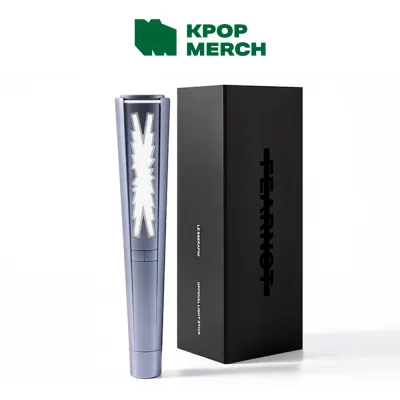
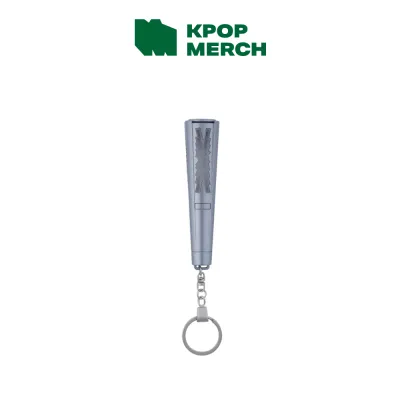
![[ON-HAND] LE SSERAFIM Official Mini Light Stick Key Ring](https://img.lazcdn.com/g/p/2bd30365872aa59a3d1d61799ccfa7a0.png_400x400q80.png_.webp)
Prices are valid at publication and may change. Please refer to the product page for the latest price.
Furthermore, purchasing counterfeit merchandise directly deprives the artists and their management agency of support. Official merchandise sales help fund future albums, tours, and content for the group. Because online listings often use official promotional photos to mask the actual product being sold, relying solely on digital images is highly deceptive. Physical and digital verification after receiving the item is the only way to guarantee your purchase is legitimate.
Key Physical and Packaging Markers to Check
When your light stick arrives, conducting a systematic visual and tactile inspection is the first line of defense against counterfeits. To do this effectively, it is highly recommended to compare your item directly against official unboxing videos or high-resolution photos published on the agency’s official channels. Having a reliable reference point allows you to spot subtle discrepancies in design, color, and construction that might otherwise go unnoticed.

It is important to remember that no single surface feature can guarantee authenticity on its own. Manufacturers of counterfeit goods constantly update their production methods to mimic genuine packaging. Therefore, you must evaluate a combination of physical markers, packaging details, and functional tests to form a reliable conclusion about your light stick’s legitimacy.
Box, Holograms, and Packaging Details
The external packaging is often where counterfeiters make the most visible mistakes. Genuine LE SSERAFIM light sticks come in high-quality cardboard boxes with crisp, sharp printing. Inspect the text on all sides of the box; fake packaging often exhibits blurry fonts, slight color bleeding, or off-center alignment. Pay close attention to the official logos and copyright text, checking for any spelling errors or unusual spacing that would never pass official quality control.
Security seals and holographic stickers are critical authentication markers. Official merchandise typically features a specialized holographic sticker or a security seal provided by the manufacturer or distributor. When tilted under a light source, a genuine hologram should display clear, sharp color shifts and distinct patterns or logos embedded within the foil. Counterfeit stickers often look dull, lack the multi-layered depth of genuine holograms, or may simply be flat metallic stickers with no holographic properties.
Additionally, verify that all expected accessories are present inside the box. Official packages include specific items such as a branded wrist strap, a user manual printed on quality paper, and sometimes exclusive photocard sets. Check the quality of these accessories; for instance, the printing on the manual should be perfectly legible, and the wrist strap should feature clean, durable stitching with a clearly printed logo.
Build Quality, Materials, and Physical Details
Once you hold the light stick, the tactile feedback and material quality can reveal a lot about its origin. Genuine light sticks are constructed from premium, durable plastics that give the device a balanced, substantial weight in your hand. Counterfeit versions often feel noticeably lighter and hollow because they use cheaper, thinner plastics to cut manufacturing costs. The texture of the handle should feel smooth and consistent, without rough plastic seams or sharp edges left over from poor molding processes.
Examine the transparent dome and the internal structure of the light stick. The dome of an official light stick should be crystal clear, free from internal scratches, dust particles, or cloudy patches. Inside, the LED structure and the LE SSERAFIM logo insert must be perfectly aligned and securely fastened. In fake light sticks, you might notice crooked internal components, visible glue residue, or cheap-looking plastic inserts that rattle when the device is gently shaken.
The battery compartment is another area where counterfeiters frequently cut corners. Open the battery cap and inspect the metal contacts; genuine devices feature clean, well-soldered, and corrosion-resistant contacts that hold the batteries firmly in place. Look for official engraving, molding marks, or serial numbers inside the compartment or on the battery holder itself. A poorly fitting battery cap or loose battery holder is a strong indicator of a counterfeit product.
Official Verification Methods and App Connectivity
Digital verification provides some of the strongest evidence of a light stick’s authenticity. Genuine LE SSERAFIM light sticks are equipped with Bluetooth technology designed to pair seamlessly with the official companion mobile application or fan platform. To test this, download the official app from an authorized app store, insert fresh batteries into your light stick, and attempt to pair the device following the in-app instructions.
An authentic light stick should connect quickly, allowing you to control the LED colors through your phone screen and receive official firmware updates. Counterfeit devices often fail to pair with the app entirely, or they may require repetitive attempts only to disconnect moments later. Because fake light sticks lack the official internal hardware, they cannot receive firmware updates, which are essential for preparing the device for upcoming concert tours and synchronization modes.
You should also check for valid QR codes or unique serial numbers printed on the packaging or inside the user manual. Many official K-pop merchandise items include a scratch-off QR code or a unique serial number that can be scanned or entered into official verification portals managed by the agency or its authorized partners. If the QR code leads to a suspicious, non-official URL, or if the serial number is flagged as invalid or already registered multiple times, the product is likely a counterfeit.
Where to Buy Genuine K-Pop Merchandise Safely
To avoid the disappointment of receiving a counterfeit light stick, it is crucial to choose your purchasing channels carefully. The safest method is to buy directly from official brand stores, authorized physical retailers, or verified global K-pop merchandise platforms that have direct distribution agreements with the artists’ management agencies. While shipping fees to the Philippines can sometimes be high, purchasing from these verified sources guarantees that you are receiving an authentic product that supports the artist.
Be highly cautious when browsing third-party e-commerce platforms and online marketplaces. Counterfeit sellers often attract buyers by listing light sticks at prices significantly lower than the standard retail price. If a listing offers a brand-new light stick for a fraction of the typical retail price in Philippine Pesos (₱), you should treat it as a major red flag. Official light sticks have a baseline manufacturing and distribution cost, so extreme discounts are almost always a sign of a fake product.
Before making a purchase on any marketplace, thoroughly investigate the seller’s profile. Check their overall rating and read recent buyer reviews, paying close attention to reviews that include real photos of the received product. Look for feedback mentioning successful Bluetooth pairing or successful use at recent concerts. Additionally, verify if the seller is recognized as an authorized distributor or has a long-standing reputation within the local K-pop fan community.
What to Do If You Suspect a Counterfeit
If you suspect that the light stick you purchased is a counterfeit, taking immediate action is important to protect your consumer rights. Start by gathering clear, comprehensive evidence of the product’s discrepancies. Record a continuous unboxing video if you have one, or take high-resolution photos of the packaging, the holographic sticker, the battery compartment, and any physical defects. Additionally, take screenshots of your attempts to connect the device to the official mobile app, showing any error messages or connection failures.
Once your evidence is prepared, initiate a return or refund request through the e-commerce platform’s buyer protection system. Most reputable online marketplaces have policies that protect consumers against counterfeit goods, provided you report the issue within the designated return window. Present your gathered photos and videos clearly to the customer support team, highlighting how the received item differs from the official specifications and the seller’s listing description.
Finally, if the light stick exhibits any signs of electrical safety issues, such as becoming unusually hot to the touch, emitting a burning smell, or showing battery leakage, stop using it immediately. Counterfeit electronics lack the safety certifications and circuit protections of genuine products, making them a potential fire hazard. Remove the batteries to prevent further damage and dispose of the counterfeit device safely in accordance with local electronic waste guidelines.
Frequently Asked Questions (FAQ)
Can a fake light stick still connect to Bluetooth?
Yes, some advanced counterfeit light sticks are equipped with basic, inexpensive Bluetooth chips that allow them to pair with a smartphone’s standard Bluetooth settings. However, these fake chips are rarely compatible with the official companion app’s advanced features, such as color customization wheels or firmware updates. They will also fail to sync with the central control systems used at official concert venues. For a complete verification, you must combine Bluetooth testing with a thorough physical inspection of the packaging and build quality.
Are second-hand light sticks safe to buy?
Buying second-hand light sticks carries a significantly higher risk because the original packaging, user manuals, and security seals are often missing or damaged. If you decide to purchase a pre-owned light stick from another fan, protect yourself by requesting detailed, close-up photos of the battery compartment, the internal logos, and the holographic sticker before finalizing the transaction. You should also ask the seller to provide a real-time video showing the light stick successfully pairing with the official mobile app and changing colors.
Community discussion
Share your experience or ask a question. Comments are reviewed before publication.