
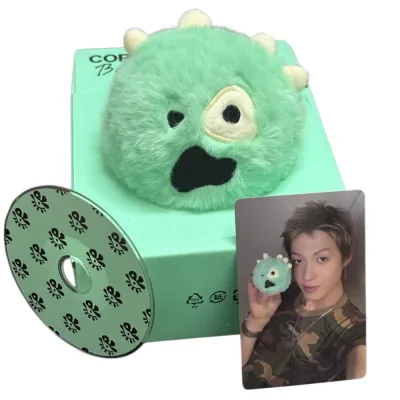
To tell if a Cortis green ball is authentic, you must systematically examine its physical construction, verify the packaging’s security features, cross-reference the item with official brand records, and evaluate the seller’s credentials. Counterfeit merchandise often fails to replicate the precise color matching, material weight, and licensing markers of official releases. By taking a methodical approach to inspection before and after purchase, you can protect your collection and ensure your funds support the official creators.
K-Pop collecting in the Philippines is a passionate pursuit, but the rise of online marketplaces has made it easier for counterfeiters to distribute replica goods. Knowing how to spot these fakes protects your hard-earned money and ensures you are genuinely supporting your favorite artists. This guide outlines the essential steps to verify your merchandise and avoid falling victim to counterfeit listings.
Why Authenticity Matters for K-Pop Collectibles
Buying official merchandise directly supports the artists, their creative output, and their management agency. When you purchase authentic items, a portion of the proceeds goes toward funding future music production, concert tours, and high-quality fan experiences. Counterfeit sales, on the other hand, divert revenue away from the creators to unauthorized third parties who exploit the fandom’s enthusiasm.
Products mentioned in this guide

![CORTIS - The 2nd EP [ GREENGREEN ] CORTIS Ball ver.](https://img.lazcdn.com/g/ff/kf/S0c1620e5ea3a470ca7edc135e3e21c21q.jpg_400x400q80.jpg_.webp)
Prices are valid at publication and may change. Please refer to the product page for the latest price.
Material safety and durability are also major concerns when dealing with replica goods. Official merchandise undergoes strict quality control and safety testing to ensure the materials used are non-toxic and stable. In tropical climates like the Philippines, high humidity and ambient heat can cause cheap plastics, low-grade dyes, and poor adhesives used in counterfeits to degrade, discolor, or emit strong chemical odors. Authentic items are manufactured with high-grade materials designed to withstand environmental factors over years of display.
Furthermore, authentic items retain or increase their value within the fan community over time. Collectors value pristine, verified items, and having the original packaging with intact security seals ensures your collection remains highly collectible. Counterfeits have zero resale value and are widely rejected by the community, making them a poor investment for any dedicated collector.
Visual and Physical Checks for the Cortis Green Ball
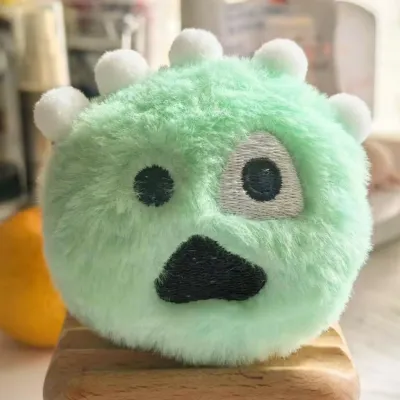
Evaluating the physical characteristics of the item is one of the most reliable ways to detect a counterfeit. Start by examining the print quality and color accuracy of the green finish. Official merchandise features a consistent, smooth, and vibrant green color without streaks, bubbles, or uneven patches. Counterfeits frequently display off-tone greens, visible print lines, or a dull matte finish where a glossy or satin texture is expected.

Next, inspect the official logos and licensing marks on the packaging box. Authentic packaging features crisp, high-resolution typography, correct spelling, and official copyright notices. Counterfeits often have blurry text, slightly altered logos, or incorrect fonts that indicate a rushed replication process. Pay close attention to the alignment of the text and the spacing between letters, as these minor details are frequently overlooked by counterfeiters.
The structural integrity and material feel of the item can also reveal its origin. When you hold the ball, it should have a solid, balanced weight and clean, seamless edges. Replicas often feel lightweight, hollow, or have rough, unfinished plastic edges along the seams. If the item rattles when gently shaken or feels fragile to the touch, it is highly likely to be a counterfeit.
Finally, look for the presence of official holographic stickers or security seals on the packaging. Many official K-Pop items feature a specialized holographic sticker that reflects light with a clean, multi-colored spectrum and displays the official licensing logo. Counterfeit stickers are often flat, poorly printed, lack the dynamic color shift under light, or are easy to peel off without leaving a pattern behind.
Verifying Details Against Official Brand Records
Before finalizing your purchase, verify the product details against official brand records and authorized distributor listings. Start by comparing the item against high-resolution photos from the official store or agency website. Note the exact placement of logos, the specific shade of green, and the packaging layout. Any discrepancy in these design elements is a strong indicator of a replica.
Check the official product description to see if the merchandise is supposed to include specific inserts, such as authenticity cards, serial numbers, or user manuals. Verify the language, edition, and content completeness of these inserts. If your package is missing these listed items, or if the serial number format does not match official examples, the item’s authenticity is highly questionable.
It is also wise to review official announcements regarding known counterfeit batches or production variations. Agencies and official distributors occasionally post notices on their social media channels or fan community boards detailing specific design variations between production runs. Keeping yourself informed of these updates prevents you from mistakenly rejecting a genuine item with a minor manufacturing variation or accepting a known fake.
Evaluating Sellers and Pricing Red Flags
Assessing the legitimacy of the purchase channel is crucial when shopping on online marketplaces. Always prioritize buying from authorized distributors, official brand stores, or highly reputable fan shops with a proven track record. Before purchasing from a third-party reseller, verify their seller tier, business registration details, and overall customer satisfaction rating.
Suspiciously low prices are a primary indicator of counterfeit goods. Compare the seller’s price in Philippine Pesos (₱) against the official retail rates. If an item is listed at ₱300 when the official retail price converts to ₱1,500, the extreme discount is a major red flag. Authentic K-Pop merchandise rarely sells far below its original retail value unless it is heavily damaged or sold secondhand by a collector who explicitly states the item’s condition.
Read customer reviews and feedback carefully, looking for specific complaints about authenticity, poor packaging, or items arriving without official seals. Be skeptical of stores with hundreds of identical, generic five-star reviews that lack actual photos of the product. Genuine buyers in the Philippines often upload detailed photos and videos of their unboxing process, which can provide valuable clues about the seller’s inventory.
What to Do If You Suspect a Counterfeit
If you receive an item and suspect it is a counterfeit, take immediate action to document the evidence. Capture clear, high-resolution photos and videos of the item, the packaging, the shipping label, and any specific defects or missing security features. This documentation is essential for proving your case during a dispute.
Initiate a return or refund dispute through the e-commerce platform immediately. Do not click “Order Received” or confirm the transaction, as this often releases the payment to the seller and makes it much harder to secure a refund. Upload your photographic evidence and clearly explain the discrepancies between the received item and the official product specifications.
Finally, report the unauthorized seller to the e-commerce platform’s customer support to help protect other fans from falling victim to the same scam. You can also contact the official brand or agency’s intellectual property department to notify them of the counterfeit distributor, contributing to the overall safety and integrity of the collecting community.
Frequently Asked Questions (FAQ)
Do all authentic Cortis green balls come with a certificate of authenticity?
No, not all authentic releases include a physical certificate of authenticity. Packaging inclusions vary depending on the specific production batch, edition, and release year. Always check the official product description from the authorized distributor to see if a certificate or serial card is a standard inclusion for that specific edition.
Can I use a third-party authentication app to verify the green ball?
Generic third-party authentication apps are generally unreliable for specialized K-Pop merchandise, as they lack access to the official manufacturer’s database. Instead, rely on official brand-specific verification apps or proprietary QR codes if the manufacturer has explicitly integrated them into the packaging design.
Community discussion
Share your experience or ask a question. Comments are reviewed before publication.