
Authenticating limited-edition K-Pop and P-Pop merchandise like the Cortis Ball requires a systematic approach to physical inspection, packaging analysis, and sourcing. Because counterfeiters continuously refine their replication techniques, relying on a single visual marker is no longer sufficient. To ensure your collectible is genuine, you must evaluate a combination of manufacturer specifications, print quality, material integrity, and seller credibility.
Understanding the Risks of Counterfeit Collectibles
High-demand special editions and exclusive merchandise drops naturally attract counterfeiters looking to capitalize on limited availability. When a highly sought-after item sells out quickly, unofficial replicas rapidly flood secondary markets to target eager collectors who missed the initial release.
Purchasing a counterfeit item carries several distinct risks beyond the immediate financial loss. Fake collectibles typically suffer from substandard material quality, which can lead to rapid deterioration, especially in humid tropical climates where cheap plastics and low-grade adhesives degrade quickly. Furthermore, these replicas lack the interactive features, official device compatibility, and long-term collector value that make genuine memorabilia worth owning.
Products mentioned in this guide
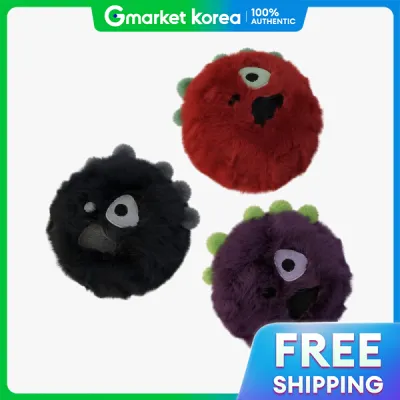
Prices are valid at publication and may change. Please refer to the product page for the latest price.
Protecting your collection requires managing expectations and exercising extreme caution when dealing with unverified sellers. While the temptation to secure a rare item quickly is strong, rushing into a transaction without verifying the seller’s credentials often leads to receiving a low-quality imitation.
Key Physical and Packaging Markers of an Official Cortis Ball
Verifying the authenticity of a limited-edition collectible involves a detailed, multi-step inspection process that covers both the outer packaging and the physical item itself. Because manufacturers adhere to strict quality control standards, even minor deviations can signal a counterfeit product.

Before beginning your evaluation, gather official promotional images, manufacturer specifications, and trusted unboxing videos from verified community sources. Having these reference materials on hand allows you to make direct, side-by-side comparisons of dimensions, colors, and layout details that might otherwise go unnoticed.
Inspecting the Packaging and Inserts
The outer packaging is often the first line of defense against counterfeit goods. Official releases feature high-resolution printing with sharp typography, accurate color reproduction, and clean alignment. Counterfeit boxes, by contrast, frequently display blurry text, pixelated graphics, or slight color shifts that indicate cheap printing equipment was used.
Examine the included documentation, inserts, and authenticity cards carefully. Official inserts are printed on premium cardstock with consistent finishes, and any serial numbers should match the manufacturer’s designated format. Check for the presence of official factory seals, security stickers, or holographic elements, ensuring they are cleanly applied without signs of tampering or peeling.
Evaluating Build Quality and Materials
The physical build quality of an official Cortis Ball reflects the manufacturer’s strict production standards. Genuine items have a distinct weight, balanced distribution, and a smooth, premium finish that feels sturdy in hand. Replicas often feel noticeably lighter, hollow, or rough to the touch due to the use of cheaper, low-density plastics.
Inspect the item closely for manufacturing defects that official quality control teams would typically reject. Look for prominent mold lines, uneven paint application, misaligned seams, or loose internal components that rattle when moved. If the collectible features electronic elements, light-up functions, or interactive capabilities, verify that these features operate smoothly and match the official product descriptions exactly.
Common Red Flags in Fake Cortis Balls
Recognizing common red flags can help you quickly filter out counterfeit listings before making a purchase. One of the most obvious signs of a fake is the presence of typographical errors, misspelled brand names, or distorted logos on either the item or its packaging. These errors occur when counterfeiters attempt to recreate official branding assets without access to the original design files.
Flimsy packaging that easily crushes or warps is another major warning sign. Official limited editions are packaged in robust, structurally sound boxes designed to protect the contents during international shipping and long-term storage. If the box feels thin, lacks structural integrity, or shows signs of moisture damage from poor storage conditions, proceed with caution.
Always check the contents of the package against the official product manifest. Counterfeit sets often omit essential accessories, user manuals, or authenticity certificates to save on production costs. If any standard component is missing from a listing advertised as complete, it is highly likely the item is not genuine.
Finally, be wary of listings with suspiciously low pricing. If a seller offers a rare, out-of-print collectible for a price that is significantly below the standard retail rate or established secondary market value in ₱, it is almost certainly a counterfeit. Genuine sellers are aware of the market value of limited-edition items and rarely sell them at a steep discount.
How to Verify Authenticity Through Official Channels
When in doubt, utilize official verification channels provided directly by the manufacturer or authorized distributors. Many brands publish detailed authenticity guides on their official websites or verified social media accounts, highlighting specific security features unique to each production run.
Some limited-edition releases include proprietary verification systems, such as unique QR codes, scratch-off security labels, or dedicated online portals. Scanning these codes should direct you to an official, secure domain hosted by the manufacturer. Always verify the URL of the landing page, as counterfeiters sometimes create lookalike websites to mimic official verification portals.
Be aware of the limitations of general third-party authentication applications. While these apps can be helpful for mainstream luxury goods, they rarely possess the specialized database or expertise required to accurately verify niche K-Pop or P-Pop limited editions. Relying on manufacturer-specific resources remains the most dependable approach.
Choosing Reliable Purchasing Channels for Limited Editions
The most effective way to avoid counterfeit merchandise is to purchase exclusively through secure, authorized channels. Prioritize official brand stores, licensed local distributors, and recognized fan club shops that have direct supply lines to the manufacturers. Buying from these sources guarantees authenticity and ensures your purchase directly supports the creators.
If you must use third-party online marketplaces to find out-of-print editions, conduct thorough research on the seller. Check their overall rating, read detailed customer feedback, and review their history of handling disputes. Look for platforms that offer robust buyer protection programs and clear, enforceable return policies that allow you to secure a refund if the item arrives and fails authenticity checks.
Avoid purchasing from unverified social media sellers or classified listings that refuse to provide transparent information. A legitimate seller will gladly provide detailed, unedited photos of the actual item, including close-ups of security seals, serial numbers, and packaging corners. If a seller uses stock photos or hesitates to share live images, it is best to walk away from the transaction.
What to Do If You Suspect You Bought a Fake
If you receive an item and suspect it is counterfeit, take immediate action to document your findings. Record a continuous, unedited unboxing video showing the package’s shipping label, the opening process, and the specific physical flaws of the item. Take clear, well-lit photographs of any blurry printing, poor seams, or missing components to build a strong case.
Contact the seller or the ecommerce platform’s customer support immediately to initiate a formal return and refund request in ₱. Present your documented evidence clearly and concisely, referencing the platform’s counterfeit policy. Additionally, report the suspicious listing and the seller’s account to the platform administrators to help prevent other collectors from falling victim to the same scheme.
Frequently Asked Questions (FAQ)
Can I rely solely on hologram stickers to verify an official Cortis Ball?
No, you cannot rely exclusively on hologram stickers for verification. While official manufacturers frequently use holographic security labels to deter counterfeiters, modern replication techniques allow unauthorized producers to mimic basic holographic patterns and reflective effects. To ensure authenticity, you must evaluate the sticker’s design sharpness alongside other critical factors, including overall print quality, material weight, and the reliability of the purchasing channel.
Are second-hand marketplaces safe for buying limited edition K-Pop merchandise?
Second-hand marketplaces carry an inherently higher risk of counterfeit items compared to authorized retail stores. While it is possible to find genuine, out-of-print collectibles from fellow fans, you must take strict precautions to protect your investment. Always request original proof of purchase, ask for high-resolution photos of the item’s security seals, and complete transactions only through platforms that offer comprehensive buyer protection and secure refund policies.
Community discussion
Share your experience or ask a question. Comments are reviewed before publication.