
Identifying genuine ENHYPEN merchandise requires a keen eye for manufacturing details, official licensing markers, and secure purchasing habits. With the massive global popularity of the group, counterfeit items have flooded online marketplaces, making it easy for fans to accidentally purchase low-quality replicas. To protect your collection and ensure your money supports the artists, you must evaluate physical characteristics like print resolution, inspect security holograms, and buy exclusively from verified distribution channels.
Knowing how to spot these differences is especially important when buying from third-party sellers or secondary markets. Official items are produced under strict quality control standards, whereas fakes are manufactured cheaply to maximize profit. By learning the specific physical and digital markers of authentic goods, you can confidently build your collection without the fear of being scammed.
Red Flags: Common Signs of Fake ENHYPEN Merch
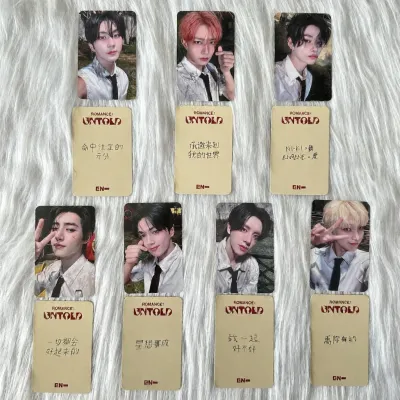
Evaluating the visual and physical quality of an item is the first line of defense against counterfeit merchandise. Official ENHYPEN photocards, posters, and albums are printed using high-definition, professional-grade equipment. Counterfeit items, by contrast, are often made using scanned images of official products, which results in a noticeable loss of detail. When inspecting a photocard, look closely at the image resolution; fake cards often appear slightly blurry, grainy, or pixelated, especially around the edges of the members’ faces or within the fine text on the back.
Products mentioned in this guide
Prices are valid at publication and may change. Please refer to the product page for the latest price.
Color accuracy and saturation are also major indicators of authenticity. Replicas frequently suffer from poor color calibration, leading to images that look overly dark, washed out, or unnaturally reddish. Additionally, the physical dimensions and cardstock quality of official photocards are highly standardized. Genuine cards have a specific thickness, rounded corners that are perfectly uniform, and a smooth, laminated finish. In the humid tropical climate of the Philippines, cheap paper replicas tend to absorb moisture rapidly, causing them to warp, bend, or peel at the edges much faster than the durable, moisture-resistant cardstock used for official releases.
For apparel and larger physical goods, pay close attention to the stitching, fabric weight, and graphic alignment. Official ENHYPEN hoodies, t-shirts, and bags feature heavy-weight fabrics, clean seams, and professionally screen-printed or embroidered graphics. Counterfeit apparel often feels thin, rough to the touch, and may have loose threads or crooked prints. Furthermore, packaging materials can reveal a lot about an item’s origin. Official merchandise is packaged in sturdy, branded boxes or thick protective sleeves, whereas fakes are often shipped in flimsy, generic plastic bags with misspelled English or Korean words on the labels.
Step-by-Step Verification for Official ENHYPEN Merch
To confirm whether your ENHYPEN merchandise is genuine, you can perform a systematic physical inspection starting with official security seals. Most official K-pop releases, including albums and specialized merchandise, feature a holographic sticker issued by the Korea Music Copyright Association (KOMCA) or the official distributor. For ENHYPEN albums, look for the distinct KOMCA sticker on the back cover. When you tilt the sticker under a direct light source, it should display a clear, shifting holographic pattern and change colors smoothly. Counterfeit stickers are often flat, poorly printed, or lack the detailed security patterns found on genuine seals.

Next, examine the branding elements, copyright notices, and licensing information printed on the packaging. Authentic ENHYPEN products will always feature clean, crisp typography detailing the copyright ownership of BELIFT LAB and HYBE, alongside official distributor logos. Carefully read these text blocks for any misaligned letters, font inconsistencies, or factual errors. If the copyright text is entirely missing, blurry, or lists an unrelated company, the item is almost certainly a counterfeit.
Finally, verify any digital tracking elements, batch codes, or QR codes included with the product. Many official ENHYPEN items, particularly albums and official light sticks, contain a QR code card that can be scanned to redeem points or verify the product on official fan platforms like Weverse. Carefully scratch off the protective coating to reveal the code and scan it using your mobile device. If the platform indicates that the code has already been redeemed, or if the link leads to an unofficial or broken website, the product is not authentic. Note, however, that not all official merchandise lines feature digital tracking, so this step should be combined with physical inspections.
Trusted Channels for Buying Authentic ENHYPEN Merch
The most reliable way to avoid counterfeit ENHYPEN merchandise is to purchase directly from authorized retailers and official stores. The primary source for all official goods is the Weverse Shop, the official e-commerce platform for HYBE artists. Buying directly from this platform guarantees authenticity, though shipping fees to the Philippines can sometimes be high. To mitigate shipping costs, many local fans opt for authorized K-pop merchandise platforms or established physical music stores in major shopping malls that import directly from South Korean distributors.
Before finalizing any purchase, always verify the specific edition, language, regional restrictions, and content completeness of the album or DVD, rather than relying solely on the cover art. If you choose to shop on third-party online marketplaces or local e-commerce platforms, you must carefully evaluate individual sellers. Avoid listings that rely solely on stock photos or official promotional images; reputable sellers will gladly provide actual, high-resolution photos of the physical product upon request. Look for stores that have earned verified seller badges or official mall status on these platforms, as these designations require merchants to prove the authenticity of their inventory.
Before completing any transaction, take the time to analyze the store’s credentials, customer feedback, and return policies. Read through the product reviews, paying close attention to photos and videos uploaded by previous buyers in the Philippines. Look for consistent praise regarding packaging quality and product authenticity. Be highly skeptical of listings offering rare photocards, out-of-print albums, or official light sticks at suspiciously low prices, such as ₱300 for an item that typically retails for over ₱2,000. If a deal seems too good to be true, it is highly likely a counterfeit.
What to Do If You Receive Counterfeit ENHYPEN Merch
If you suspect that you have received a fake ENHYPEN product, taking immediate and documented action is crucial for securing a refund. The moment your package arrives, record a continuous, unedited unboxing video. Start the video by showing all sides of the sealed shipping box, making sure the tracking label and seller details are clearly visible. Keep the camera focused on the package as you open it and inspect the merchandise. This unedited footage serves as vital, undeniable evidence of the item’s condition upon arrival and is widely required by e-commerce platforms to resolve disputes.
Once you identify physical flaws, missing security stickers, or poor print quality, file a formal dispute or refund request through the e-commerce platform’s buyer protection system. Upload your unboxing video along with clear, well-lit photos comparing the counterfeit details against known official standards. Do not click the button to confirm receipt of the order or complete the transaction, as doing so may release the funds to the seller and make it much harder to obtain a refund.
If the seller is uncooperative, refuses to communicate, or rejects your refund claim, escalate the issue directly to the platform’s customer support team for mediation. For persistent issues with fraudulent local merchants who refuse to comply with platform policies, you can file a formal complaint with consumer protection agencies in the Philippines, such as the Department of Trade and Industry (DTI). Reporting these unauthorized sellers not only helps you recover your money but also protects the wider local fan community from future scams.
Frequently Asked Questions (FAQ)
Are unofficial fan-made goods considered fake ENHYPEN merch?
No, there is a distinct difference between unofficial fan-made goods and counterfeit merchandise. Fan-made items, often referred to as fan art, fan-made photocards, or freebies, are created by independent artists and fans for creative expression, community events, or cup sleeve gatherings. These items are not sold under the pretense of being official BELIFT LAB products and do not attempt to replicate official packaging or security seals. Counterfeits, however, are unauthorized replicas specifically designed to deceive buyers into believing they are purchasing genuine, official merchandise. Collecting fan-made goods is a widely accepted and celebrated part of K-pop culture, provided the sellers are transparent about the unofficial nature of their products.
Can I trust a seller if they provide a receipt for ENHYPEN merch?
No, you should not rely solely on a receipt as proof of authenticity when buying from third-party sellers. Digital and physical receipts can easily be forged, digitally altered, or reused from a previous authentic purchase to cover up the sale of counterfeit items. Some dishonest sellers may buy one genuine item to obtain a real receipt, and then use copies of that same receipt to sell dozens of fake replicas to unsuspecting buyers. Instead of trusting a piece of paper or a screenshot, you must physically verify the merchandise by checking the print quality, inspecting the holographic security stickers, and evaluating the seller’s overall reputation and return policies.
Community discussion
Share your experience or ask a question. Comments are reviewed before publication.